
Problem definition: why OEE stalls in small rubber shops
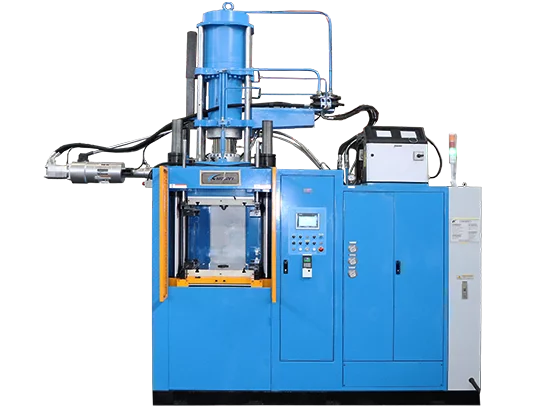
Custom rubber shops often aim for quick changeover and tight tolerances, yet many report OEE stuck well below targets. Causes are predictable: long setup times, inconsistent cure cycles, frequent mold swaps, and bottlenecks at downstream finishing. Measured against a world-class benchmark of >85% OEE, many niche shops—especially automotive tier suppliers around Detroit—operate at 60–75%. The immediate lever is machine selection and cell layout; for tasks such as insert molding or low-run part families, a vertical rubber injection molding machine can shorten cycle time and reduce clamp-footprint conflicts.
Diagnose with focused metrics
Start with three hard metrics: availability (run time vs scheduled time), performance (cycle time vs ideal cycle), and quality (parts within spec). Track downtime reasons and average mold-change duration. Include shot-size and clamp force as part of the performance baseline—those parameters reveal whether the machine is undersized or over-specified. Use simple logs for 30 days and rank the top five loss events; that list becomes the implementation priority.
Strategy: horizontal versus vertical — choose based on process, not trends
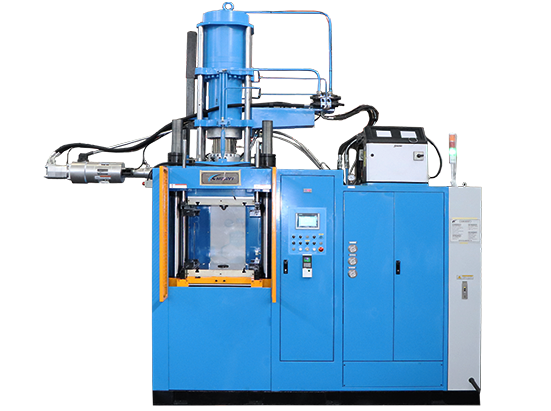
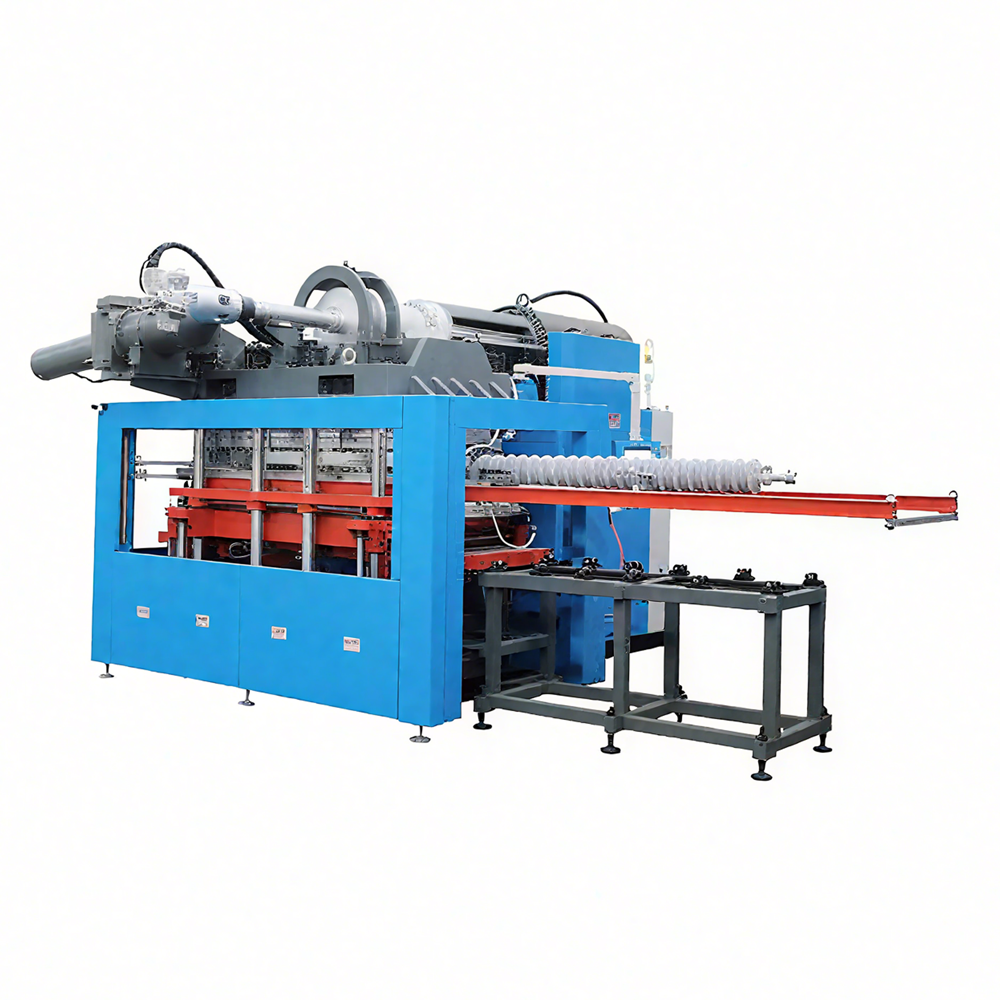
Horizontal injection molding machines excel for high-cavity molds and integrated automation that feeds multi-cavity tooling. They support shorter cycle times when conveyor or robotic extraction is central. Vertical machines, by contrast, simplify insert placement, reduce mold sag and footprint, and make mold access faster—this is why shops with a high mix of inserts or secondary operations often buy vertical units from established vertical injection molding machine manufacturers. Select machinery to match the dominant constraint: if mold-change and insert handling are the bottleneck, prioritize vertical cells; if throughput per cycle dominates, lean horizontal.
Implementation steps that actually move OEE
Sequence the work. First, balance the line: pair extrusion dies and vulcanization steps ahead of molding so feedstock arrives at a steady rate. Second, standardize fixtures and quick-change mold plates to cut setup time. Third, pilot one cell with clear KPIs and operator training before scaling. Use predictive maintenance on hydraulics and heaters to prevent unplanned downtime. Start small—run a two-week pilot, collect cycle time and reject rate, then refine.
Common mistakes and how to avoid them
Shop owners often overspec machinery for future capacity, leading to high capital costs and poor utilization. Others automate without removing non-value work first. Avoid these traps: right-size clamp force to the mold cavity count; prioritize cycle-time reduction through mold cooling optimization before adding robots; train operators on preventive checks rather than relying solely on alarms. A pragmatic retrofit—better mold cooling channels and a control upgrade—can yield immediate gains without a full rebuild.
Vendor selection and contracting tips
When comparing suppliers, request performance evidence on parts comparable in material and cavity count. Verify local support and spare parts availability—lead time on a heater band can become a week-long outage if not planned. Negotiate factory acceptance testing with your tooling installed; validated cycle-time and shot consistency matter more than horsepower or marketing claims. Also factor in after-sales analytics capability; a machine that exports cycle and downtime logs simplifies root-cause work.
Advisory: three golden rules to evaluate moves and measure success
1) Prioritize the bottleneck: invest where cycle time loss is highest, not where marketing is flashiest. 2) Measure before and after with the same metrics—availability, performance, quality—and aim for incremental 5–10% OEE gains per iteration. 3) Match machine architecture to the dominant operation—insert-heavy lines favor vertical cells; high-cavity throughput favors horizontal setups. These rules preserve capital and accelerate measurable improvement.
Final thought—small, disciplined changes compound. For coherent, practical machinery and cell solutions that meet these rules, consider the experience and product alignment at HWAYI. –