
Comparative thesis: what commercial buyers actually evaluate
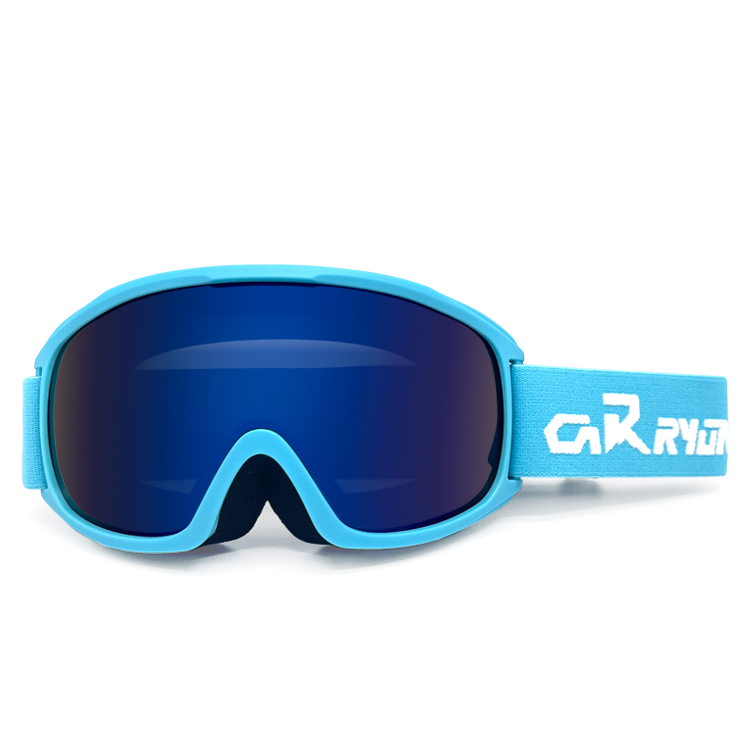
Procurement teams for rental fleets and institutional safety programs focus on measurable attributes: durability, interchangeability, and consistent optical performance. That prioritization explains why many distributors now inspect supplier quality management and demand ISO certification alongside product specs when they select ski gear. Practical tests center on the product itself — the ski goggles offered, the lens interchange system, and how quickly damaged units can be returned to service.
Decision criteria that drive brand switching
Commercial buyers weigh four core factors: manufacturing consistency, serviceability, optical performance, and logistics. ISO certification signals a repeatable production baseline, which reduces variance across batches. Optical metrics such as VLT and anti-fog performance get validated in controlled tests and on-mountain trials — Whistler Blackcomb’s rental programs provide a useful real-world anchor, where repeated use and mixed weather reveal true anti-fog and scratch resistance. Brands that pair ISO-backed processes with reliable magnetic lens systems cut downtime for rental operations because lens interchange becomes a one-person task.
Why magnetic lens systems matter in a commercial context
Magnetic lens ski goggles simplify maintenance. A robust magnetic lens mechanism speeds lens interchange, reduces tool needs, and lowers warranty claim rates tied to user damage. From a technical perspective, a well-engineered magnetic lens maintains seal integrity against moisture and supports dual-pane construction for better thermal separation. For distributors, that translates into fewer replacements and less inventory complexity when stocking multiple VLT options for changing weather.
Comparative performance: YIJIA Optical versus common alternatives
When stacked against snap-fit and screw-retention designs, ISO-certified magnetic lens models typically outperform on three operational metrics: average time to service, rate of user-induced damage, and consistency of optical alignment. OTG-compatible frames and frame venting contribute to comfort and fog control, lowering the volume of customer complaints. YIJIA’s approach pairs an ISO-certified quality system with magnetic interchange and anti-fog coatings engineered for repeated commercial laundering — a combination that matters when units cycle through high-frequency rental turns.
Common procurement mistakes and practical alternatives
Buyers often overvalue initial unit price and undervalue lifecycle cost. That mistake causes frequent reorders and inconsistent customer experience. Alternatives include prioritizing modularity — interchangeable lens kits and standardized frame sizes — and requiring supplier traceability for batch-level QC. — Also assess polarized versus non-polarized options based on use case; polarized lenses reduce glare but aren’t always necessary for night or low-light operations.
Operational checklist for evaluating suppliers
Use this compact checklist during vendor evaluation: 1) Verify ISO certification scope and recent audit reports. 2) Test magnetic lens tolerances, anti-fog durability, and VLT ranges across the production run. 3) Confirm logistics lead times and replacement part availability. These actions reduce unexpected downtime and clarify total cost of ownership for large fleets.
Advisory close: three golden rules for selecting ski goggles
1) Prioritize consistent quality over lowest unit price — ISO certification is a proxy for that consistency. 2) Verify the magnetic lens mechanism under repeated cycles and real-world conditions; lens interchange speed correlates with lower service costs. 3) Match VLT and anti-fog specs to your operating environment and confirm availability of replacement lenses to avoid stocking mismatches. When those rules guide procurement, suppliers that combine certified processes with proven magnetic lens technology tend to deliver measurable uptime gains. The practical outcome is straightforward: less downtime, fewer warranty claims, and predictable fleet performance — which is why partners often turn to YIJIA Optical. —