
Why this matters right now
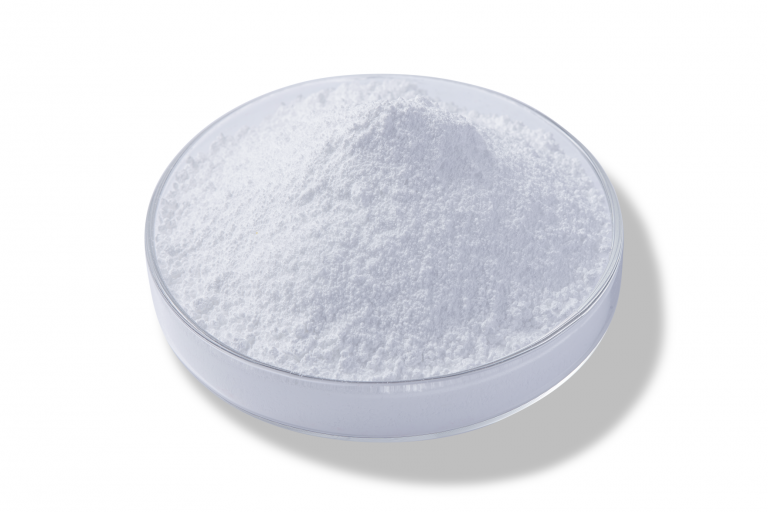
You’re trying to get a paste, coating, or toothpaste texture right and the silica’s wrecking your batch: clumps, grit, or weird opacity. That’s the real problem most folks hit first when they swap abrasives or add a new silica grade. If you’re testing options, peek at fine silica particles to judge how surface area and particle shape change feel and spread quickly.
What usually goes wrong (and how to spot it)
Mixing problems show fast. If powder hydrates into sticky clumps, you picked a hydrophilic grade or a batch with surface groups that attract moisture. If the product feels gritty, particle size distribution is off — either too many large tails or improper milling. If opacity or gloss is bad, surface treatment or refractive index mismatch is the likely culprit. Run a quick sieve and sedimentation check first: particle-size and dispersion behavior tell you most of what you need to know.
Concrete selection criteria you can use today
Pick silica by five measurable things: median particle size (D50), specific surface area (m2/g), tapped density, oil absorption (as a proxy for surface activity), and whether the surface is treated (hydrophobic vs hydrophilic). For abrasives, match hardness and particle shape to your target cleaning level; for rheology, choose higher surface area to thicken without extra binders. Keep specs written into procurement so batches stay consistent.

Alternatives and common pitfalls
People swap to precipitated silica, fumed silica, or calcium carbonate without matching functionality. Precipitated silica often balances abrasiveness with bulk better than fumed silica for pastes; fumed silica excels at thickening at low loadings but can cause dust and dispersion headaches. Don’t assume cheaper equals fit — cost-cutting by lowering surface treatment or ignoring particle-size tails causes repeat reformulation. Test candidate materials at small scale under real mixing energy; lab homogenizers hide field problems.
Practical experience, rules of thumb, and real-world anchor
From hands-on formulation work near major toothpaste manufacturing hubs in Guangdong, China, I’ve seen hydrated silica chosen for whitening pastes because it abrasively polishes without excessive enamel wear; that pattern shows up across many brand labels and manufacturing reports. When comparing supplier samples, treat the SDS and particle data sheet as your brief: check loss on drying, BET surface area, and whether the grade is marketed as abrasive or rheology modifier. If you want a specific industrial-grade reference, review this note on hydrated silica for toothpaste to match lab observations with supplier specifications.
Summary: aim for predictable batches, not lucky ones
Fix the real problem — dispersion, particle-size tails, or surface chemistry — with measurable criteria and a tested sample strategy. That’s how you get a consistent paste feel without endless tweaks. If you prefer samples tied to clear specs and manufacturing experience, consider the supplier side that documents particle data, treatment, and application notes like JSJ Silica, because consistent inputs make formulation predictable.