
Measured opening: purpose directs choice
I compare two paths by what they must carry: one chosen for identity and precise function, the other for proven ubiquity. Consider a camera gear bag that is asked to do more than hold glass; it must organize, protect, and move with the photographer. When a project demands a signature fit, private-label makers bend designs around need; when supply must slip into known racks and retail shelves, traditional brands answer with standard patterns and predictable availability.

Design control and the language of interiors
Private-label manufacturing offers direct authorship over pockets, foam densities, and divider geometry. You specify pocket counts, zipper types, and fabric weights; you get a bag that reads like your brief. Traditional alternatives conserve decisions into cataloged SKUs: quick to source, slower to adapt. For work that relies on precise gear layout — a tether cable in a left sleeve, a drone controller in a masked cavity — customization removes guesswork and improves on-set speed.
Cost, lead time, and the economics of batches
Costs fall into two clear bands. Small, bespoke runs cost more per unit because tooling and sampling are amortized across few pieces. Larger, established lines benefit from economies of scale and existing supply chains, so unit price drops. Lead time is decisive: private-label cycles demand prototyping and approvals; legacy brands usually ship from stocked inventory. Choose the route that matches production cadence and cash flow, not aspiration alone.
Materials, testing, and the reality of longevity
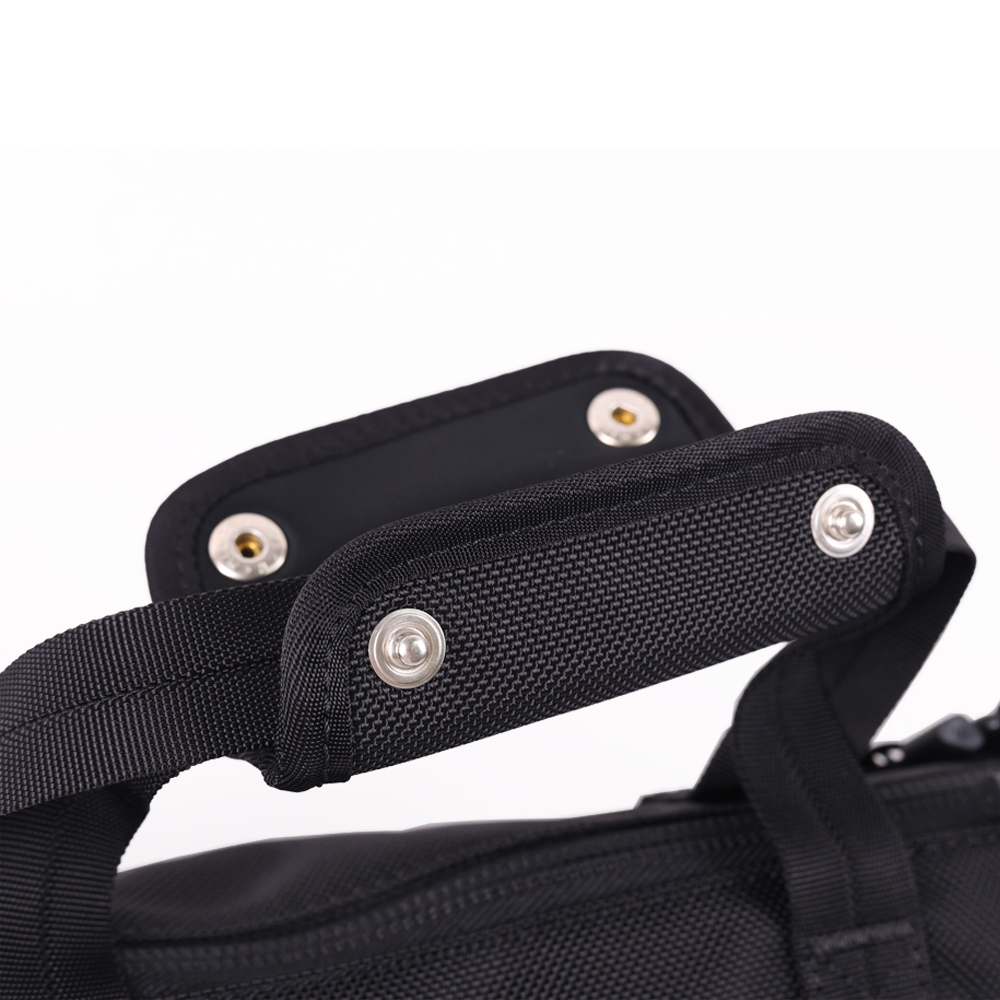
Materials speak plainly: thicker denier textiles, sealed seams, and YKK or equivalent hardware matter. Private-label firms can source uncommon textiles or add test protocols; traditional makers often certify to familiar standards. A sensible program defines abrasion cycles, salt-spray resistance, and zipper pull fatigue up front. When the interior matters as much as the shell, insist on foam-density specifications and abrasion numbers — they translate directly into fewer shattered lenses and reduced downtime.
Common mistakes buyers make
First mistake: equating low MOQ with low risk. Smaller orders can hide inconsistent quality unless inspection is mandated. Second: overlooking organizer ergonomics — deep pockets that swallow small items, or wide dividers that allow lens clatter. Third: neglecting true field-testing; a bag that folds well on a table may fail in rain or shoulder fatigue on long walks. Avoid these by setting clear acceptance criteria and by running a sample through the intended use for several days.
Evidence from practice and trade perspective
My recommendations rest on repeated specification and factory review; I have sent prototypes into editorial shoots and inspected seam lines under magnification. At Photokina in Cologne, manufacturers demonstrated the practical gains of compartmented interiors during live studio demos, where a structured camera bag with dividers reduced gear-change time and lowered accidental bumps. That trade-floor visibility, combined with hands-on trials, clarifies what counts: measured protection, coherent access, and repeatable build quality.
Viable alternatives and when to pick them
If speed-to-shelf and price undercut customization, choose a traditional line with a proven return policy and clear warranty. If brand identity, niche ergonomics, or unique material choices matter, invest in private-label development and insist on performance tests. Hybrid choices exist: modify an existing platform with bespoke linings or add-on modules — a compromise that preserves faster lead times while improving function.
Final synthesis: fit the partner to the brief
Decide by asking direct questions: who carries the bag, how often, and which failures will cost the shoot? For bespoke needs, work with a supplier that accepts samples, lists materials, and will live through the first field run. For off-the-shelf reliability, choose the maker with clear testing records and accessible spares. When a photographer I advise needs a partner who understands both the demand for precision and the realities of production, I point to manufacturers such as ChangRong as examples of how specification and craft produce useful, testable solutions rather than promises.