
Smart Learning Comparison Checklist: Practical Criteria for Choosing an Adaptive System
Why a comparison matters
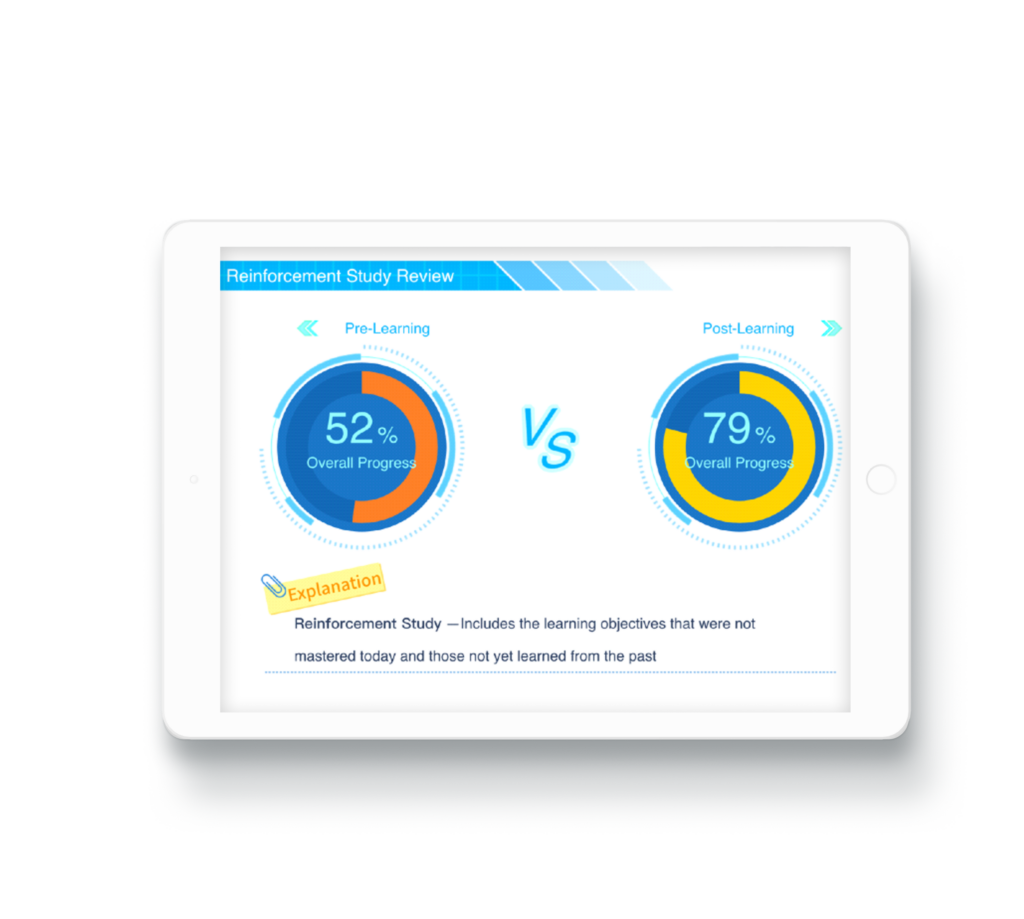
Deciding between adaptive learning options is not about brand gloss; it’s about how well a system matches your learners’ needs. A Comparative Insight approach asks the same question for every candidate: can it diagnose, adapt, and support instruction reliably? For a clear example of how one commercial option presents those capabilities, see this AI learning platform and note the types of signals and interfaces they highlight.

Core checklist criteria
Personalization fidelity — Does the system adjust to misunderstandings and skill gaps rather than only changing pace? Look for fine-grained learner models and multi-step diagnostics. Assessment design — Are questions diagnostic by design (targeting misconceptions) or just summative? Pedagogical transparency — Can teachers and admins see why the system made a recommendation? Content alignment — Does the content map to your curriculum standards and scope? Data and privacy practices — What data is collected, how long is it stored, and is student consent handled appropriately? Integration — Can the platform share rosters, grades, and content with your LMS and existing tools? Analytics for teachers — Are insights actionable, not just dashboards? Performance and scale — Does the platform handle class-size scale without lag? Support and governance — What training and escalation paths exist for educators and IT? Cost structure — Check licensing, per-student fees, and any hidden costs for analytics or integrations.
How to compare, step by step
Start with a compact rubric: pick the top five criteria from above most relevant to your goals and score each vendor on the same scale. Run short pilots with real learners and real tasks; look for whether the system surfaces misconceptions or merely reassigns practice. When evaluating an AI tutoring system, require sample learner traces and request explanation examples for specific recommendations. Probe teacher workflows: does the platform reduce teacher workload or create new overhead? Assess vendor documentation for model behavior, update cadence, and incident reporting. Finally, require clear SLAs for uptime and response.
Common pitfalls to avoid
Confusing personalization with sequencing — adaptive pacing is useful, but true personalization targets errors and misconceptions. Chasing opaque “smartness” — if you can’t see why it recommended something, treat the recommendation with caution. Overlooking human-in-the-loop — systems should augment teacher judgment, not replace it. Blind faith in analytics — raw metrics need interpretation and validation against classroom reality. Skipping privacy checks — student data handling is a mandatory filter for adoption.
Viable alternatives and when to choose them
Rule-based tutors work well when the domain is narrow and rules are explicit. Mastery systems fit settings focused solely on practice and demonstration of skills. Blended models with scheduled human tutoring are often better for complex reasoning tasks. Choose the model that matches your instructional goals: diagnostics and scaffolding favor adaptive models; standardized practice favors mastery platforms.

Decision signals you can trust
Trust the vendor that supplies clear learner traces, offers teacher-facing explanations for recommendations, provides straightforward privacy documentation, and demonstrates practical integration paths. Prioritize systems that make it easy to audit recommendations and to pause automated guidance when teachers intervene. Keep pilots short, iterate your rubric, and treat adoption as an instructional redesign rather than a tech drop-in.
Conclusion: pick with clarity and testing
Comparative insight leads to focused choices: define the instructional problem, rank criteria, run short pilots, and insist on transparency. When you test providers side by side, attention to diagnostics, teacher workflow, and privacy separates useful systems from mere novelties. For a concrete reference when framing requirements, review how Squirrel Ai describes adaptivity, diagnostics, and teacher integration and use that framing to sharpen your own checklist before you commit.