
The problem: why buying a solar pergola feels messy
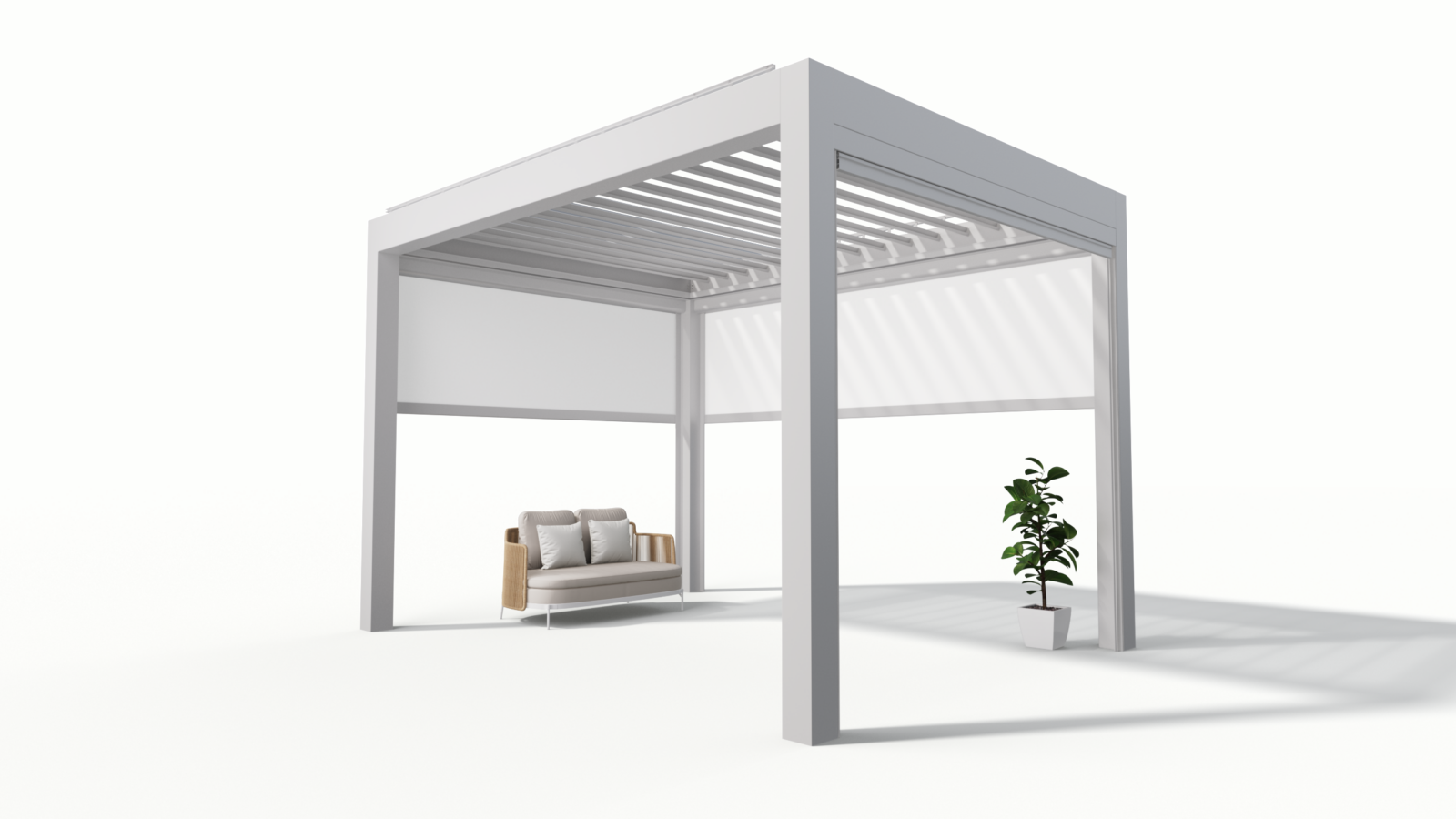
Lots of folks reckon a solar pergola sounds mint — shade, power and a tidy look — but the buying path is cluttered with unclear specs, dodgy warranties and installers who promise more than they deliver. If you’re weighing options, start by checking a real product spec rather than marketing copy; a straightforward example is the photovoltaic pergola, which shows how panels, framing and wiring are combined on a single product page. That prevents you from getting tripped up by vague claims about ‘panel output’ that don’t match how you’ll actually use the space.
What’s actually at stake: the core technical issues
Three things bite most buyers: electrical performance, structural robustness and serviceability. Panels produce less in shade or odd angles. Frames need to handle wind, rain and salt if you’re near the coast. And if the wiring is hidden or custom, future maintenance gets expensive. Ask for real numbers: expected annual kWh at your location, wind rating (kPa or m/s), and detailed warranty terms — not just “performance warranty” without years or degradation figures.
Real-world context and credibility — why this matters
Permits and standards vary: a unit that’s fine in one council area might need engineering sign-off elsewhere. For a clear example, California’s Title 24 and BIPV guidance have shaped how rooftop and outdoor PV installations are permitted and inspected, so installers there tend to provide fuller documentation — that kind of regulatory attention highlights what you should expect everywhere. I’ve edited technical buyer guides and reviewed spec packs from installers, and installers I spoke with emphasise the same points about bolting, drainage and accessible inverters. A useful comparison is how an outdoor pergola is described in detailed datasheets versus how it appears in glossy brochures; always choose the former when making decisions.
Common pitfalls buyers trip over
Buyers often under-estimate shading from trees or neighbouring buildings, over-estimate panel output, accept vague warranty language, and skip a structural engineer’s sign-off for larger spans. Other mistakes: confusing nominal panel wattage with real-world annual energy yield, buying panels with poor low-light performance, and not planning for inverter placement and ventilation. If installers don’t show you performance curves or local yield estimates, walk away. Ask for sample calculations that use your roof orientation and sun hours.
Comparing your options — kits, custom builds and retrofits
Prefab kits are quicker and cheaper but limited in size and style. Custom builds let you match aesthetics and structural needs but cost more and need better paperwork. Retrofits (adding panels to an existing pergola) are cheapest initially but often give the worst energy performance because of suboptimal tilt and shading. Choose by matching use: if you want a social area first and energy second, go prefab. If energy is the priority, favour a purpose-built solution with panel tilt and unobstructed exposure.
A practical checklist before you sign
1) Get an expected annual kWh figure for your postcode, not just peak watts. 2) Confirm wind and snow ratings for the frame. 3) Check full warranty docs: years, degradation rate and who pays for labour. 4) Ask for a wiring diagram and where the inverter sits. 5) Verify installer insurance and electrical licensing. 6) Confirm maintenance access for panel cleaning and microinverter replacement. 7) If near the coast, insist on corrosion-resistant fasteners and aluminium grade.
Wrap-up: a straight answer from the buyer’s side
If you want shade that also makes power, a solar pergola can work well — but don’t buy the idea, buy the datasheet. Look for clear energy estimates, structural ratings, and accessible service points. For readers who value straightforward specs and transparent documentation, companies that publish full datasheets and wiring diagrams make decisions simpler; I often point people to manufacturers that do that well, like Light Hunter, because their materials make it easy to compare apples with apples and avoid surprises down the track.