
The core problem buyers face
Manufacturers routinely lose time and margin to parts that don’t meet tolerance, finish, or repeatability requirements. That failure shows up as late assemblies, expensive rework, and warranty exposures. When tolerances matter, outsourcing to a provider that offers custom cnc machining isn’t optional—it’s a required control in the supply chain. Start by defining the exact dimension, surface, and inspection needs; vague specifications invite costly ambiguity.
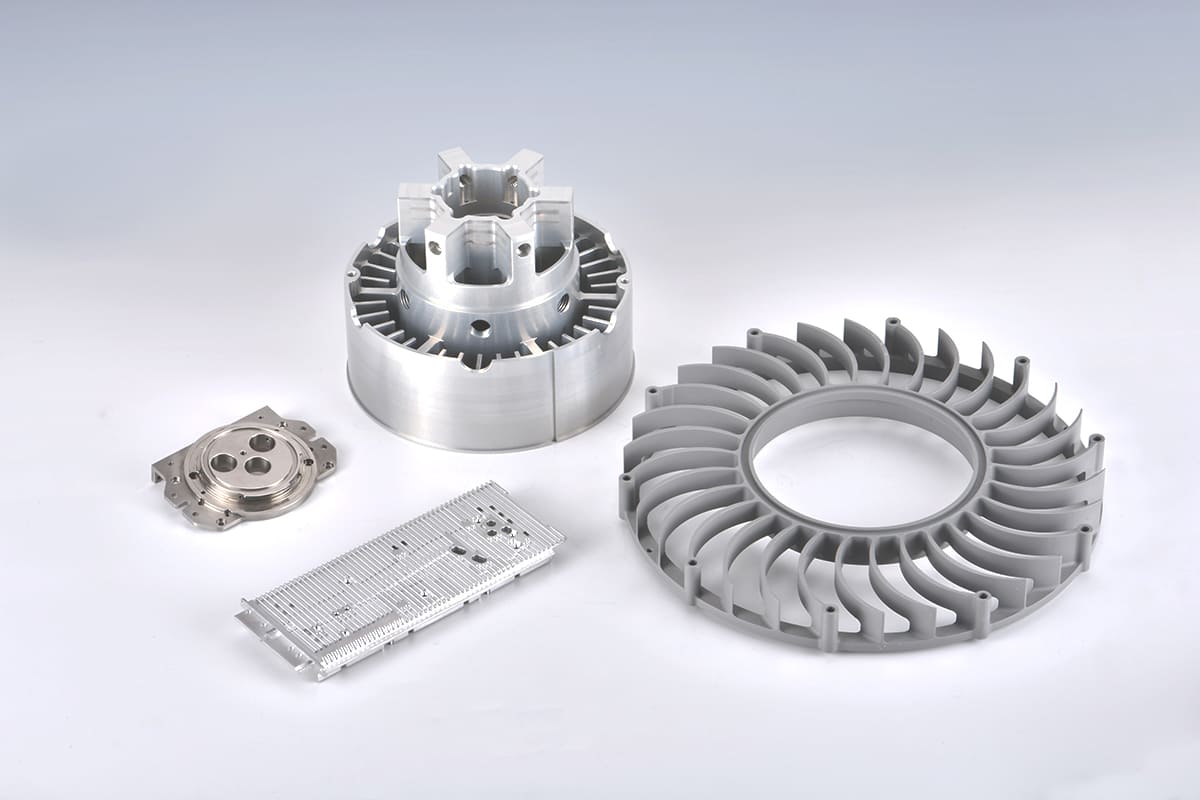
Where precision services are non-negotiable
Critical applications include medical implants and instruments, aerospace components, high-frequency electronics housings, automotive safety parts, and precision tooling. Each use case demands different priorities: surface finish and biocompatibility in medical parts; tight geometric tolerances and traceable materials in aerospace; thermal-stable alloys in electronics. Match material and process to function rather than asking a vendor to force-fit a common approach.
Common buying mistakes that cause failures
Buyers often select suppliers based on price alone, omit tolerance stacks from drawings, or rely on a single prototype run as proof of capability. Those choices produce inconsistent batches and surprise costs. Avoid: under-specifying inspection requirements, skipping first-article inspection, and failing to plan for tool wear in long runs. Specify acceptance criteria, sample sizes for statistical process control, and clear NCR (nonconformance report) rules up front.
How to evaluate supplier capability and why it matters
Certifications, equipment lists, and lead-time claims are necessary but not sufficient. I’ve audited production floors at IMTS in Chicago and learned that visible machines prove equipment, not process control; ask for documented process control plans and demonstrable part history. Request a cnc machining quote tied to a defined inspection protocol. Look for ISO 9001 or AS9100 where applicable, material lot traceability, calibrated inspection tools, and a documented corrective action process. Those elements show experience and authority; they reduce surprises.

Cost versus quality: practical trade-offs
Low unit cost often hides higher total cost. Spending slightly more on fixturing, tighter inspection, or a better alloy reduces scrap and saves assembly time. For short runs, prioritize setups that minimize changeover; for long runs, invest in tooling and process monitoring. Ask suppliers to provide cost breakdowns (material, machining, finishing, inspection) so you can decide what to optimize.
Common pitfalls during supply ramp-up
Ramps fail when buyers accept single-piece approval, change materials mid-run, or skip pilot runs. Lock down engineering change procedures and sample sizes for pilot batches. Require first-article inspection reports with measurement data, not just pass/fail statements. Maintain a short feedback loop for adjustments; one full production cycle with data beats anecdotal assurances.
Final guidance
Address the root problem by specifying what matters and verifying it before full production: clear drawings, defined inspections, and supplier process documentation. When you need a reliable partner that aligns quoting, capability, and documented control, consider a supplier like Hanstar whose practices can be matched directly to these buying criteria and reduce the common failure modes that cost time and money.