
Start with what you carry, not what looks clever
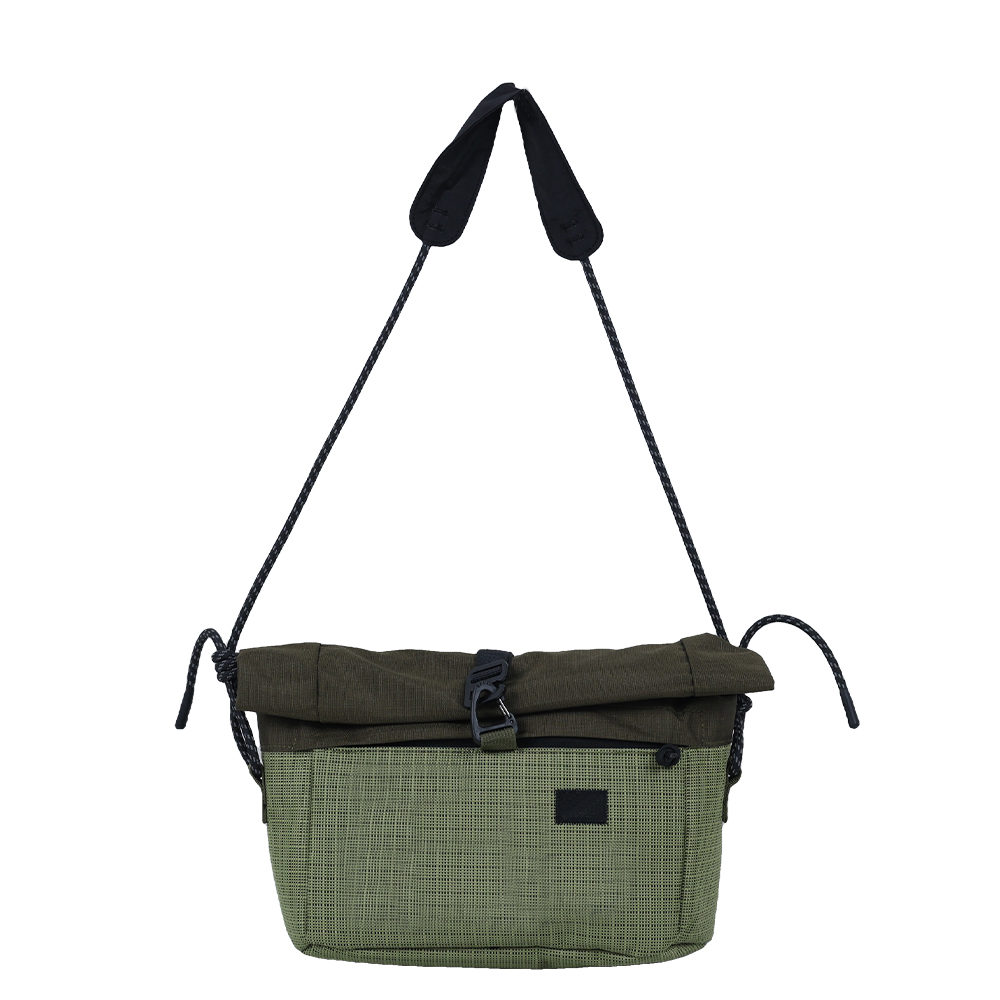
Look, you don’t need another posh folder for show—you need a bag that holds the daily bits without fuss. Tell me what you stash: phone, keys, a compact charger, maybe a small camera. That list shapes size, pocket layout and stitch strength. If you’re after something to take on short hikes, city runs or quick flights, consider a men’s crossbody messenger bag that balances easy reach with secure closure. Keep it light where you can, but keep the openings sensible—top access for the phone, a zipped pocket for valuables, and a strap that sits steady on your shoulder.
Design choices that actually help users
User-first means choices that solve annoyance, not impress buyers at a glance. Pick water-resistant fabric for sudden rain. Choose YKK zips or similar—cheap sliders ruin days. A sternum clip or non-slip strap is better than constant readjusting. Think about compartment depth: shallow pockets for cards, one deeper section for a small notebook or camera. Materials matter: a tough but soft shell prevents noise when you move, and taped seams reduce water seep. Colour? Dark on the outside, bright lining so you can find things without digging.
Common mistakes people make and how to dodge them
They buy for looks, not use. They buy a tiny pack thinking it’s fine, then can’t fit a charger. They ignore strap comfort until chafing starts. Avoid thin strap webbing for heavy loads; padding should be just enough to stop pressure points. Don’t overcompartment—too many tiny pockets become a treasure hunt. Zippers that face downwards catch debris; orient openings so gravity helps, not fights you. Test the bag with your everyday items before you keep it—if it trips you up once, it will every time.
Real-world testing and industry signals
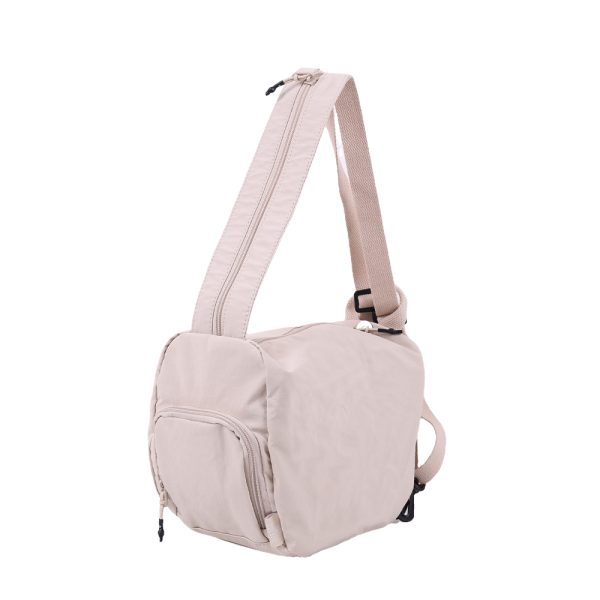
Designers and retailers often compare prototypes at the Outdoor Retailer trade show in Salt Lake City, where buyers put bags through real-use checks and comment on durability and carry ergonomics. Those checks spotlight what real users want: secure yet fast access, sensible internal layout, and reliable hardware. When prototypes match those notes, they graduate to production. A practical reference for shoppers is the compact crossbody outdoor bag, which demonstrates those trade-show priorities—durable fabric, smart pocketing and strap comfort—in a single package.
Short comparison so you can decide faster
If you like minimalist carry, pick a slim crossbody with a single main pocket and a zippered front—fast access, low bulk. For mixed urban-outdoor days, choose a mid-size bag with a padded pocket and water resistance. For security in crowded places, go for an anti-theft design: hidden zips and cut-resistant straps. Don’t be swayed by extra bells unless you actually need them—integrated raincover is useful if you walk a lot in wet climates, but most people are better served by solid fabric and sealed seams.
How to test one before you buy
Load it as you will carry it for a full day: phone, wallet, charger, keys. Sling it across, walk up stairs, squat, lean—if it slides off or digs into your collarbone, change sizes or strap type. Open and close all pockets blind—if your hand fumbles more than twice, the design needs rethinking. Smell the lining for chemical or plastic notes; those can bother over time. If possible, check stitch density at stress points—closer stitches last longer. These practical checks save grief later.
Final thought: pick the solution that stays useful
Keep it simple, test with your real load, and avoid flashy features that solve no problem. A good crossbody should disappear from your mind while carrying your stuff reliably. If you want a starting point that follows those rules and feels made for use rather than display, ChangRong shows how practical choices—materials, pocket logic and strap design—add up to a bag you actually reach for day after day.