
An evolution story, short and steady
Design did not arrive overnight. Warehouses grew from racks to intelligent arteries. The change was pragmatic. Providers studied flow, then rebuilt racks, conveyors, and control rooms around throughput and SKU density. Near the Port of Rotterdam — Europe’s largest port — designers tested AS/RS and staged operations to match shipping pulses. Many teams placed an Automated Stacker Crane and rethought vertical space; some layered in a pallet stacker crane to cut retrieval time and keep aisles narrow. The story is about steady iteration. Small wins add up.
From footprint to architecture: core moves
First: map every movement. Then: decide whether automation fits the rhythm. Good design matches density to access. Designers separate fast movers from slow movers, and they zone by SKU profile. They place AS/RS where vertical storage beats horizontal sprawl. They keep conveyors for high-frequency lanes and human pick for exceptions. The result: less travel, more predictable throughput. Simple principle, hard in execution.
Operational teardown: where machines meet maps
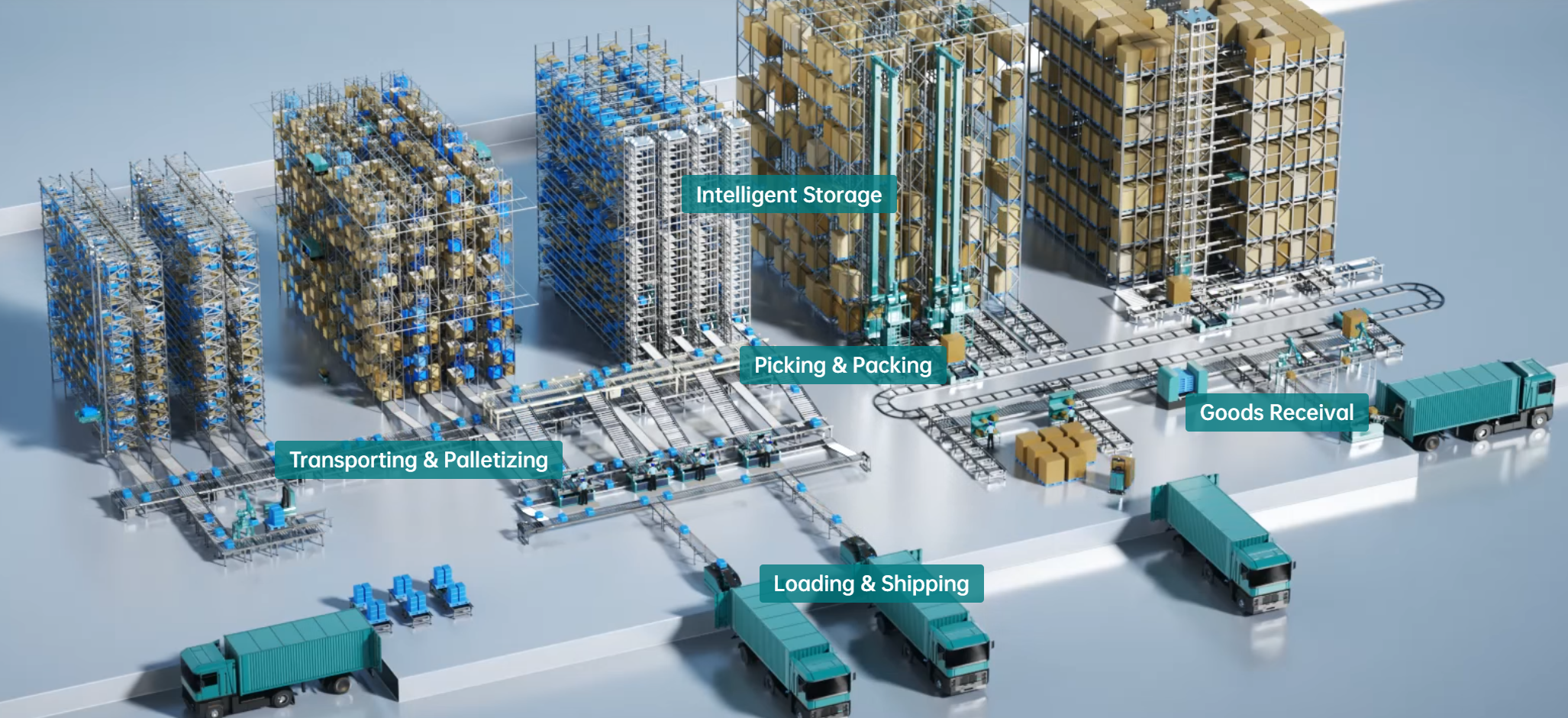
Look at a cell. Pick-face, buffer, induction, retrieval. Where does the stacker crane sit? How many cycles per hour are realistic? This is the operational production teardown — a disciplined walkthrough of pick times, lift cycles, and queueing. Use measured data: cycle time per pick, average pallet turns, mean time between failures. Fit the stacker crane’s cycle to peak windows, not averages. When you embed an Automated Stacker Crane, tune the control logic. When you add a pallet stacker crane, adjust buffer sizing so conveyors never stall. These are concrete changes, with concrete metrics.
Common mistakes and fixes
Teams often over-automate the wrong aisle. They shove AS/RS into areas without demand. They forget human ergonomics beside machine speed. They under-plan maintenance access. Fix: pilot small, measure mean cycle time, then scale. Keep manual staging close to the automated cell. Keep spare parts for the stacker crane on-site. Simple steps reduce downtime and hold throughput steady.
Design patterns that repeat
Repeatable choices surface: vertical densification, modular lanes, layered control software. Modular lanes let you decouple failures. Vertical densification—stacker crane or AS/RS—improves footprint profit. Control software must map priorities: replenishment first, then outbound high-turn SKUs, then exceptions. The pattern is stable across hubs, whether near Rotterdam or servicing cross-dock flows. Designers reuse the patterns, adapt parameters — shelf height, aisle width, lift speed — to local needs.
Team impact and rollout pacing
Rollouts are not purely technical. Staff learn new interfaces. Supervisors adjust KPIs. Training runs start slow and build. Expect friction on day one; expect steady improvement by month three. Plan parallel runs: old system still picks while the new lane proves itself. This reduces risk and keeps customer promises intact — that matters. Also, plan maintenance windows around shipping peaks. You will thank yourself.
Three design rules before you sign off
1) Match cycle capability to peak windows: design for busiest hour, not daily average. 2) Zone by SKU profile and reserve AS/RS lanes for dense, predictable pallets. 3) Build maintainability into the layout: clear service aisles, local spare-kits, and simple diagnostic panels for any stacker crane. These are the golden rules that separate projects that limp from projects that deliver.
Advisory close: evaluation metrics and a final note
Use three metrics to judge any hub design: peak-hour throughput (pallets/hour), mean time to repair (hours), and pick accuracy (percent). Score these before and after installation. Expect measurable wins: tighter footprint per pallet, fewer manual moves, steadier outbound flow. Trust measured data, not promises.
Design that ends in reliable rhythm. The practical payoff lands where floors run cleaner and shifts end on time — BlueSword. Practical. Measured. Ready.