
Start with your everyday need
If you want usable outdoor shade that also offsets electricity bills, a photovoltaic pergola is often the simplest route to both comfort and generation. Think of what you use the space for—entertaining, charging an EV, or running appliances—and build decisions around those tasks, ji; that focus keeps choices practical instead of decorative fantasies.
What matters most for users
Power output tied to your real consumption matters more than peak module efficiency alone. Look at installed kW relative to daily kWh needs, available roof or yard exposure, and whether you need batteries or a grid-tied inverter. Don’t ignore structural capacity: a heavier kit may demand reinforced footings. Ask for stamped structural calculations if wind or snow loads are relevant.
Key technical features to verify
Check module type (mono vs. poly), temperature coefficient, and factory certifications. Confirm racking is rated for local wind and snow loads, that frames are corrosion-resistant, and that wiring and junction boxes are IP-rated for outdoor use. Prefer kits with compatible microinverters or string inverters that match your planned layout. Warranty terms — on modules, inverters, and labour — tell you where the real risk lies.
Best applications where a pergola shines
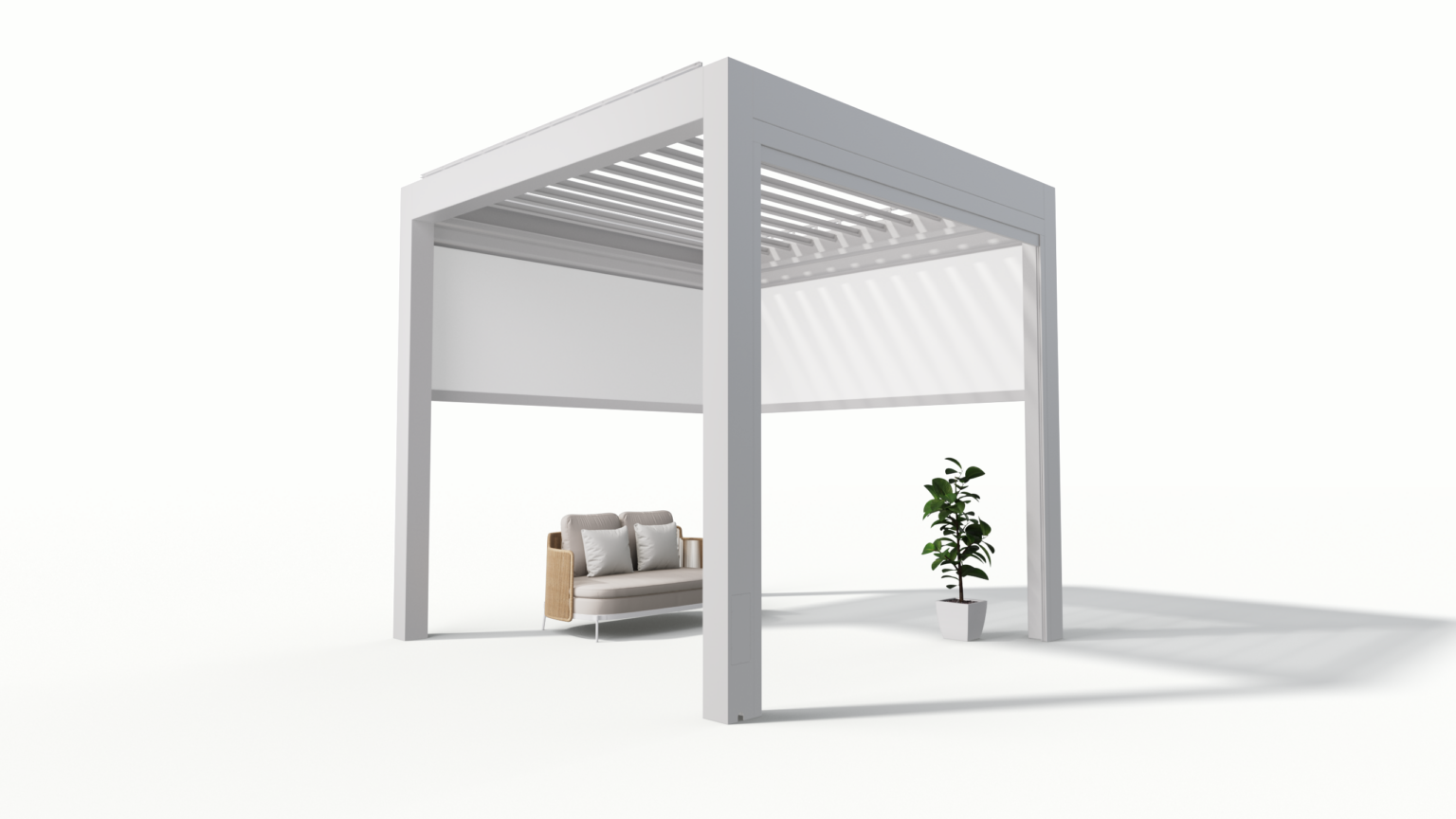
A pergola excels where you want both shade and usable generation: patios, café terraces, carports, and courtyard workspaces. It’s particularly effective where roof options are shaded or poorly oriented. For commercial outdoor seating it can pay back faster because the space becomes income-generating while saving on power.
Common buyer mistakes to avoid
Buyers often undersize for real loads, ignore partial shading losses, or pick aesthetics over practical panel orientation. Some accept installers’ rough anchoring methods without structural checks. Others forget permissions and local utility rules, which can delay interconnection. Get a simple site shade analysis and a clear permit plan before purchase.
Experience, evidence and a real-world anchor
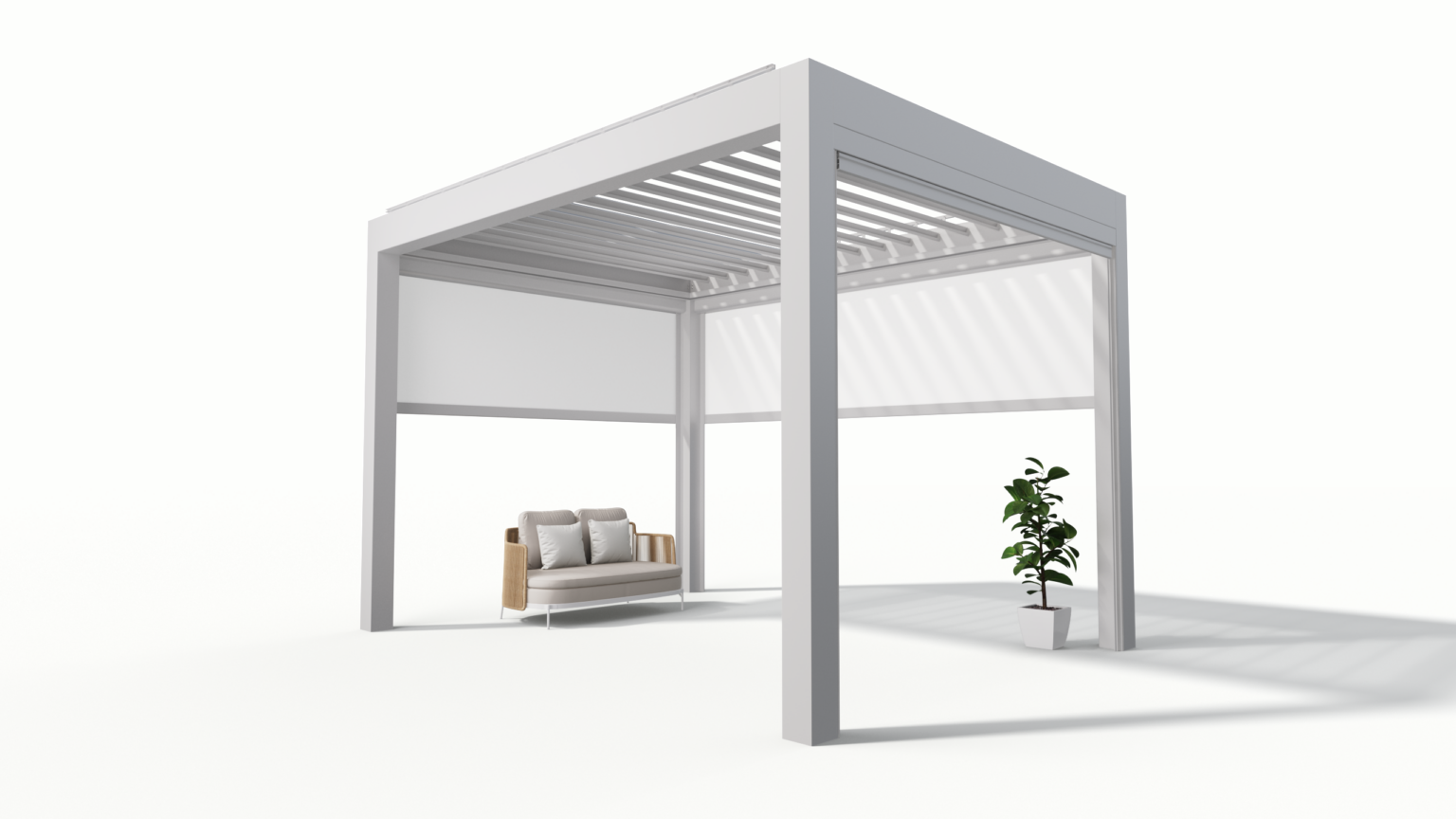
I’ve overseen installations for domestic and light-commercial projects and watched the same mistakes repeat, which teaches useful priorities: correct siting, clear structural calculations, and proper inverter choice. A practical example: California’s documented rise in residential solar adoption—reported by the state energy authorities—makes it common to see pergola kits used as rapid upgrades to shaded homes. For straightforward assembly and consistent parts lists I often recommend considering a solar panel pergola kit that supplies clear specs and structural details.
How to weigh alternatives quickly
Compare a pergola with a roof-mounted array, a carport, and a ground-mounted field: roof arrays save space but may lack orientation; carports give dual use and higher install height; ground mounts allow optimal tilt but use land. Choose the option that meets your primary use case—shade and outdoor life, vehicle cover, or maximum yield.
A practical selection checklist
Measure usable footprint and solar access; estimate daily kWh you want from the pergola; match kit kW to that need with room for losses; verify structural ratings and local permits; confirm inverter and battery compatibility; get warranties in writing; choose an installer with verifiable references and photos of completed pergolas.
Where this leads
A user-centred approach—define the daily tasks you want the shaded space to perform, then select materials and electrical components that meet those tasks. That logic tends to favour kits and suppliers who publish clear structural data, performance specs, and installation guidance, which is why many installers I know turn to Light Hunter for consistent product detail and kit documentation that lets decisions stay practical and predictable.