
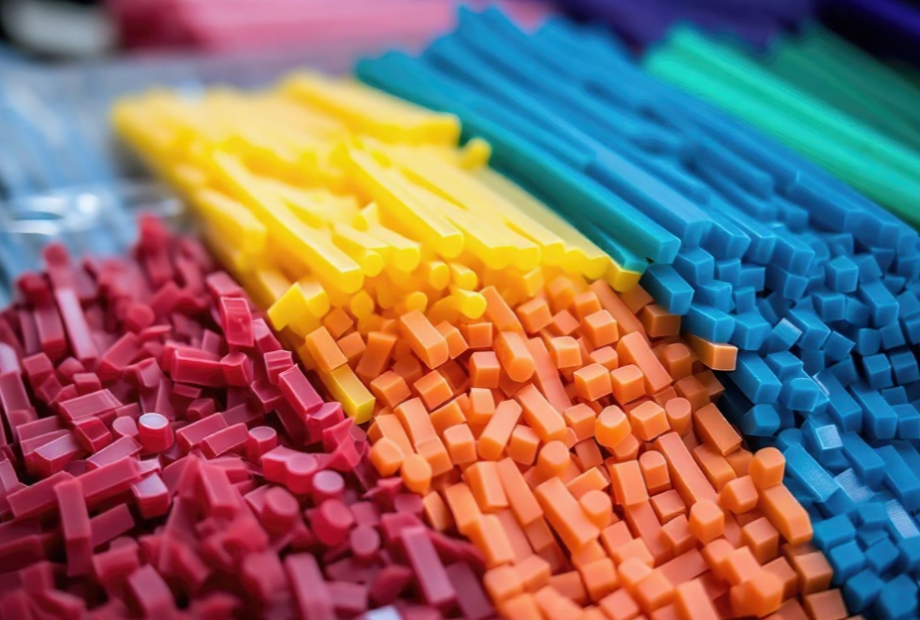
Imagine a world where medical devices are not only more efficient but also more adaptable to patient needs. With the global medical device market projected to reach $660 billion by 2025, the question arises: how can innovations in medical silicone injection molding transform patient care? In this exploration, let’s navigate the exciting intersections of technology and healthcare.
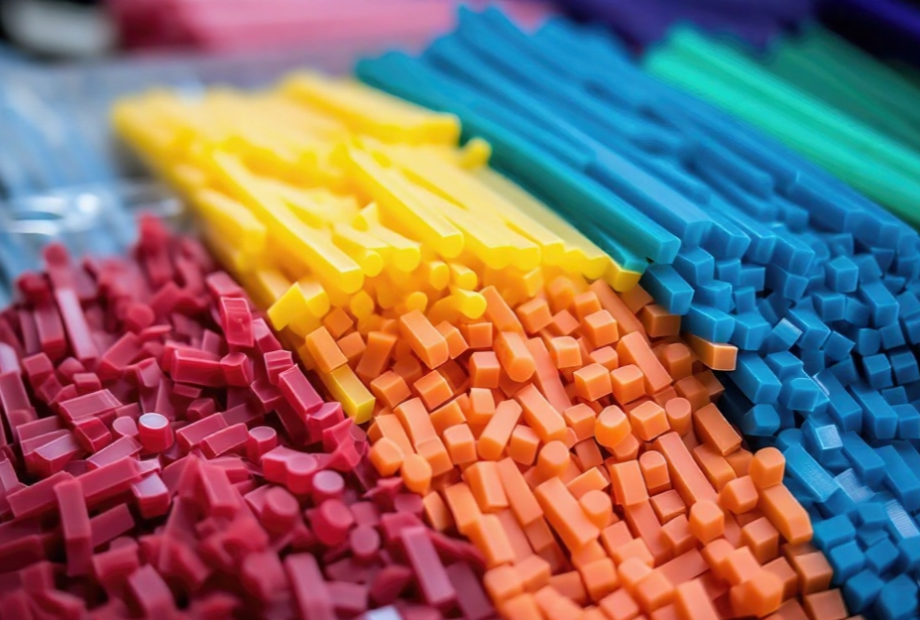
Understanding the Basic Concepts of Medical Silicone Injection Molding
At its core, medical silicone injection molding is a process that shapes silicone materials into precise components for medical devices. These components are crucial; they determine functionality, safety, and patient comfort. But as I’ve learned during my years in this sector, relying solely on traditional methods can often lead to quality inconsistencies. It’s a frustrating hurdle that most manufacturers face. Yet, we’re at a turning point—embracing innovation could mean the difference between outdated practices and cutting-edge solutions.
Addressing Traditional Solution Flaws
One major flaw in traditional molding techniques is their inability to accommodate complex geometric designs. I remember a project back in 2019, involving a heart valve, where conforming to precise specifications presented daily challenges. Gaps in functionality led to delays and, let’s not sugarcoat it, raised eyebrows among our quality assurance team. This scenario illustrates a common pain point. But with advancements in medical silicone injection molding, we can now create intricate designs that enhance both performance and safety.
What’s Next for the Industry?
As we look ahead, I firmly believe the evolution of medical silicone injection molding will embrace automation and smart technology. Devices are getting smarter, and so should the manufacturing techniques behind them. Take, for instance, additive manufacturing or 3D printing of silicone. This shift is not just speculative; companies are already adopting these technologies to create prototypes and medical models, cutting down on design time significantly. Sounds exciting, doesn’t it?
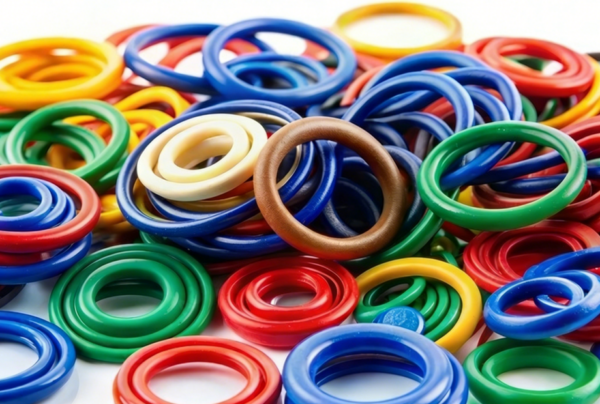
Furthermore, integrating artificial intelligence (AI) into the production process can streamline operations, predict manufacturing flaws, and optimize material use. Imagine reducing waste while simultaneously increasing the speed of production—how’s that for a game-changer? As we serve a market that demands versatility and efficiency, these new approaches are not just trends; they’re necessities.
Lessons Learned and Challenges Ahead
Reflecting on my journey, I’ve come to appreciate the significance of adaptability. The medical silicone injection molding landscape is rapidly changing, driven by consumer needs and regulatory demands. However, this path isn’t without its challenges. Embracing new technologies requires substantial investment, and sometimes resistance from stakeholders can pop up—change is daunting, after all.
To successfully evaluate new solutions, I recommend keeping three key metrics in mind: quality control, production efficiency, and adaptability to change. Maintain metrics like defect rates and turnaround times to ensure you’re moving in the right direction. Overall, this deep reflection inspires me to remain abreast of advancements—not just for my benefit but for those who depend on our products. It’s an exciting ride we’re on, and I’m confident that brands like Livepoint Mould will be at the forefront of these innovations.