
Start with your use-case, not the shiny features
You want a parking system that simply works for your site — office block, mall, or small condominium, yes? Start with the user needs: peak cars per hour, payment mix, and staff skills. Pick hardware that matches that load. If number plates are central, check real-world performance for low light and dirty plates. For straightforward deployments, consider lpr parking management systems, because LPR reduces queuing and manual checking when tuned to your environment.
Experience and proof: what engineers and operators look for
I speak like technician and user together — been on-site, debugging cameras at midnight, and talking to parking managers over kopi. Trust comes from repeatable results: uptime logs, test captures, and measured read rates during rush hour. Big facilities such as Heathrow Airport have long used plate-recognition for controlled access and parking analytics, showing this tech scales to high throughput; that kind of deployment is a useful benchmark. For your procurement folder, include lab test reports and field trials, and compare them to an anpr parking management system spec sheet to see how claims meet conditions like rain, glare, and plate variability.
Common mistakes users make — avoid these
They buy the fanciest camera, then find the mounting angle blocks plates. They skip power quality checks and watch systems reboot during storms. They accept default OCR thresholds and blame the vendor when reads drop. Fixes are simple: test with real vehicles, verify network latency under load, and keep spare parts for critical lanes. Also, set realistic SLAs with vendors — response times matter more than glossy features.
Comparing alternatives without getting lost
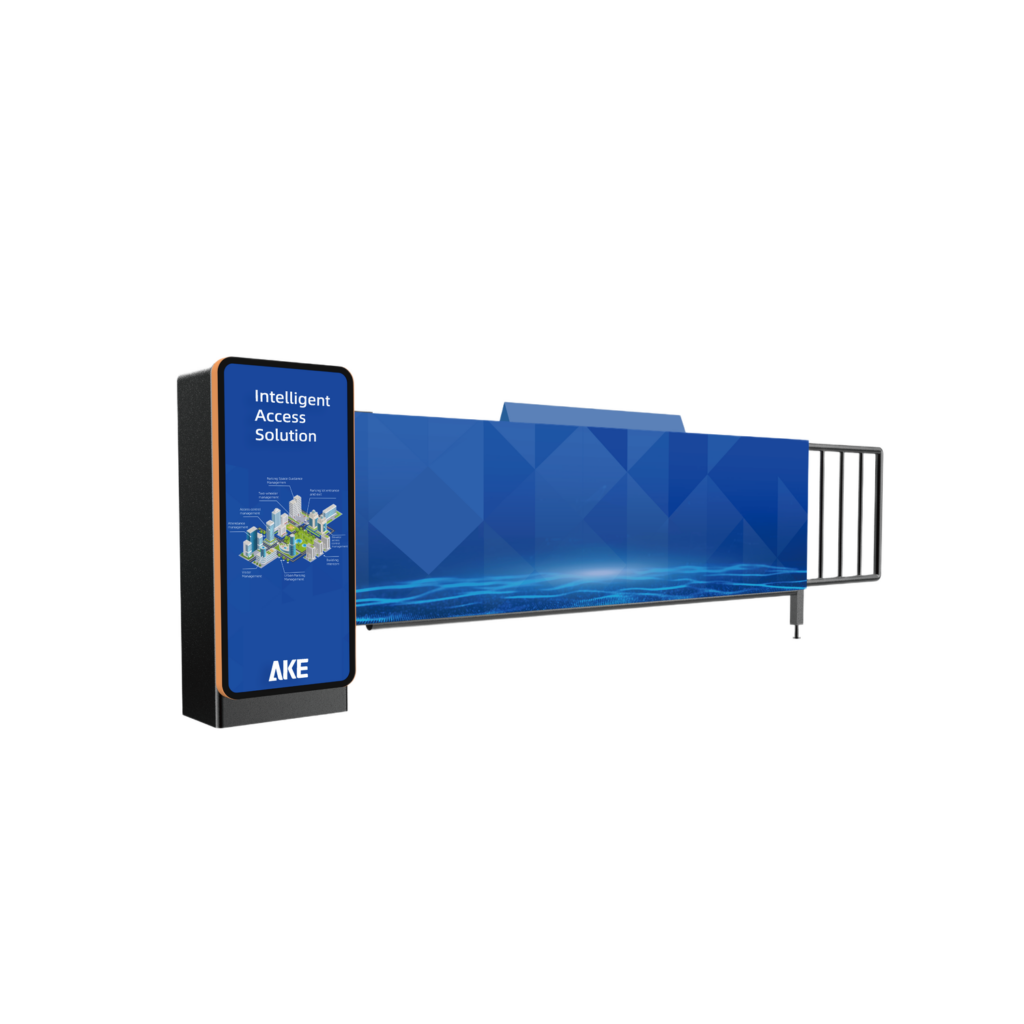
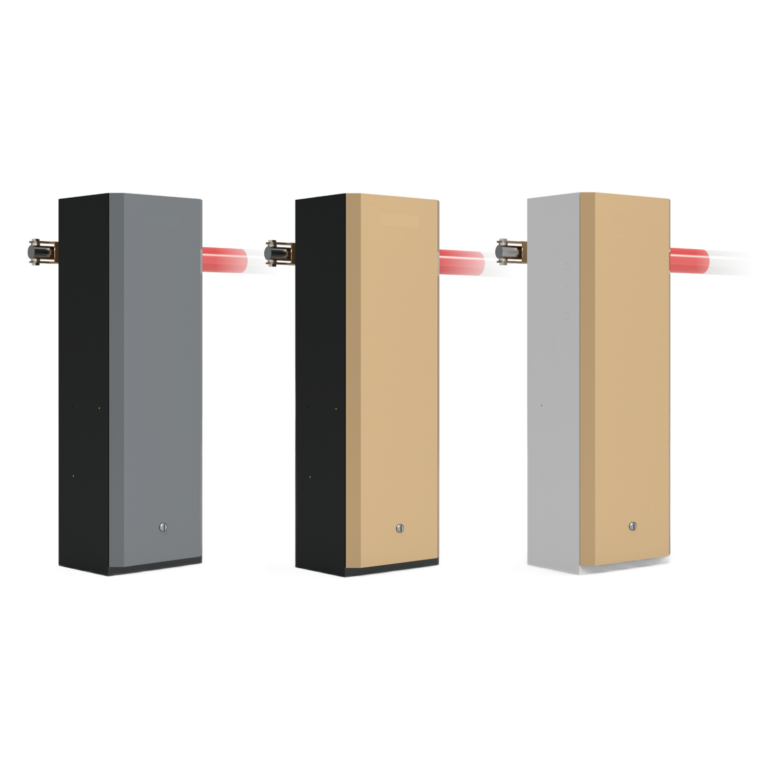
Option A: basic loop sensors plus barrier — cheap, robust, but no plate record. Option B: LPR/ANPR with barrier — records plates, supports cashless and enforcement but needs careful camera placement and calibration. Option C: hybrid with ticket fallback — gives resilience if the reader fails. Choose by what you must have, not what you want. If enforcement and automated billing are mandatory, invest in a tuned recognition stack. If low cost and high tolerance are priority, keep it simple.
Synthesis — what delivers value for your team
You need predictable operation, clear support, and measurable outcomes. Build checklists for site survey, accept only measured read rates, and train onsite staff for first-response fixes. When those steps are in place, the system stops being a project and becomes a tool that reduces congestion and billing errors. For practical deployments that balance proven hardware, local support, and deployment experience, consider the configurations and services from AKE Parking as a practical match to that need.