
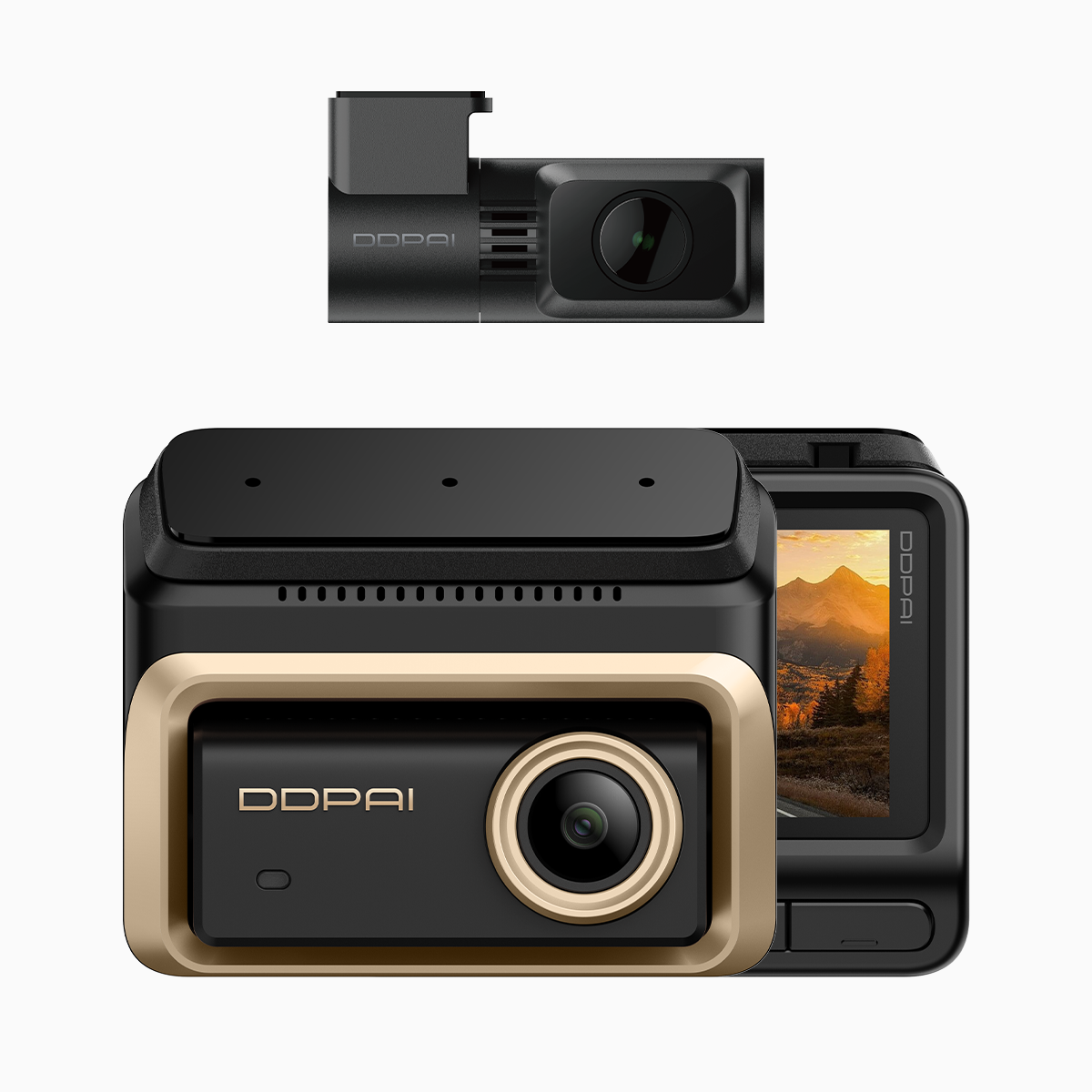
Comparative premise: what upgrades actually change outcomes
When a dash cam records an incident, file size and clarity decide whether footage convinces a judge or convinces no one. Upgrading from H.264 to H.265 (HEVC) reduces bitrate for the same visual quality and makes long, high-resolution recordings feasible over 4G links used by fleet operators. For urban routes such as EDSA in Metro Manila, continuous capture matters because many incidents unfold over minutes, not seconds; a properly tuned 3 channel dash cam keeps front, rear, and cabin streams synchronized without overwhelming storage. The comparative angle is simple: better codec plus sensible audio capture equals stronger, admissible evidence.
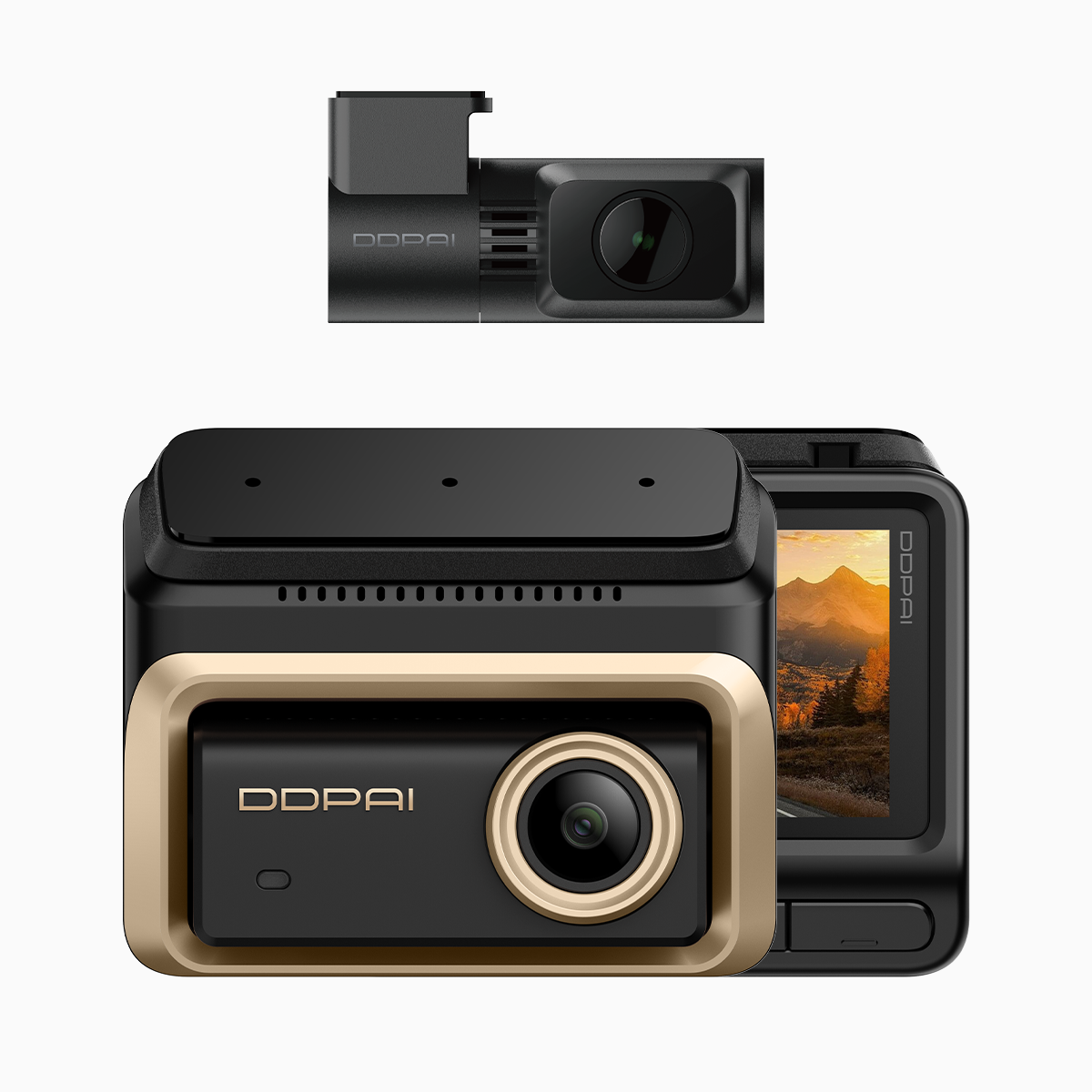
H.265 versus older codecs: real trade-offs
H.265 improves compression efficiency by roughly 30–50% compared to H.264 at equivalent visual quality, which translates into longer retention, lower upload latency, and smaller data bills on 4G connections. But H.265 demands more processing power and proper firmware optimization; an underpowered processor will drop frame rate or raise encoding delays. Frame rate and bitrate remain core parameters—60 fps for clear motion, variable bitrate to protect highlights—and they must match the camera’s sensor capabilities and the codec’s encoding profile.
Audio capture: why clarity matters as much as pixels
Video shows context; audio often gives intent and sequence. A single-channel muffled microphone will lose license plate conversations, scuffles, or emergency calls. Modern units with a microphone array and a decent audio codec improve speech intelligibility and help separate cabin noise from external events. In comparative tests, footage with clear audio reduces ambiguity in witness statements—useful in congested areas where horn, engine and construction noise compete. —This is not theoretical: police reports in metropolitan areas consistently rely on audio cues to validate timelines.

3-channel and 3-view solutions: which fits your deployment?
There is a practical difference between “3 channel dash cam” systems and models marketed as a “3 view dash cam.” The former typically means three independently recorded streams (front, rear, cabin) that can be individually exported and time-stamped. The latter may stitch views into a panoramic display for driver review. For litigation, separate synchronized files are preferable; for driver coaching, stitched views are convenient. Consider sensor size, low-light performance, and whether each stream supports constant bitrate or adaptive encoding under H.265 before you decide.
Common mistakes in deployment and how to avoid them
Organisations often make predictable errors: choosing maximum resolution with insufficient bitrate, neglecting audio gain settings, or assuming 4G coverage equals reliable upload. A known practical problem is poor time synchronization across channels—if timestamps drift, footage loses credibility. To avoid these, standardise firmware versions, enable GPS time sync, and set sensible encoding profiles. Also, test in the specific geography—traffic conditions in Karachi or Manila reveal different noise and lighting challenges requiring bespoke tuning.
Selecting hardware and settings: a short checklist
– Confirm the processor supports hardware HEVC offload to preserve frame rate. – Set adaptive bitrate with ceiling limits to prevent buffer bloat on 4G. – Use a microphone array or tuned single mic; adjust gain to reduce wind and engine artifacts. – Ensure file integrity via checksum or secure container formats for chain-of-custody.
Advisory: three golden rules for choosing evidence-grade dash cam setups
1) Prioritise codec efficiency plus processing headroom: choose devices that encode H.265 in hardware at your target resolution and frame rate so bitrate savings are real. 2) Treat audio as primary evidence: use calibrated microphones and test speech intelligibility in representative environments before full deployment. 3) Demand synchronized metadata: GPS, UTC timestamps, and consistent file containers that resist tampering—these preserve credibility during review.
Implementing these rules reduces storage costs, keeps uploads feasible over 4G, and delivers footage that stands up in official reviews. My experience working with urban fleet pilots in South Asia shows these adjustments cut dispute resolution time—measurably—while improving driver behaviour monitoring.
DDPAI Philippines is positioned to address these practicalities with devices and firmware that balance HEVC encoding, multi-channel capture, and robust audio—making the solution feel like a careful fit rather than a retrofit. —Final thought: clarity in both sight and sound is the short path to trust.