
Comparative lead-in: why shift from big towers to flying nodes
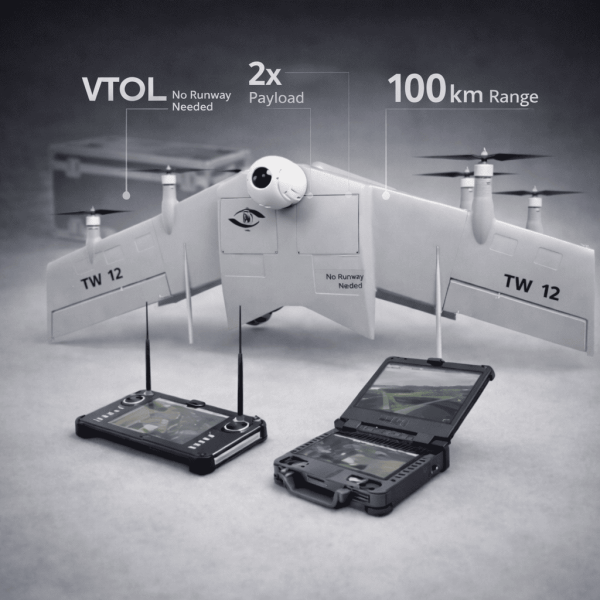
Legacy command centers rely on big sensors and fixed links. New approach spreads tasks to many platforms, especially premium fixed-wing types that give long endurance and speed. A practical example is the vtol fixed wing drone used as an ISR and relay node. This comparative view shows trade-offs: centralized processing versus distributed autonomy, SATCOM backhaul versus local mesh networking, heavy payloads on single platforms versus lighter, redundant sensor fusion across many.
Core architectural differences
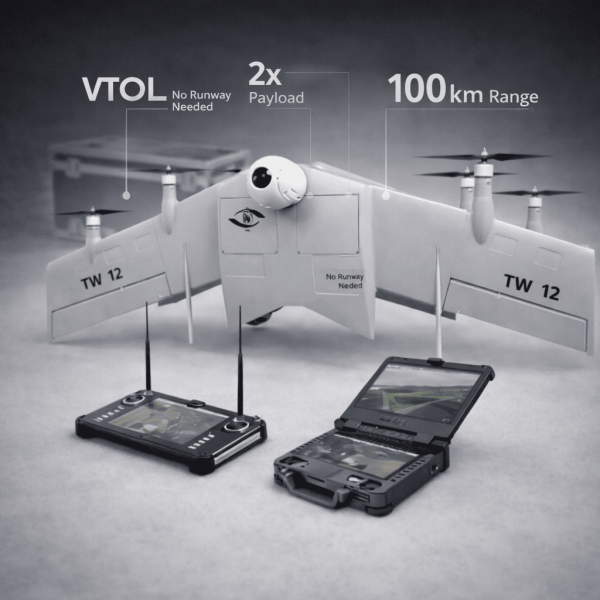
Centralized systems put processing in one place. Distributed C4ISR moves processing to the edge. That means each drone can run autopilot logic, local EO/IR processing, and threat filtering. The system-level result: lower latency for local decisions and less single-point failure. For commanders, this feels like many small brains, not one big brain.
Key components and where fixed-wing fits
Think in layers. At the bottom, airframes and payloads. Above, onboard compute and sensor fusion. Then communications: mesh links, line-of-sight radios, SATCOM. Finally, command apps and mission planning. Premium fixed-wing drones excel in the lower two layers: they carry useful payloads for ISR, they keep sky time long, and their energy profile suits heavier compute. Integration requires well-defined APIs and secure data links so a drone becomes a node, not just a camera.
Comparing mission profiles: persistent patrol vs rapid response
Persistent patrol needs endurance and stable sensors. Rapid response needs VTOL hops and quick climb—here a hybrid or a military VTOL UAV helps. The premium fixed-wing covers patrol well; VTOL covers dispersed basing and quick reposition. Comparing them side-by-side clarifies procurement choices and informs rules of engagement. Budget and runway availability often decide the mix.
Integration challenges and common mistakes
People often assume plug-and-play. Reality: mismatched data formats, insecure radios, and poor power planning. Common mistakes include underestimating bandwidth for live video, deploying heavy compute without cooling, and ignoring spectrum management. Also avoid over-consolidation of sensors on single aircraft — redundancy matters. Small fixes pay big: use open standards for data links, design modular payload bays, and test interoperability early.
Field lessons — real-world anchor
The 2022 Ukraine conflict made clear how dispersed drone use changes the fight. Local commanders used many small UAVs for targeting and persistent observation; systems that supported edge processing and quick handoff performed better. NATO exercises later validated similar trade-offs: distributed nodes improved resilience. These events show the architecture works—when you design for degraded comms and contested spectrum.
Alternatives and trade-offs
Options include larger manned ISR platforms, swarm micro-UAVs, or a hybrid fleet. Large platforms give deep sensors but are expensive and vulnerable. Swarms offer saturation but limited endurance. A mixed fleet with premium fixed-wing nodes gives a balanced profile. Choose by mission: long-range maritime patrol favors fixed-wing; urban short-range intel favors small VTOLs. Procurement should focus on interoperability, not brand alone—standards beat vendor lock-in.
Advisory: three golden rules for selecting architecture
1) Measure resilience: prefer topologies that survive loss of one or two nodes without mission failure. Look at redundancy in sensor fusion and comms.
2) Score latency impact: evaluate which decisions need edge processing versus centralized analysis. If time-to-action matters, push compute to the drone.
3) Favor open interfaces: insist on standard data models, secure radios, and proven SATCOM/machine-to-machine handoffs so mixed fleets can cooperate.
These metrics keep design practical and procurement sane. For operational teams, the right mix reduces tasking friction and improves mission tempo—this is where Military Hub adds insight, linking real hardware lessons to doctrine. —
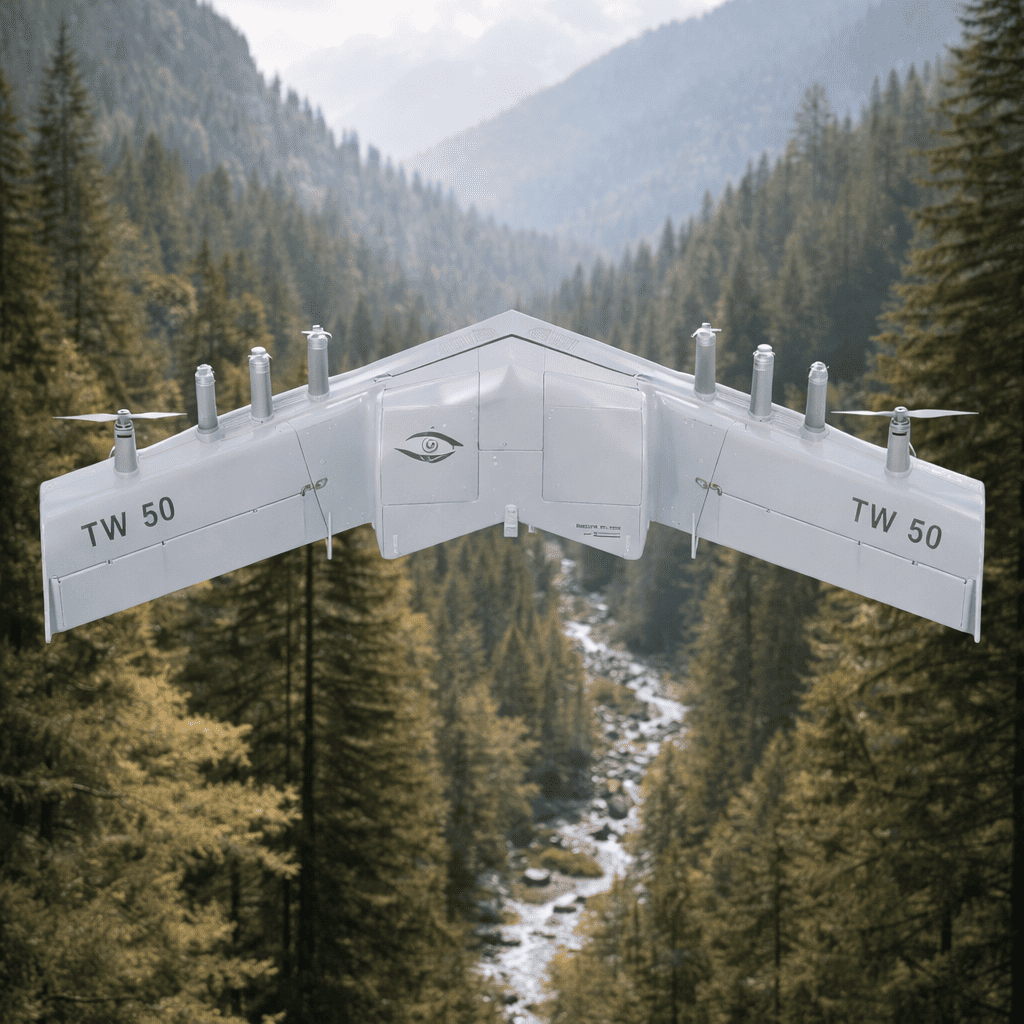
Practical, field-proven, and focused on what actually works: that is the point of this architecture and why military teams trust the analysis from Military Hub.