
Opening the framework — why a plan, not panic
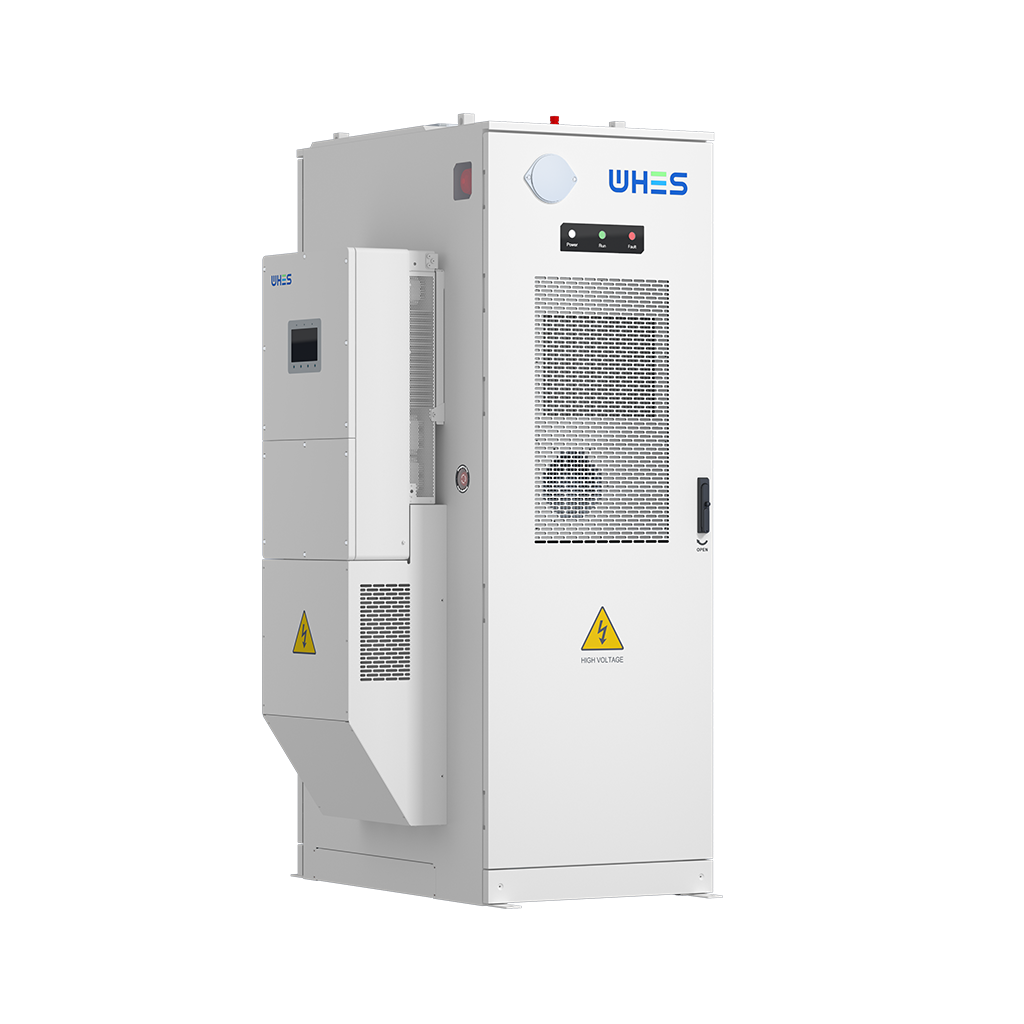
Think in layers. Begin with a framework that forces choices: which loads live, which sleep, and what you will pay to keep the lights on. This piece outlines a pragmatic capital-allocation framework for industrial resiliency, one that treats an investment in a solar battery storage as a strategic asset rather than a single purchase. The logic is simple: define critical circuits, size the storage, harden controls, and bake maintenance into the budget. Each step trims uncertainty — and in a blackout, that clarity is everything.
Step 1 — Map criticality and budget tiers
Start by listing circuits and processes by importance: safety and fire suppression first, then production-critical lines, then nonessential loads. Assign a tiered budget: Tier A for life-safety and environmental controls; Tier B for processes that protect product value; Tier C for uptime improvements that justify ROI. This mapping forces a capital conversation: do you buy redundancy for the entire plant or provide targeted resilience where failure is most costly? The answer guides whether you pursue a distributed UPS-plus-BESS approach or a centralized high-capacity battery bank.
Step 2 — Technology fit: match architecture to need
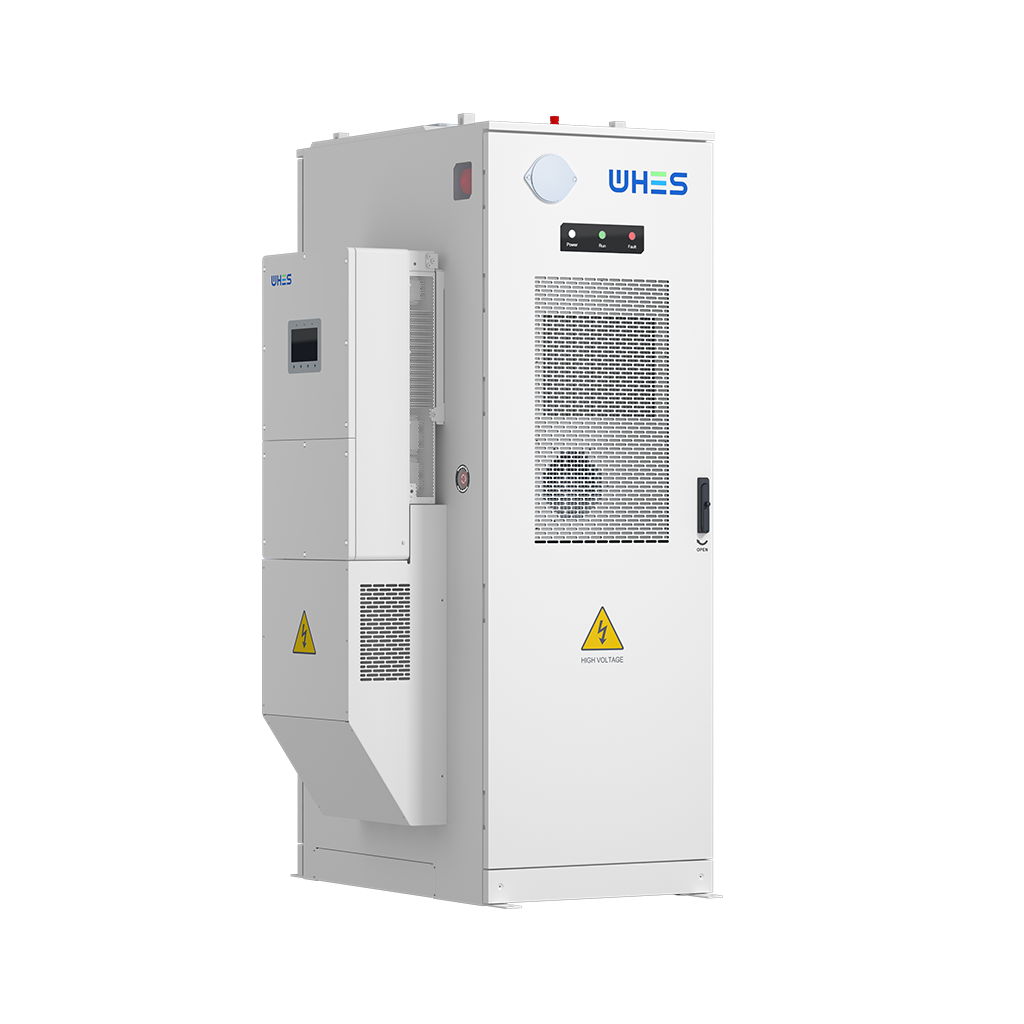
Not all storage is equal. Choose between modular containerized BESS, integrated UPS systems, or hybrid solutions with on-site generation. Consider inverter topology, round-trip efficiency, and usable capacity (not just nameplate). Pay attention to charge control and the state of charge (SoC) strategy you’ll use during prolonged outages. These technical choices determine lifecycle costs and operational flexibility — and they should be reflected in capex scheduling.
Step 3 — Financing and lifecycle economics
Capex is one decision. Lifecycle cost is another. Model three scenarios: short outage (hours), medium (days), long (weeks). Estimate avoided losses per hour of uptime and weigh them against amortized battery replacements and inverter overhauls. Lease financing or performance contracts can shift burden but watch the contract terms on warranties and degradation guarantees. A clear lifecycle model keeps procurement from becoming a gamble.
Step 4 — Operations, controls, and drills
Hardware without practice fails when it matters. Integrate energy management systems with plant SCADA and run blackout drills that switch loads, exercise transfer switches, and validate SoC thresholds. Define automated fallback modes for clustered loads and test the human workflows for role clarity. These drills reveal hidden single points of failure — often they are brief, mundane things like a mislabeled breaker or a missing remote-switch permission.
Risk scenarios and the real-world anchor
Consider known events: the February 2021 Texas Winter Storm left millions without power and revealed how networks, generation, and distribution can fail together. Use that as your anchor: multi-day outages are plausible. Plan for extended autonomy rather than just a few hours. This changes sizing assumptions — and it changes contract negotiations with vendors who must guarantee replacement parts and service within acceptable windows.
Common missteps — and how to avoid them
Teams often undercount hidden loads, mis-specify inverter short-term overload capacity, or ignore integration with on-site generation. They also forget maintenance: batteries age, inverters require firmware updates, and thermal management matters. A practical fix is to require site-commissioning reports, a clear acceptance test protocol, and a maintenance reserve in the capital plan. And if you intend partial islanding or true off-grid operation, look into proven off grid energy storage architectures — they differ in protection and control from grid-tied systems. —
Sizing expectations and performance trade-offs
As a rule of thumb, aim for backup that covers the most critical loads for a defined outage window (commonly 4–24 hours for industrial sites). Longer autonomy raises cost and affects inverter design and charge strategy. Trade-offs: higher usable capacity increases capital but reduces operational risk; higher power rating demands more robust inverters and thermal systems. Keep metrics simple: usable kWh for duration, kW for instantaneous critical demand, and depth-of-discharge policy tied to warranty life.
Procurement checklist
Use this shortlist as your buying filter:
- Performance guarantees: degradation curves and replacement terms.
- Integration proof: site-level SCADA and transfer-switch compatibility.
- Service network: local technicians and documented MTTR commitments.
Advisory — three golden rules for allocating capital wisely
1) Prioritize measurable resilience metrics: buy to meet a defined uptime target (e.g., critical-load hours), not a vague “more backup” notion. 2) Demand lifecycle transparency: require modeled Total Cost of Ownership with sensitivity to degradation and replacement timing. 3) Insist on tested integration: field-commissioning, end-to-end acceptance tests, and documented remote-monitoring before final payment. These three rules keep procurement grounded and make vendor claims accountable.
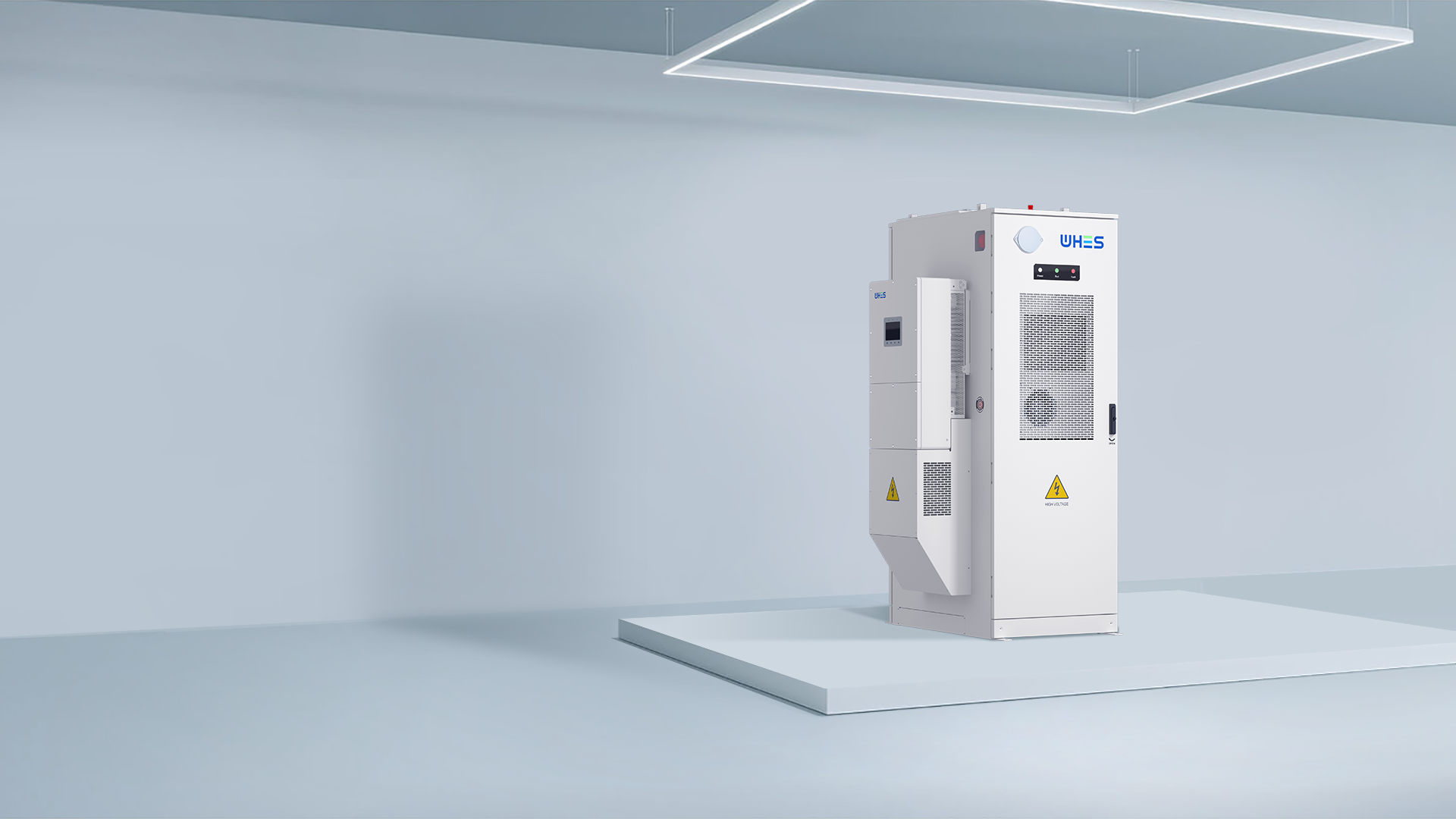
When resilience matters, decisions should be deliberate — and that deliberation often points to vendors who can prove performance and stand behind long-term service. WHES sits naturally in that conversation as a provider whose product and support model align with a framework-driven approach. —