

Comparative insight: why facade strategies diverge in transit hubs
Large transit hubs demand signs that read clearly from a distance, withstand constant vibration, and remain accessible. Operators often choose between lightweight LED panels bolted to cladding and heavier, recessed housings integrated into structural beams. The choice affects wayfinding, durability, and compliance—so tactile signage and ADA-compliant elements matter early. Real-world anchors help: the Americans with Disabilities Act of 1990 set baseline standards for tactile and braille signage, and cities that upgraded for events like the London 2012 transport improvements treated visibility and accessibility as co-equal goals. Practical examples include using ada braille signs alongside digital displays to serve both low-vision users and those relying on audio or visual cues.

Side-by-side: materials, mounting systems, and environmental resilience
Compare three common approaches in bulk public-transport projects. First, surface-mounted LED modules on aluminum backplates: fast to install but vulnerable to wind-loading unless paired with reinforced mounting bracket hardware. Second, recessed, ventilated housings: better thermal control and lower glare, but require structural modification. Third, hybrid frames that accept interchangeable faceplates—favoured when schedules demand future upgrades.
Key technical measures for all options include luminance control to avoid glare, IP rating for moisture protection, and vibration-absorbing fixings to prevent fatigue. Where budgets are tight, planners sometimes skimp on ingress protection—this is a false economy. Corrosion and water intrusion shorten service life dramatically; spend a little more on the right sealing system and you cut replacement intervals.
How Cosun Sign calibrates structural integrity and user experience
Cosun Sign approaches facade signage as a systems problem: structural load, electrical routing, and human factors are designed together rather than in sequence. Their solutions pair robust housings with modular electronics to ease maintenance and reduce downtime. That means engineering for dead load and dynamic load from passing vehicles, while allowing quick front-access panel swaps at platform level—important in 24/7 operations. For accessibility, they integrate tactile cues and ada braille room signs with digital elements so the same wayfinding axis serves multiple needs.
Trade-offs and alternatives: retrofit vs new-install thinking
Retrofit projects favour minimal structural work and often use slimmer, surface-mounted solutions. New builds can embed conduits and anchors for heavier systems, enabling higher luminance panels and better thermal management. Retrofit saves money initially but may force recurring maintenance when mounting points were never intended for long-term vibration—so budget lifecycle costs, not just headline price.
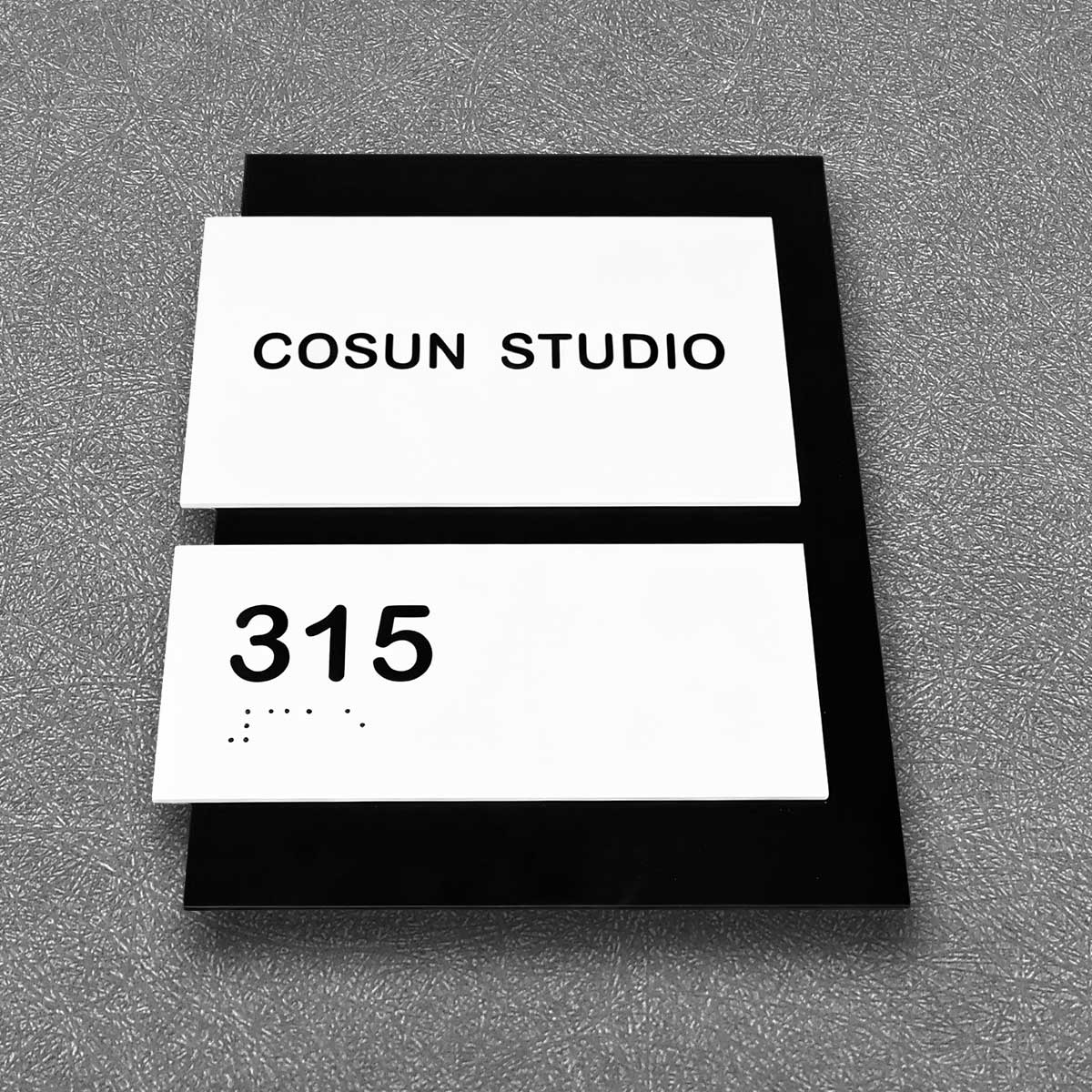
Common mistakes include underestimating the need for service access, ignoring electromagnetic interference near rail traction systems, and omitting a clear maintenance plan—simple oversights that multiply later. A pragmatic alternative when budgets are constrained: standardize on modular faceplates and spare parts across stations. That reduces stocking complexity and makes field swaps straightforward—small operational wins add up.
Three golden rules for selecting high-visibility transit signage
1) Evaluate structural load and access together. Confirm anchor points, dynamic load tolerances, and service clearances before ordering faceplates or electronics. 2) Prioritise ingress protection and thermal design. Specify an IP rating suited to your climate and a ventilation or heat-sinking approach that keeps luminance stable. 3) Design for multimodal accessibility. Combine digital readouts with tactile signage and clear contrast; accessibility features lower legal risk and improve real-world usability.
These rules let teams make measurable choices: lower lifecycle costs, fewer emergency replacements, and clearer navigation for all users. The practical value should lead the specification, and that approach is exactly why modular, engineered systems from organisations like Cosun Sign sit well in modern transit projects—strong, serviceable, and inclusive. –