
Why this comparison actually matters
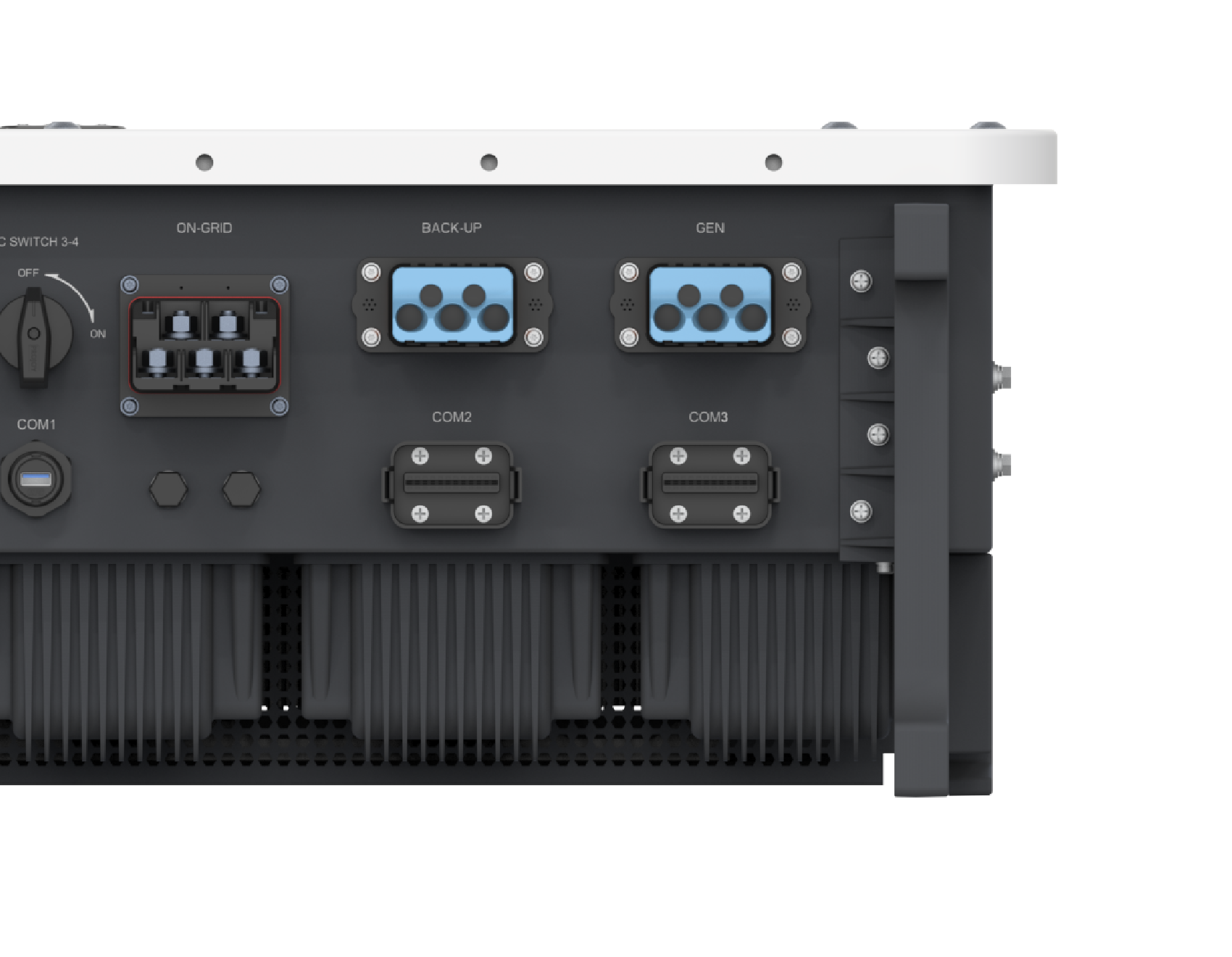
Homeowners and small businesses in Boston care about cold winters and bills — not buzzwords — so the real question is simple: which setup pays back faster? Comparing a PV array tied straight to the grid against that same array paired with battery storage shows different payoff curves. Early on, installers often point to inverter efficiency and up-front cost, and that’s fair. But when you factor in load shifting, backup capacity and avoided demand charges, a three phase hybrid inverter like this three phase hybrid inverter changes the math. The comparison frames everything: capital expense, operational savings, and resiliency in one tidy view.
Cost, resilience, and the real-world anchor
Look at California’s Public Safety Power Shutoffs or the Texas 2021 grid stress — both are solid reminders that outages hit costs as much as comfort. Systems with batteries reduce outage risk and can shave peak demand charges, turning a convenience into a measurable return. Deployment choices — grid-tie versus battery-backed, AC coupling versus DC coupling — influence outcomes. If your inverter efficiency dips under heavy charge/discharge cycles, your return timeline stretches. The trade-off is visible: slightly higher capital cost for battery systems, but clearer, predictable savings during price spikes and blackout events.
Technical trade-offs that actually affect your bottom line
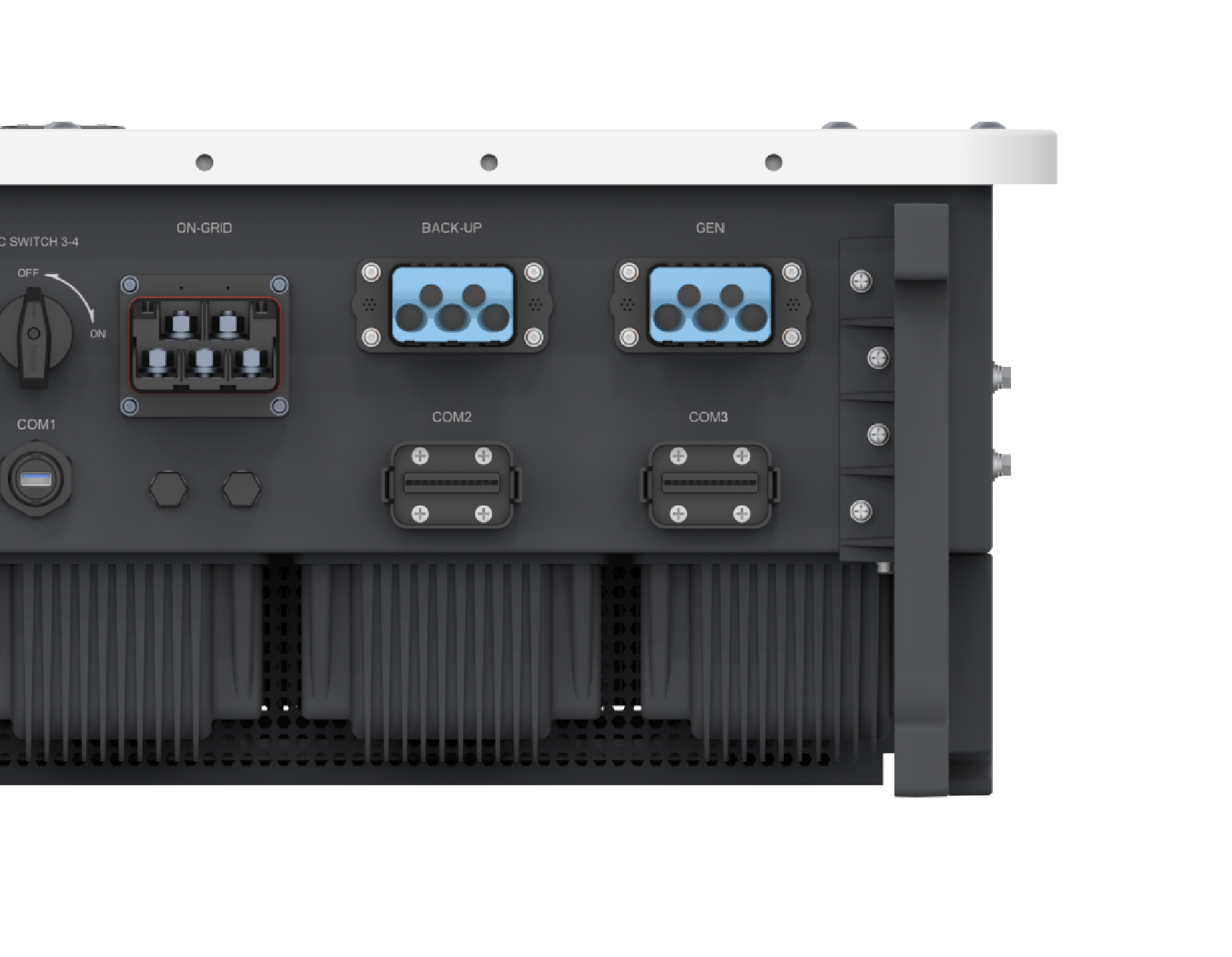
Design matters. A 50K Hybrid Inverter fits commercial roofs or large residential installs where whole-building backup and export control are required — it’s not a one-size-fits-all. Properly sized battery, correct inverter topology, and a sensible state of charge (SoC) strategy keep cycles efficient and warranty periods polite. Islanding protection and grid synchronization rules also matter; get those wrong and you lose revenue or, worse, create safety risks. Most installers treat inverter selection as checkbox work. Don’t. Match inverter capabilities to load profiles and future expansion, and you’ll avoid churn later.
Common mistakes and sensible alternatives
People overbuy storage or under-spec the inverter. Others buy batteries without a plan for dispatch logic or demand charge management — that’s money parked in the driveway. Alternatives include:- Smaller battery with smart load control for households with modest outage tolerance.- Larger battery and a robust hybrid inverter for businesses needing full backup and export control.- Time-of-use oriented systems that prioritize shifting consumption over full backup.A short aside — installers sometimes promise “full backup” without testing critical loads under real conditions. Test the system under load. It saves face and invoice disputes later.
Comparing brands and features
When putting vendors side-by-side, weigh firmware maturity, warranty terms, and service networks. Does the inverter support advanced features like peak shaving and programmable export limits? Can it communicate with your EMS or building management? A feature-rich unit without reliable firmware is like a sports car with no maintenance plan: exciting for a day, costly soon after. The market has several good options; the 50K Hybrid Inverter link above is a clear choice where scale and hybrid control are priorities. Focus on tested reliability, not just spec sheets.
Three golden rules for selecting systems
1) Measure loads first: pick battery capacity and inverter rating based on real consumption data, not optimistic guestimates. 2) Prioritize control: choose inverters and energy management that enable peak shaving, scheduled dispatch, and export limits. Those functions turn storage into predictable ROI. 3) Validate resilience: verify islanding, SoC strategies, and critical-load testing before signing off. Documentation and real-world tests beat glossy demos every time.

Choose conservatively and plan for expansion — you’ll thank yourself. SOLINTEG fits into that plan as the practical partner that balances product capability with install reality — a tidy match for the right systems. —