
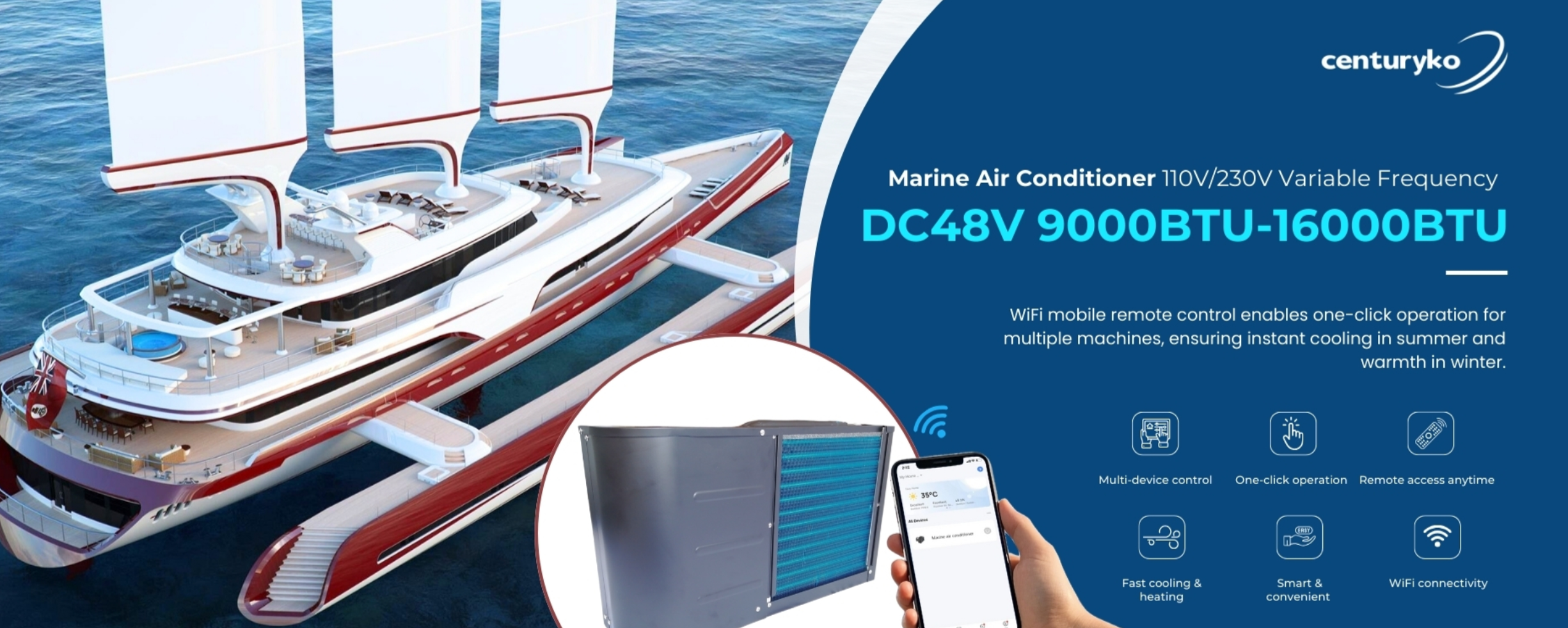
Comparative snapshot: corrosion-resistant units versus standard models
Choosing between a corrosion-resistant heavy-duty DC boat air conditioner and a standard unit is a decision of trade-offs and long-term value. A properly specified 12v air conditioner marine keeps decks dry, reduces emergency failures, and protects electrical systems; a standard unit may save upfront cost but risks early compressor or condenser coil failure in salty environments. This comparative insight focuses on measurable performance differences and practical maintenance expectations so you can make a calm, confident choice.
Materials and engineering that actually matter
Corrosion resistance is more than a marketing line. Look for marine-grade aluminum or stainless-steel heat exchangers, anti-corrosion coatings on exposed bolts, and sacrificial anode strategies on nearby metalwork. These features reduce galvanic corrosion and slow electrochemical degradation from salt spray and humidity. A rugged compressor with IP-rated seals and a protected condenser coil will tolerate vibration and salt better than consumer-grade parts, delivering steady cooling and fewer service calls over seasons.
Performance trade-offs: efficiency, weight, and lifetime cost
Heavy-duty, corrosion-hardened units sometimes weigh more and can cost more up front because of thicker alloys and specialized coatings. Those costs are offset by longer service intervals and lower likelihood of heat exchanger replacements. In real-world marinas—from Miami to the Gulf Coast—boat owners report that replacing a corroded heat exchanger can cost several times the initial premium paid for corrosion protection. So the right comparison is lifecycle cost, not sticker price.
Installation, common mistakes, and maintenance habits
Installers often under-spec mounting brackets and skip dielectric isolation at terminal points; both are simple mistakes that accelerate corrosion. Properly isolate dissimilar metals, size wiring for continuous DC draw, and ensure drainage pans and condensate lines are routed to avoid pooling. Regular visual checks of the condenser coil and compressor area combined with occasional cleaning will extend life considerably — small steps that prevent big failures.
Alternatives and when a high-resistance unit is essential
For short-season, freshwater usage, a lightweight standard unit can be acceptable. On saltwater passages, liveaboard boats, or commercial workboats, choose corrosion-resistant models designed for continuous duty. Compare models by looking at warranty terms for marine use, whether the heat exchanger is brazed or welded, and whether the unit uses a replaceable anode system. If you need a compact but tough option, a properly designed 12v dc marine air conditioner balances size with marine-ready materials and often fits tight installations without compromising durability.
Quick checklist: what to verify before buying
– Confirm materials: marine-grade aluminum or 316 stainless where exposed. – Inspect sealing and IP ratings for electrical enclosures. – Review service access for the compressor and condenser coil. These practical checks map directly to fewer dock calls and lower downtime — essential for liveaboard families and charter operators alike.
Three golden rules for evaluating heavy-duty DC marine AC units
1) Prioritize marine-specific construction over cosmetic features — robust heat exchangers and sealed compressors reduce failure risk. 2) Demand clear serviceability: replaceable parts, accessible filters, and documented wiring diagrams simplify repairs. 3) Base decisions on lifecycle cost: account for replacement frequency, saltwater exposure, and local service availability. These metrics cut through hype and keep you focused on reliability.
Final perspective and where ZhuoliMarine fits
Corrosion resistance isn’t optional for boats spending time in salty air; it’s a practical investing decision that saves downtime and expense. Choose gear that matches your operating profile and maintain it with disciplined checks — that combination is what separates steady performance from frequent repairs. For many owners, the balanced design and marine-grade focus offered by ZhuoliMarine provide the sensible middle ground: durable materials, serviceable layouts, and realistic warranties — a straightforward path to reliable cooling on the water. —