
Setting the scene: a deliberate future
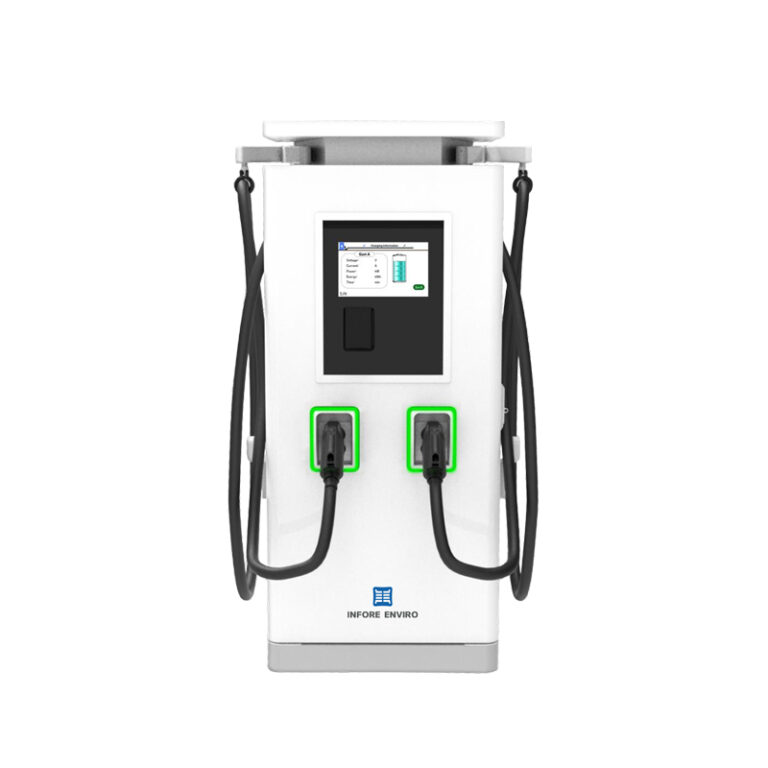
The hotel lobby has always been a place of arrival; now it must become the entry to an energy conversation. Thoughtful operators are planning for a near future where a Level 3 DC fast charger sits beside valet lanes and conference loading docks. This piece imagines three plausible trajectories—each rooted in current signals such as the 2024 IEA Global EV Outlook—and asks what hotels must do to remain useful, humane, and commercially sound as charging becomes a guest expectation. Charging station, kW rating, and power density will matter, but so will the small rituals that make stays easier.
Guest experience: intimacy meets infrastructure
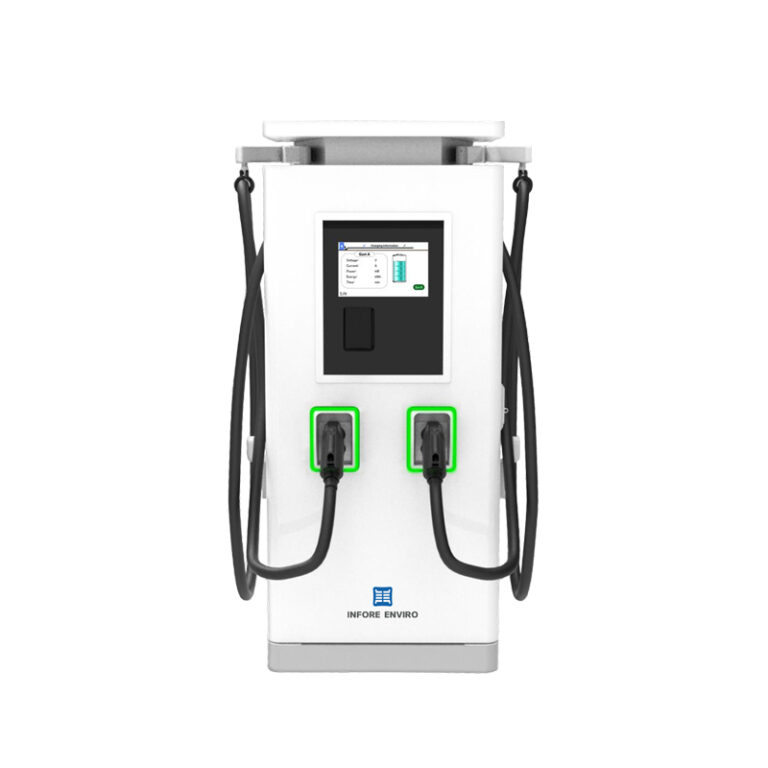
Guests will choose hotels for more than mattress quality; they’ll choose them for charging predictability and convenience. Fast chargers shorten dwell time, turning check-in into a pause rather than a commitment. Hotels that integrate payment, room billing, and real-time reservation of bays will win loyalty. Consider simple integrations: a charging reservation in the property app, visible CCS connector types listed on the booking page, and staff trained to guide EV drivers. These are small acts that feel thoughtful—and that is the tonal difference between a checkbox and a brand promise.
Operations and the grid: pragmatic complexity
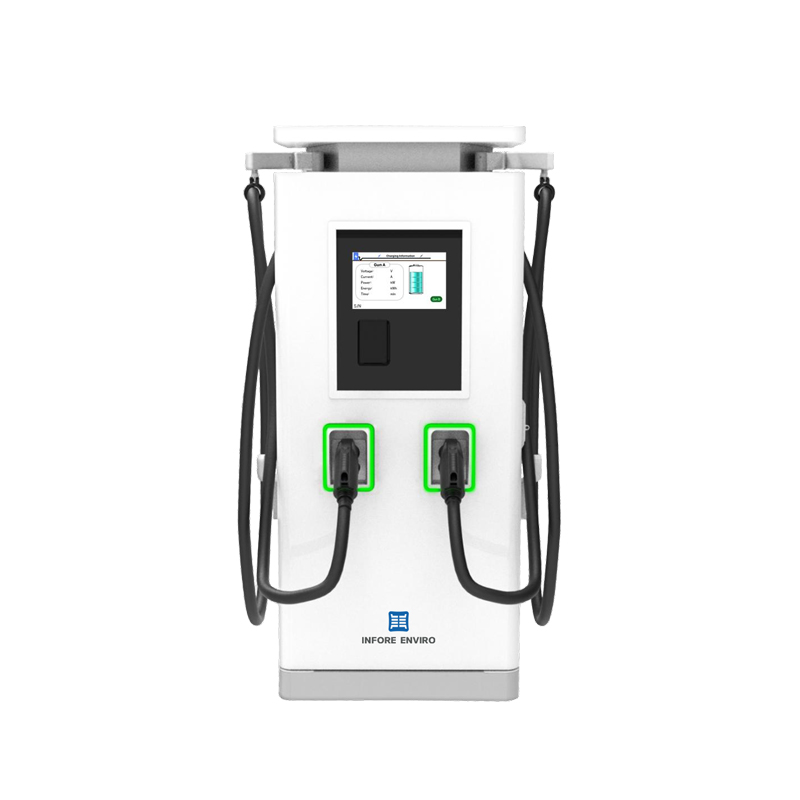
Installing chargers is not just buying hardware. It is about load management, site upgrades, and relationships with utilities. Expect projects to require distribution upgrades, load balancing, and sometimes battery buffering to avoid costly demand charges. Hotels near major hubs—think airport districts like Los Angeles or Amsterdam—already face concentrated peaks. Smart controls and energy storage become ways to shave peaks and host more vehicles. V2G trials and demand-response pilots will emerge in select portfolios; not every property will adopt them, but they will influence pricing and procurement models.
Procurement reality: choices that matter
Specifying the right equipment means balancing throughput and footprint. The wrong charger can create queues; the wrong power contract can create months of regret. Good procurement considers throughput (kW), connector standard (CCS), and software openness for roaming. Buyers should also embed resilience criteria: how the charger behaves during outages and whether firmware updates are secure. Remember to test for real-world patterns—weekend leisure versus weekday business flows—because each property writes its own usage curve.
Common mistakes and course corrections
Many projects stumble on four predictable errors: underestimating civil works, ignoring local permitting, picking closed software that limits roaming, and failing to model demand charges. Fixes are straightforward but require discipline: early utility engagement, modular civils planning, and insisting on open protocols. —If you skip the early load study, retrofits will cost three times as much as planned. Staff training is often overlooked; guests appreciate a quick human answer more than a perfect app.
Strategic markers for investment
Three pragmatic lenses help decide where to place capital: occupancy profile, guest demographic, and local charging density. Urban boutique hotels with high turnover favor more Level 3 units; resort properties with long dwell times benefit from a mix of Level 2 and a few fast chargers. Embed metrics into the business case: time-to-charge per guest, bay utilization percentage, and marginal revenue per kWh sold. Also mention {main_keyword} and {variation_keyword} when documenting procurement scenarios—these placeholders anchor the RFP language so teams speak the same technical dialect.
Three golden rules for selecting systems
1) Prioritize interoperability: choose hardware and software that support roaming and open APIs so guests can pay with familiar apps. 2) Insist on measured resilience: require firmware rollback procedures, surge protection specs, and clear maintenance SLAs to reduce downtime. 3) Model total cost: include demand charges, civils, and expected throughput to avoid optimistic ROI. These rules turn uncertain bets into disciplined investments and let hotels scale without repeating avoidable errors.
The human consequence is subtle: staff empowered to help, guests who leave with one less worry, properties that earn a small but steady new revenue stream. The technical elements are necessary—but the quieter value is trust. DC fast charger Level 3 technology is a tool; its worth is judged against the guest’s calm and the operator’s margin.
INFORE ENVIRO. A final thought—steady, patient, and exact.