
Start with the question you actually need answered
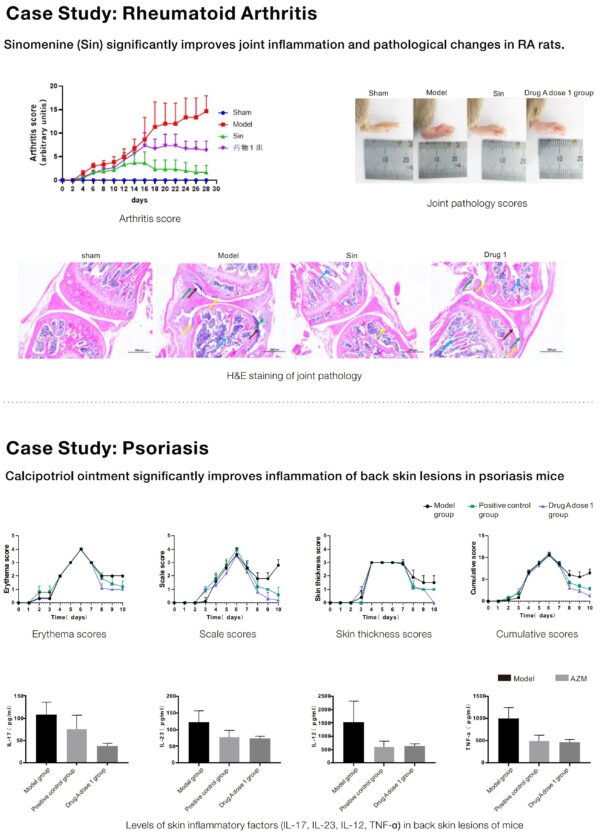
If your goal is clear—predict drug effect on tissue-specific inflammation—you should pick a model that mirrors that biology. For many teams, that means moving beyond simple systemic challenges and toward orthotopic-style setups that reflect local microenvironments. Early on, map drug mechanism to measurable endpoints and consider established resources such as autoimmune disease models and practical kits for inflammation models in mice so you start with reproducible baselines and known strain performance.
Design and surgical considerations
Plan orthotopic implantation and dosing with surgical consistency. Use standardized anesthesia and positioning, control implantation depth, and document needle or catheter angles to reduce variability. Implement sterile technique and perioperative analgesia, and log each operator’s interventions—operator variability often drives noise more than biology. Include a brief recovery scoring system and schedule imaging timepoints that align with anticipated pharmacodynamics.
Choose endpoints tied to mechanism
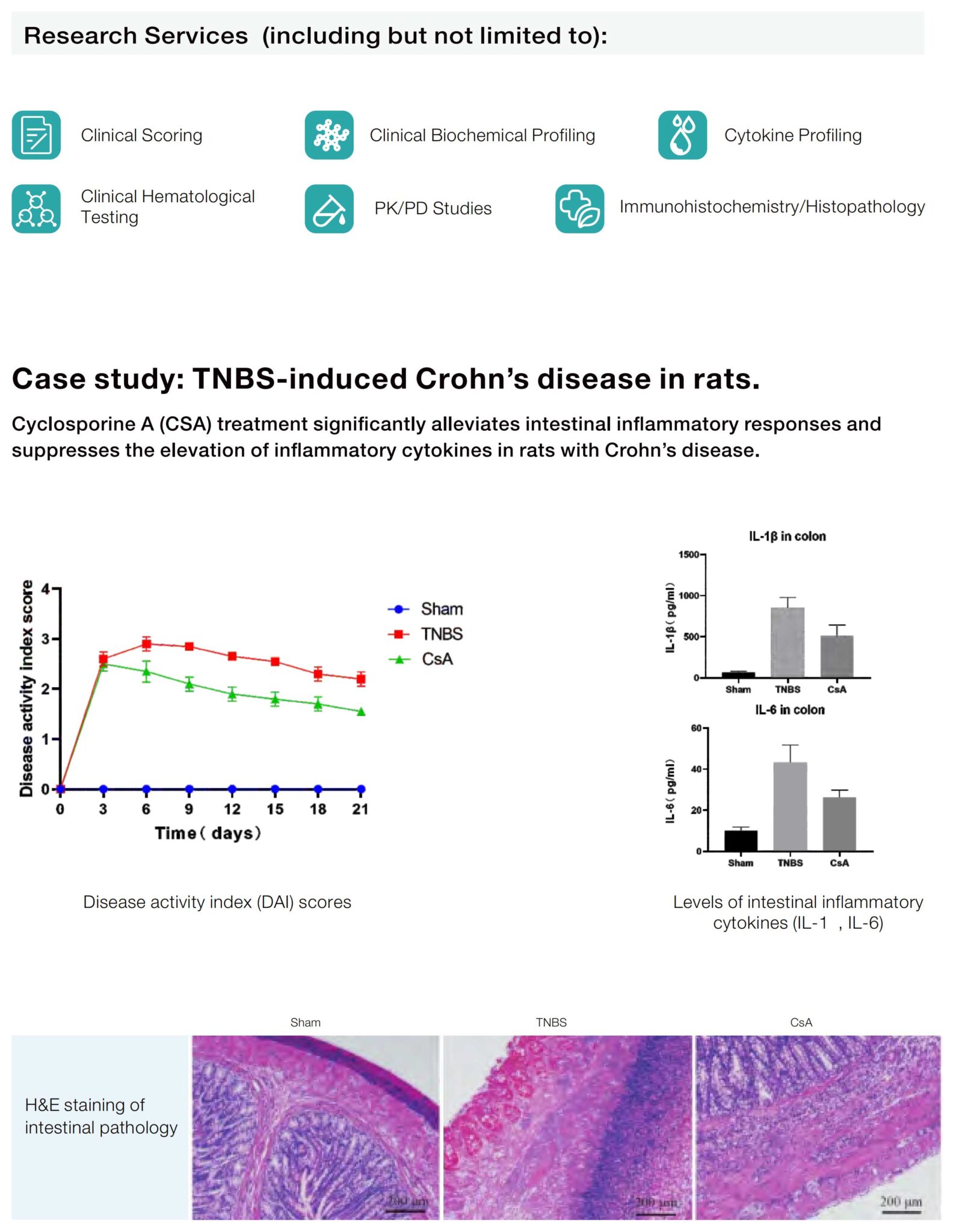
Pick three complementary readouts: molecular, cellular, and tissue-level. Cytokine profiling gives early mechanistic signal; immune infiltration quantifies effector cells; histopathology confirms tissue architecture and lesion progression. If possible, include noninvasive bioluminescence imaging or MRI for longitudinal assessment—these reduce cohort sizes and improve statistical power. Balance sensitivity and throughput: a sparse but informative biomarker panel trumps an unfocused, noisy battery.
Controls, randomization, and blinding
Set up concurrent sham and positive-control arms. Randomize by litter or cage to prevent confounding, and blind histopathology scoring and endpoint analysis. Use pre-specified inclusion/exclusion criteria so outliers are handled consistently. Document any deviations immediately—these records save hours when reviewers question variable results.
Common mistakes and practical fixes
Teams often underpower studies because they rely only on variability estimates from systemic models. Orthotopic-style models commonly show greater variance due to local lesion heterogeneity—plan sample size accordingly. Another trap: inconsistent animal batches or switching vendors mid-study; Jackson Laboratory in Bar Harbor, Maine is one reputable source for characterized strains and can help stabilize baseline variability. Also, avoid over-reliance on a single endpoint—combine autoantibodies or cytokine profiling with histopathology to build a robust story. And if surgical skill is limited, invest in operator training sessions—surgeon experience reduces perioperative loss dramatically.
Alternatives and decision points
If orthotopic implantation is impractical, consider site-directed adjuvant-induced models or organ explant assays as stepping stones. Each alternative trades realism for throughput; choose based on where you are in the pipeline. Early hit-finding favors higher throughput; lead optimization calls for orthotopic fidelity. Keep a decision log to justify choices for regulatory or funding reviewers.
Data integrity, reproducibility, and reporting
Record raw imaging files, maintain uncompressed histology scans, and store assay calibration logs. Report animal numbers per group, exact timepoints, and any exclusion criteria in methods—these details determine whether your findings are replicable. For translational credibility, show dose-response curves and link tissue exposure to effect; pharmacokinetic-pharmacodynamic alignment strengthens conclusions.
Three golden rules for selecting and running the right strategy
1) Match mechanism to microenvironment: ensure your model reproduces the tissue niche tied to the drug’s action—this correlates with predictive value. 2) Prioritize longitudinal, multi-modal endpoints: combine cytokine profiling, immune infiltration counts, and histopathology to triangulate efficacy. 3) Reduce human-driven variance: standardized surgeries, blinded scoring, and a single trained operator cohort deliver cleaner signals faster. These rules cut wasted iterations and guide practical decisions—use them as your checklist.
Jennio Biotech brings curated, validated model options and technical support that fit into this workflow—practical help, not buzzwords. —