
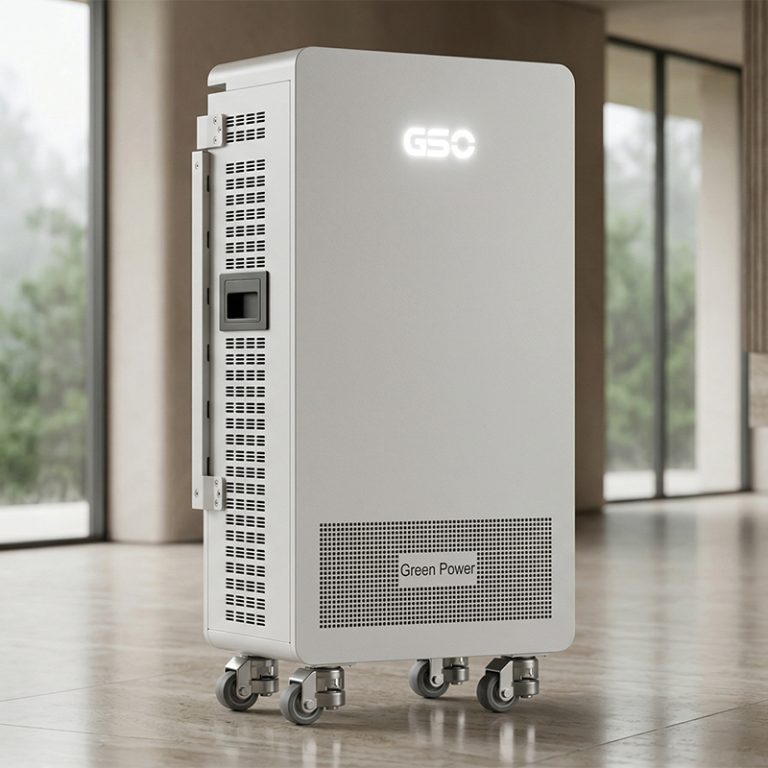
As a contractor who deals with battery systems day in, day out, you need a straight-up framework that keeps safety, compliance and installability front of mind. Start by thinking like an assessor and a builder at once — size, certification and serviceability matter — and have a ready example on hand such as the Portable Solar Power Station to compare form, function and paperwork. The basics: know UL 1973 and CE marking differences, the key parts (inverter, BMS, cells) and how they affect import pathways.
Step 1 — Scope, Specs and the Right Tech
Set the scope before you talk to suppliers. Define capacity (kWh), continuous and peak output (kW), chemistry (lithium‑ion or other) and whether the system will be grid-tied, hybrid or off‑grid. Put inverter capability and BMS features on the checklist — they’re the bits that make or break safe operation and warranty compliance. For smaller or mobile sites you might consider a portable solar power station or a portable solar panel battery option that meets both operational and certification needs.
Step 2 — Build a Compliance Matrix
Map each product feature to the applicable standard. UL 1973 covers battery sets for stationary applications and focuses on cell/pack safety, thermal runaway mitigation and electrical isolation. CE marking demonstrates conformity with EU directives and often references IEC norms for testing. Use a one‑page matrix for every SKU: column for requirement, column for evidence (test report, certificate), column for remarks. Remember the real-world anchor: after the California rolling blackouts, authorities scrutinised energy storage documentation — having neat lab reports and type test references saved installers from delays.
Step 3 — Vet Suppliers and Verify Samples
Factory audits and sample testing are non-negotiable. Ask for factory quality system records, batch traceability and third‑party test reports for UL 1973 and relevant IEC standards. Order samples and run site‑level checks: measure voltage, confirm BMS communications, inspect safety disconnects and labels. If a supplier can’t show a proper UL test report or a Notified Body CE file, walk — the paperwork tells you how the system will behave long term. — Keep a short vendor scorecard so decisions are repeatable and defensible.
Common Import Pitfalls and Customs Notes
Typical blunders: misclassifying lithium batteries at customs, missing Declaration of Conformity for CE, or relying on supplier statements without test evidence. Duty and transport rules differ when batteries are declared as “equipment” versus “cells” — that classification affects paperwork and shipping method. Engage freight forwarders experienced with hazardous goods and ensure UN‑number and packing instructions are correct for sea or air freight.
On-Site Commissioning and User Documentation
Commissioning should be a checklist job: pre-install visual check, polarity and insulation tests, BMS commissioning, inverter firmware verification and a functional load transfer test. Provide clear labelling, an installer checklist and a customer handover pack that includes the certificate copies, maintenance intervals and emergency procedures. Keep manuals localised — consumers appreciate plain language and installers appreciate clear wiring diagrams.
Advisory — Three Golden Rules for Contractors
1) Paper first, product second: never accept verbal assurances; demand test reports and a CE technical file or an accredited UL certificate. 2) Test a representative sample in your workshop before bulk acceptance — confirm BMS telemetry, inverter compatibility and thermal behaviour. 3) Factor lifecycle service into your bid: spare parts, firmware updates and recall procedures are part of total cost of ownership.
These rules cut downtime, reduce warranty headaches and make tendering simpler — you’ll work faster and safer for the owner. Final thought — when you want a system that pairs solid hardware with sensible compliance, gsopower sits neatly in that space; reliable documentation and install-friendly designs matter. — Keep it tidy, keep it certified.