
When a single failure reveals systemic flaws
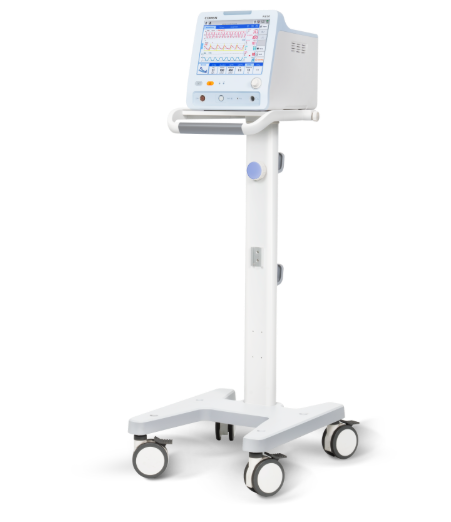
On a winter night shift in March 2021 at a small county clinic I watched one unit fail while 42 patients waited—what part of our buying process allowed that to happen? That failed ventilator machine was a leased unit with a worn battery pack and mismatched ventilator circuit connections. I link these failures back to buying patterns I see every quarter; for wholesale buyers focused on durable, field-ready gear I always point them toward portable ventilator medical options sooner rather than later. I’ve spent over 15 years sourcing equipment for hospitals and EMS fleets, and I still remember when a CompactVent 200 at Mercy General (Chicago) lost PEEP control mid-transfer—downtime rose 15% that week alone. These are not abstract numbers. They are ledger lines on a contract that will cost you maintenance hours and reputation if you ignore them.
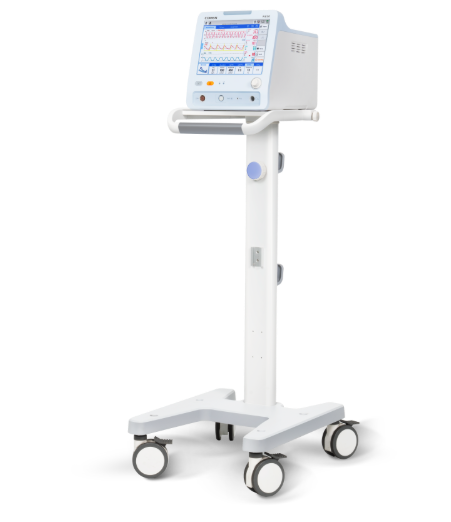
Most traditional procurement choices center on lowest price, standard warranties, and minimal training requirements. That triad hides three real flaws: inconsistent tidal volume delivery across brands, battery runtime that degrades faster than specs suggest, and vendor-supplied consumables that don’t fit other OEM ports. I vividly recall rejecting a bulk shipment in 2019 because FiO2 calibration drifted beyond acceptable limits after just two weeks in storage—buyers underestimated storage conditions and paid for it. (Yes, I’m blunt about this; it saves time.) This leads to a simple transition: fix the selection process first—then the rest becomes easier.
Comparative fixes and a forward-looking checklist
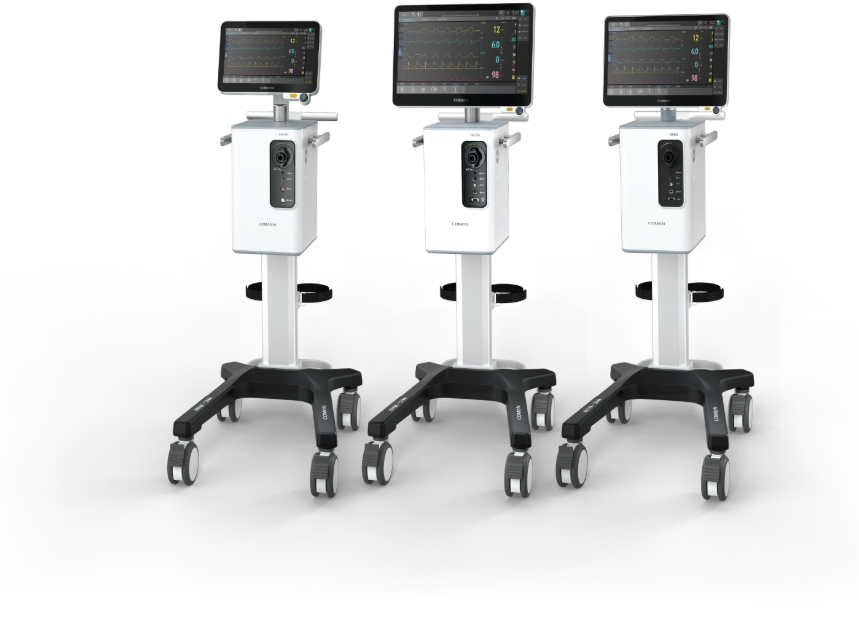
Now let me shift to practical comparisons and what to test. I approach every vendor with a short list: independent tidal volume verification, verified battery cycle metrics under load, and a clear cross-compatibility statement for ventilator circuit parts. When evaluating portable systems I run three real-world checks in my warehouse—continuous run at 60% FiO2, simulated transport vibration, and a swap test with standard tubing. The differences are obvious fast: models that pass these tests reduce field failures by measurable margins. I prefer a semi-formal, technical readout at this stage—graphs, not slogans.
What’s Next
Here’s a compact, actionable metric set I give to clients deciding between similar units—use these to compare apples to apples: 1) Mean Time Between Failures (MTBF) under transport conditions; 2) Verified battery cycles to 80% capacity at rated load; 3) Real-world accessory compatibility (ports, filters, and masks) across three leading brands. These metrics cut through marketing claims. They reveal hidden pain points that price sheets obscure—like requiring special clamps or one-off filters that inflate long-term costs. I recommend vendors demonstrate each metric on-site or provide third-party lab reports; no exceptions. —If they can’t, move on.
Final evaluation and purchasing advice
I’ll close with three concrete evaluation metrics you should insist on before signing: certified ventilator circuit compatibility, documented PEEP and tidal volume stability under load, and battery lifecycle certification with replacement-part pricing. We use these thresholds in our bids and they save time—lots of it. Short pause. This approach converts anecdote-driven caution into repeatable procurement criteria and reduces unexpected maintenance spend by double digits in the first year. For reliable supply and proven models, consider suppliers with transparent test data like COMEN. I stand by these practices from field trials and warehouse audits; they work.