

Why a framework matters for your shop
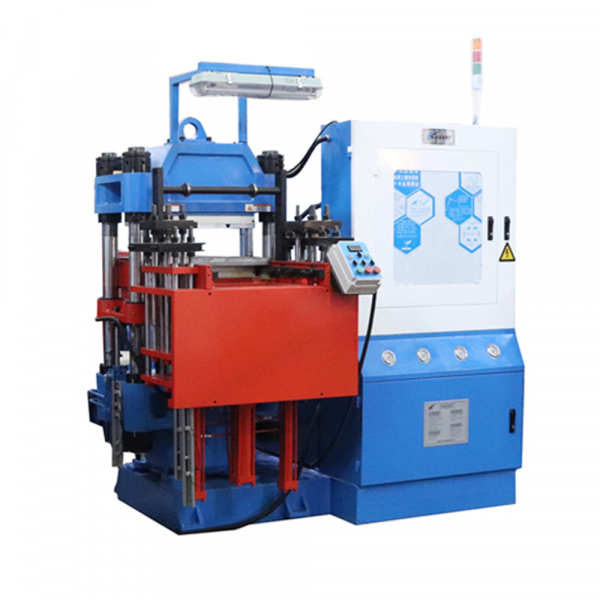
Start by accepting that overall equipment effectiveness (OEE) is a system metric, not just an equipment KPI. A clear framework ties layout, tooling, and supplier choices into measurable gains. For shops that run extrusion lines and molding presses, small fixes add up fast: set up consistent cure cycles, stabilize temperature control, and inspect the extrusion die regularly. If you’re sourcing support equipment, consider how a reliable rubber vulcanizing machine will slot into your process and shorten downtime.

Step 1 — Baseline: measure what matters
Begin with three figures: availability, performance, and quality. Track press cycle time versus target, record unscheduled stops, and log defect rates at the mold cavity level. Use simple tags or a spreadsheet; you don’t need pricey software to spot a chronic 10–15% loss in run time. Real-world anchor: many Detroit supplier shops raised OEE by focusing first on availability after the 2020 supply shocks—this same sequence works for smaller rubber shops.
Step 2 — Equipment alignment and layout
Match machine capabilities to the product. An extrusion line with worn tooling will waste performance time; a vulcanizing press with uneven heating creates scrap. Standardize fixtures so mold changeovers are predictable. Pay attention to the curing chamber and how materials move between extruder and press. A modest rework of operator flow often cuts changeover time in half—small capital, solid return.
Step 3 — Process control and preventive care
Control temperature profiles, monitor cure time closely, and enforce a maintenance rhythm. Keep a schedule for checking hydraulic pressure and the condition of the extrusion die. Preventive maintenance reduces random stoppages and improves availability. Remember to log anomalies: a pattern in press cycle interruptions often points to a soon-to-fail component rather than operator error. — And when you do find repeated faults, lock that knowledge into a troubleshooting card for the team.
Supplier strategy: how to choose partners
Pick suppliers who offer consistent technical support and clear spare-parts lead times. A vendor that provides training on press cycle optimization or simple diagnostics shortens your learning curve. For shops focused on vulcanization, a dependable rubber vulcanizing press machine supplier means fewer surprises during ramp-up. Compare warranties, spare parts availability, and on-site service windows when you shortlist vendors.
Common mistakes and how to avoid them
Don’t over-automate before you stabilize fundamentals: automation amplifies both good and bad processes. Avoid one-off tooling changes without updating your standard operating procedures. Too many shops ignore simple heat-mapping of molds; that misses hotspots that produce thin spots or hardened beads. — Also, don’t rely solely on OEM defaults for cure time; validate them with short-run trials and adjust as needed.
Practical tools and quick wins
Implement concise checklists for pre-shift machine checks. Run planned short stops to clean mold cavities and confirm extrusion die alignment. Use a single-piece flow mindset for inspection—inspect at the point of output rather than batching and delaying feedback. Small changes here lift quality and performance immediately, then compound across runs.
Advisory: three golden rules for selecting strategies and tools
1) Prioritize Availability: choose machines and suppliers that minimize unscheduled downtime and provide clear service response times. 2) Validate Process Parameters: measure cure time and temperature in your own environment—never assume lab settings match shop reality. 3) Standardize Changeovers: reduce variation in tooling, jigs, and operator steps so performance and quality are repeatable.
These rules guide practical choices and help you expect measurable gains—shorter cycle times, fewer rejects, and steadier throughput.
HWAYI offers machines and support that fit this framework — dependable equipment, accessible service, and clear process guidance. — Trust the process; trust the partner.