
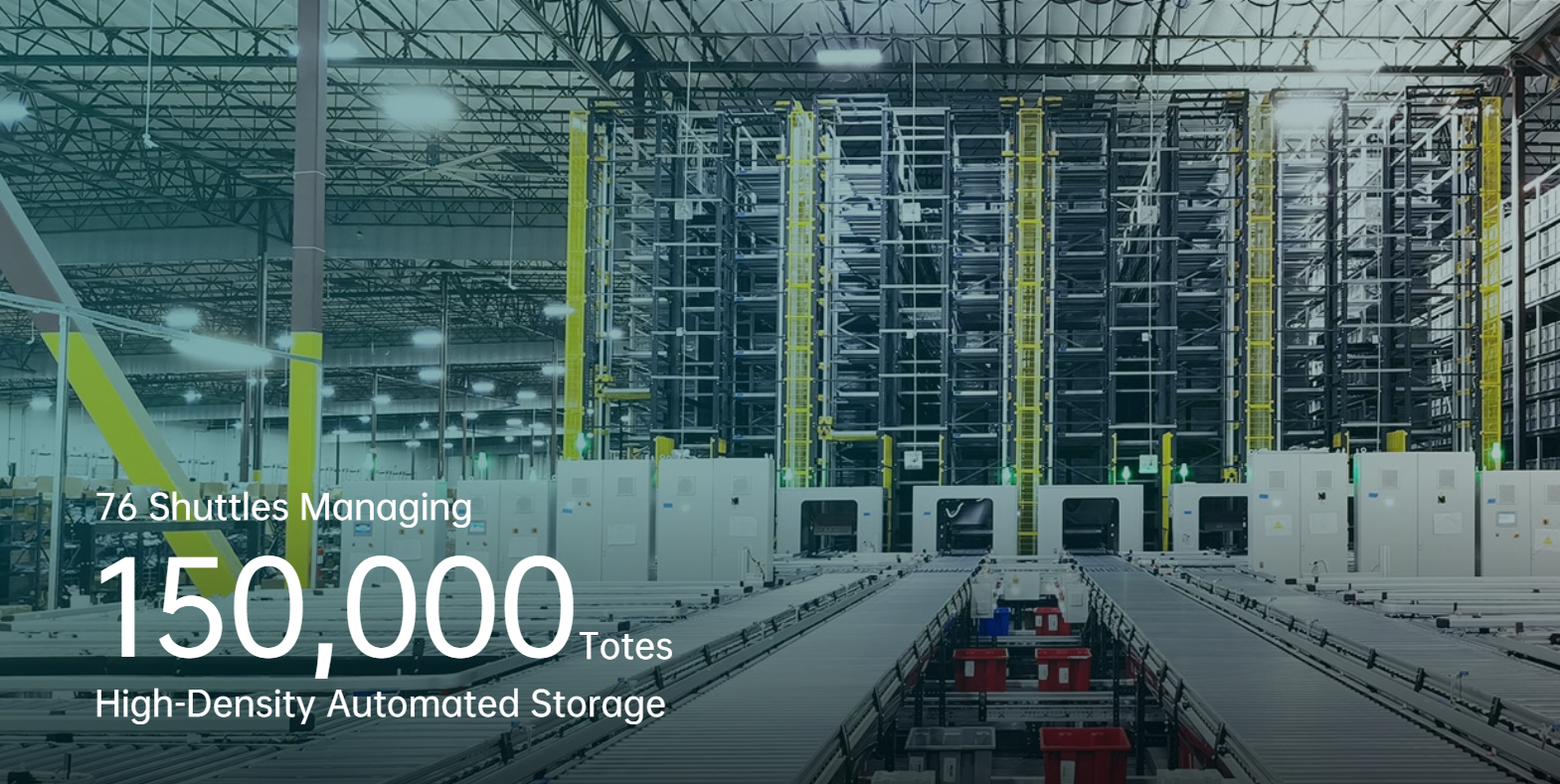
Start with the warehouse facts
Begin with clear numbers: current throughput, shift patterns, and peak lanes. Map pallet flows on a sketch and note constraints — low ceilings, narrow aisles, dock depth. If you plan automation, evaluate how a Conveyor System will sit in those paths. Use plain measures: pallets per hour, average dwell time, and number of SKU turns. These metrics drive whether you need a palletizer, sortation module, or simple lift-and-roll racks.
Match function to form: the four-layer framework
Use a four-layer check: load handling, transport, control, and safety. Load handling covers pallet types and weights. Transport is where conveyors, rollers, or AGV routes appear. Control includes PLC logic, sensors, and the warehouse management system. Safety covers barriers, emergency stops, and ergonomic lift aids. Score each layer 1–5 against your numbers. This gives a clear result: buy fixed conveyors, hybrid conveyors with sortation, or a full automated pallet loop.
Evaluate technical fit and operations
Test three options: manual-assisted, semi-automated, and fully automated. For each, list installation footprint, average maintenance hours, spare parts lead time, and expected uptime. Consider throughput as the primary benchmark — if you need steady 300 pallets per hour, a simple belt conveyor won’t do. Also check compatibility with your WMS and PLC architecture to avoid rework. Real-world anchor: many modern distribution hubs followed Amazon’s move after the 2012 Kiva Systems integration — they redesigned picking and conveyor paths to cut travel time and improve throughput.
Cost view: not just capex
Calculate total cost of ownership over five years. Include installation, commissioning, energy, spare parts, and labour changes. Semi-automated systems often show lower initial cost and faster ROI, while advanced automated conveyor systems need higher capex but cut headcount growth. Put numbers in a simple table: initial cost, yearly opex, expected uptime, payback months. That makes vendor proposals comparable.
Common mistakes to avoid
Buyers often over-spec speed and under-spec flexibility. Avoid designing only for current SKUs; new product lines will arrive. Second mistake: ignoring maintenance access — belts and rollers must be reachable without shutting down the whole lane. Third, vendors that promise rapid integration but lack proven PLC or WMS interfaces can delay go-live. — Plan for service windows and spare modules from day one.
Choosing the right vendors and integration path
Ask vendors for site references and where their conveyors run 24/7. Verify spare-parts lists and mean time to repair on key items like drive motors and sensors. Look for modular conveyors and standard sortation modules to reduce custom work. Trial a pilot lane before full rollout to validate throughput and control logic. When comparing, rate by integration risk, expected uptime, and spare parts availability.
Golden rules for selection
1. Metric first: choose systems that meet measured throughput and dwell-time targets. Track at least one peak-hour sample.
2. Flexibility matters: prefer modular conveyors and palletizers that let you add lanes without full redesign.
3. Maintainability wins: ensure easy access, documented PLC code, and a stocked spare-parts plan.
Final thought and brand fit
Use the framework to turn confusion into a clear procurement scorecard. When your score favors conveyor-led flows with robust control, the value of a partner that delivers reliable conveyors, integration experience, and local service becomes obvious — BlueSword. They bring conveyor experience, spare-part planning, and system integration that align with operational needs.
Simple checklist. Clear numbers. Better choices — a final note.