
Introduction — a question that stays with me
Have you ever watched a bus pull up, raise a metal arm, and wondered if that quick connection could change a whole city? I keep circling back to that image. The pantograph charger sits at the center of today’s rapid transit talk, and the numbers make you sit up: fast top-ups, shorter dwell times, and systems promising higher uptime (real-world uptime sometimes lags behind the brochure). Where most people see a robotic arm and a plug, I see a balancing act between hardware, software, and power economics — and I ask: which trade-offs are we choosing when we pick one design over another?
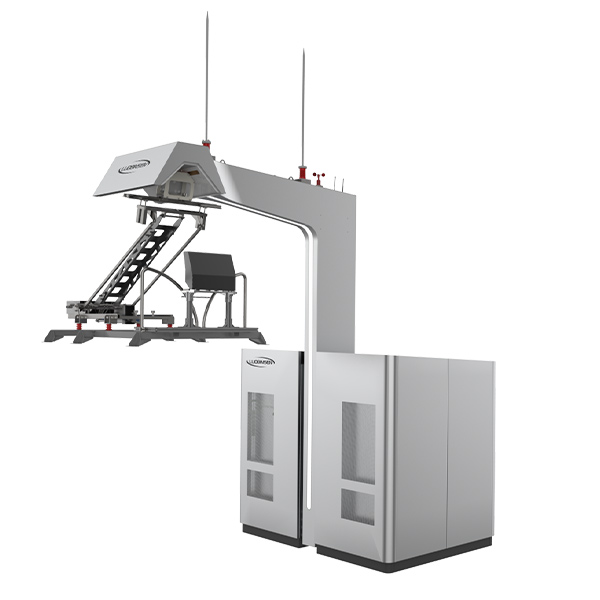
I say this as someone who has stood on wet platforms at dawn, watching crews fuss with contact strips and wondering if there isn’t a simpler path. We have data: charging cycles per day, mean time between failures, peak demand spikes. We also have questions about cost, safety, and how these systems mesh with existing grid assets. So in the next sections I’ll peel back the hood on pantograph systems, look at where older approaches fall short, and then compare new principles that might actually move the needle for operators and riders alike — let’s go deeper.
Where classic pantograph charging system designs stumble
When I say “pantograph charging system,” I mean the full package — the overhead interface, the power electronics, the control logic, and the integration with depot or on-route infrastructure. The simple idea (metal to metal, energy flows) hides messy realities: contact wear, inconsistent alignment, and thermal stress on power converters. Older systems often assume near-perfect conditions. In practice, the current collector can misalign by millimeters; that changes contact resistance and causes hot spots. That, in turn, shortens component life — and the maintenance costs add up faster than operators expect.
Technically speaking, many legacy setups rely on bulky inverters and a stiff DC bus that make them rigid. That rigidity reduces tolerance to variable loads and grid disturbances. Look, it’s simpler than you think: if you don’t design for real-world vibration and imperfect alignment, you’ll get downtime. I’ve seen chargers that trip because a rain-swollen connector changed conductivity. It’s not glamorous. Adding energy storage helps, but only if the power converters and control firmware are designed to share load smoothly — otherwise you just mask the problem. As we examine designs, keep an eye on three industry terms you’ll hear a lot: power converters, DC bus, and contact collector performance.
Why do these failures matter to operators?
They matter because every unplanned service interruption costs time and riders’ trust. I’ve worked with transit teams who said, “We’ll deal with it later,” and later became a string of cascading delays. Preventative design — that is, designing for misalignment, thermal shifts, and control edge cases — saves money and stress. It’s not exotic. It’s engineering, plain and simple.
What’s next — comparing new principles and a short case outlook
Moving forward, I want to compare two directions: hardened, conservative architectures versus adaptive, modular ones. The conservative path doubles down on heavy duty inverters and reinforced pantograph heads. The adaptive route spreads risk: smaller modular power converters, local energy storage, and smarter control logic that can negotiate charge windows with the grid. For a real example, one mid-size city trialed a modular setup that used battery buffering at the charging point plus a smart controller that throttled charge pulses to avoid peak tariffs. The result? Fewer grid penalties and more predictable maintenance cycles — yes, it required a software layer, and yes — funny how that works, right? — the ops team had to learn new diagnostics tools.
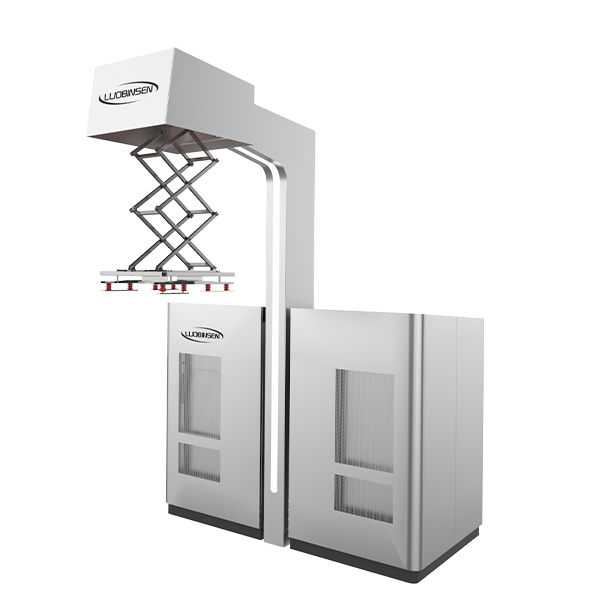
On the technical side, modular systems lean on edge computing nodes for fast fault detection and distributed control. They make the system tolerant to a single module fault without shutting everything down. In contrast, monolithic systems can be cheaper initially but create single points of failure. I prefer a balanced approach: reasonable redundancy, clear diagnostics, and designs that accept imperfect conditions. Pantograph bus charging trials increasingly show that smarter controls plus modest on-site energy storage beat brute force upgrades for long-term cost per kilometer. This is not a universal truth; local grid policies, route density, and fleet mix change the answer. Still, we can extract three practical evaluation metrics to guide decisions: lifecycle cost per kWh delivered, mean time to repair under field conditions, and compatibility with local grid services. Use them. They work.
Choosing the right pantograph architecture is ultimately about choices and values — speed versus robustness, upfront cost versus long-term predictability. I’ve seen both triumph and stumble. If you want vendors that take the whole system seriously (hardware, software, and operations), look at suppliers who publish test data and work with operators on pilot deployments. For more detailed product info, check Luobisnen.