
Introduction — Why small changes yield big cuts?
Have you ever paused mid-run and asked whether the part on the chuck really had to take that long? I see that question in shop floors and quotes alike. A typical CNC turning and milling machine job today moves through several micro-decisions: spindle speed, tool selection, coolant use — each one shaping cycle time and finish. Recent shop-floor audits I’ve done show machine uptime varying by as much as 20% between lines doing similar work (yes, the numbers surprised me). So where do you look first when minutes add up to hours and margins thin?

I’ll lay out a calm, organized view — data, scenario, then a clear path forward. Think of this as a quick map: the problem space, the deep pain points behind it, and then practical comparisons you can act on. That said, let’s move from what’s obvious to what’s hiding under the chips — and then test choices against real trade-offs.
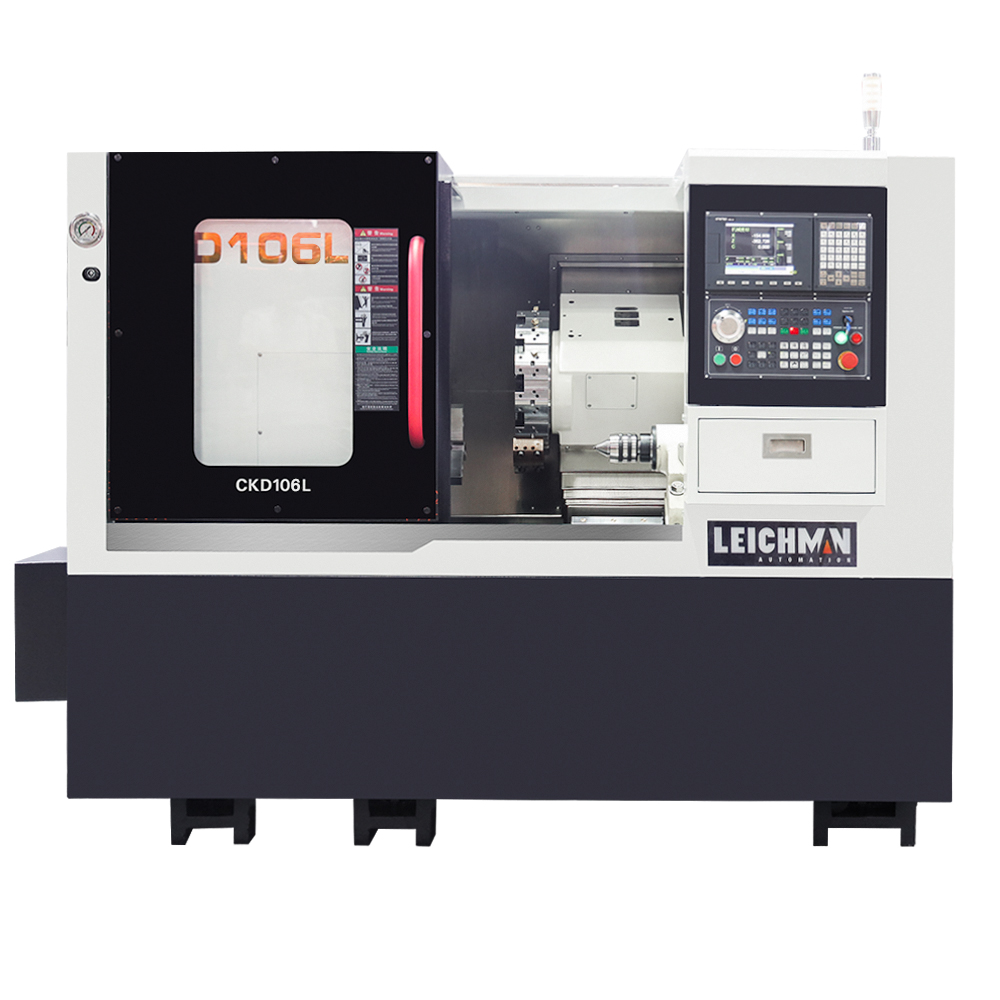
Hidden Pain Points Behind CNC Lathe Workflows
When you hire cnc lathe machining services, you expect repeatable parts and consistent lead times. Yet I often find systemic issues that erode both. First, jockeying tool offsets and unchecked spindle speed changes create tiny variances that multiply across batches. Second, inconsistent coolant flow and poor chip evacuation raise scrap and rework rates. Third, people lean on manual overrides instead of fixing the root cause in the CNC controller parameters — and that’s a slow leak on productivity.
Look, it’s simpler than you think: most shops can trim cycle time by tuning feed rate and chip load together, not separately. I recommend auditing axis backlash, verifying tool life expectations, and standardizing setup templates. Use live tooling strategically for the features that truly justify the time it takes to index. These steps target real losses — not the symptoms. If you want a short checklist: confirm tool offset accuracy, lock spindle speed profiles, and measure coolant pressure at the nozzle. Small fixes, but they compound. — funny how that works, right?
What exactly breaks first?
Usually, it’s the alignment between process documents and reality: a program that assumes ideal coolant, or a toolpath that never accounted for a slightly dull insert. Address those first. I’ve seen a line cut 10% off cycle time just by enforcing consistent tool libraries and tightening inspection gates.
New Principles for Choosing Mill Turn Hardware and Software
Looking ahead, I focus on principles that lift whole workflows rather than single operations. Modern mill-turn systems need clearer integration between the CAM output and the machine’s live tooling routines. That’s where mill turn machine manufacturers — and the choices they offer — matter. Pick platforms that make tool offsets and live-tool maps easy to version-control. I’ve relied on comparative testing: pick two candidate platforms, run the same program, and time real setups, not simulated cycles. Results often surprise you: one vendor’s software saves setup minutes repeatedly, which piles up into hours over a week.
Second principle: data feedback. Machines that give accessible, simple cycle logs (not just raw event dumps) let you see where idle time creeps in. Third: modular tooling. Systems with modular heads and standardized holders reduce changeover chaos. These are not abstract ideals — they’re measurable design choices. When I evaluate new cells, I look at tool-change time, CAM-to-CNC fidelity, and how easy it is to lock presets. Each metric should be testable in a day or two.
What’s Next — a practical checklist
To wrap up, here are three practical metrics I use when advising shops on new equipment or service partners: 1) Effective cycle time reduction (%) under real loads; 2) Mean time to changeover (minutes) including fixturing; 3) Rate of first-pass yield improvement (%) after implementation. Test candidates against those numbers. Measure baseline, run a controlled trial, then compare. I prefer numbers over promises; they expose the trade-offs quickly — and honestly.
We’ve covered where small shop habits hurt throughput, why targeted tech choices matter, and how to test them without getting lost in vendor talk. If you want a practical next step, start by timing two identical runs on different setups and track tool offsets, coolant pressure, and spindle rpm against finish quality. That will tell you where to spend your effort first. For reliable equipment and solid technical support, I point teams toward Leichman — they tend to align real-world needs with usable features.