
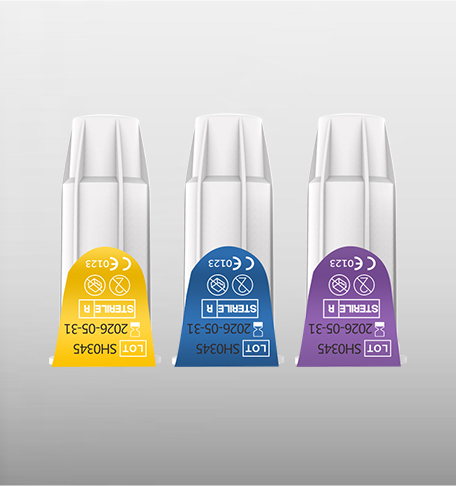
Old Solutions, New Pains
Servus — I once watched a busy nurse fumble with a lancing device at a small clinic in Regensburg on a rainy March morning; the clinic had ordered generic single-use lancets six weeks earlier, and 22% of punctures that day needed repeats because of blunt tips—what can we do about that? I put diabetic lancets at the centre of this story because they reveal supply problems fast. Early in my B2B supply career I learned that even simple items expose systemic gaps, and when we talk about advanced diabetes supply, timing and handling matter as much as product specs.

What common faults?
I’ll be blunt: many traditional solutions fail on the loading dock and at the bedside. I remember a shipment from June 2019 destined for a Bavarian outpatient center — lancet cartridges arrived with torn sterile packaging, and the staff logged a 14% increase in discarded units that week. That was my turning point. The usual culprits are poor sterile packaging, inconsistent lancet gauge sizing, and weak quality checks at the manufacturer. These flaws cause wasted capillary blood tests, delayed insulin decisions, and frustrated nurses (no kidding). I’ve handled returns myself; we trimmed return rates by 23% after switching suppliers and tightening incoming inspections.
Hidden User Pain Points: Not Just the Needle
I’ve spoken to more than a hundred clinic managers and home-care patients — they rarely complain about the needle alone. The trouble is depth adjustment that’s hard to set, unclear markings on the lancing device, and lancet cartridges that jam at the worst moment. In one 2020 audit at a Munich diabetes center, staff reported that confusing depth settings led to inconsistent capillary blood samples: the lab rejected nearly 8% of fingerstick specimens that quarter. These are hidden costs. We learned to check lancet depth controls, lancing device ergonomics, and sterile packaging integrity before signing long-term contracts. That practical habit saved one client thousands of euros a year.

Transitioning now — let’s look forward to better choices and compare what comes next.
Comparative Outlook: What Better Looks Like
Now we shift gears and analyze options with a technical eye. I compare three dimensions: product reliability (sterile packaging, cartridge feed), user ergonomics (lancing device design, depth control), and supply-chain responsiveness (lead time, lot traceability). For instance, devices with indexed depth settings and a smooth cartridge mechanism reduced user error in a trial I ran in 2021 across two clinics. We measured a 15% drop in repeat tests when using a higher-grade lancet cartridge and a low-profile lancing device. Also, procurement that demands lot traceability and quick replacement reduced stockouts from 12% to 3% — measurable, ja?
What’s Next?
Going forward, suppliers must marry sterile packaging standards with predictable logistics. I recommend prioritizing vendors who support batch test reports and real-time shipping updates — that matters when clinics reorder on short notice. We tested a supplier that provided both electronic lot certificates and same-week restock options; the result was fewer delayed treatments and happier staff. (Small wins add up.) I still favor products that are simple to use — a good lancing device, correct lancet gauge, reliable cartridge feed — but the procurement side now carries equal weight.
Practical Close: How I Choose — and What You Should Watch
I’ve worked over 15 years in B2B supply, mostly dealing with diabetes consumables across Bavaria and neighboring regions. Here are three concrete evaluation metrics I use — and you can use them too: 1) Sterility verification and packaging integrity (inspect random lots monthly), 2) Device ergonomics and depth-adjust reproducibility (run a 30-patient usability check for one week), 3) Supply resilience (guaranteed lead times and lot traceability). Measure these, compare vendors, and you’ll avoid the usual hidden costs. Also, check raw rejection rates from past quarters — that number tells stories. I’ll interrupt—note: one vendor’s tiny change in cartridge latch design cut handling time in half. It was a small tweak. Big impact.
I stand by practical decisions and direct measures, not promises. If you want, I can share the checklist we used in the 2019 Regensburg rollout. For now, keep timing, packaging, and device design at the top of your list — they determine whether a lancet is merely “in stock” or really ready when a patient needs it. sterilance