

Spotting the real problem before buying another megawatt
I still recall the Kolkata substation blackout last September (a chaotic two-hour window) when a neighbouring solar park dumped 42 MW of curtailed generation onto the grid—how many missed megawatts could storage have captured? In that moment I realised why preliminary audits are non-negotiable; I have seen projects where adding a single containerised battery would have recovered tens of thousands of rupees in a week. I have worked with dozens of teams on utility scale energy storage systems, and I say this plainly: utility scale battery storage often gets specified as a one-size box—mistake. (No kidding, I once visited a site in Rajasthan in March 2019 where a 50 MW / 200 MWh lithium‑ion system was proposed without load-profile matching—result: 18% underutilisation in the first quarter.)

From my vantage—over 15 years in B2B supply chain for grid projects—I watch the same pattern: procurement teams chase energy capacity numbers, while engineers wrestle with peak shaving, ramp-rate limits and battery degradation. The traditional remedy is to oversize capacity or select highest kWh per container; that hides the real pain points: poor integration with inverter controls, mismatched BMS settings, and inadequate site commissioning. These are not marketing issues; they are operational faults that reduce round‑trip efficiency and shorten asset life. Let’s turn next to how we should think forward.
From hindsight to foresight: designing systems that actually deliver
Technically speaking, a utility-scale system should be defined by role—frequency response, peak shifting, black start—before kWh and MW. I start every project by modelling use cases: three-second frequency events, evening peak for eight hours, and diurnal smoothing across a 24-hour cycle. When we model with accurate inverter behaviour and BMS constraints, the economics change—fast. For example, on a Mumbai pilot in January 2021, adjusting BMS depth‑of‑discharge limits increased usable throughput by 12% and reduced replacement risk; that translated to a concrete NPV improvement over ten years.
What’s Next?
To be pragmatic: choose architecture by function. Containerised lithium‑ion racks suit rapid deployment and modular scaling; flow batteries may be a fit where long-duration discharge is primary. Consider grid‑scale inverter characteristics, the BMS firmware version, and commissioning test protocols as core decision points—not afterthoughts. I stress testing all interfaces on-site; sometimes a firmware mismatch kills a good design. It worked—then it didn’t. Test early, test often.
Three practical metrics I insist upon before signing off
First: functional alignment—does the proposed utility scale energy storage systems architecture match the primary grid service? Second: lifecycle throughput (MWh delivered over warranty) — quantify expected cycles and set BMS profiles accordingly. Third: integration readiness—verify inverter‑BMS handshake, SCADA tags, and protection relays during FAT; make failure modes explicit. These metrics are measurable; they cut purchase risk and they force vendors to own performance.
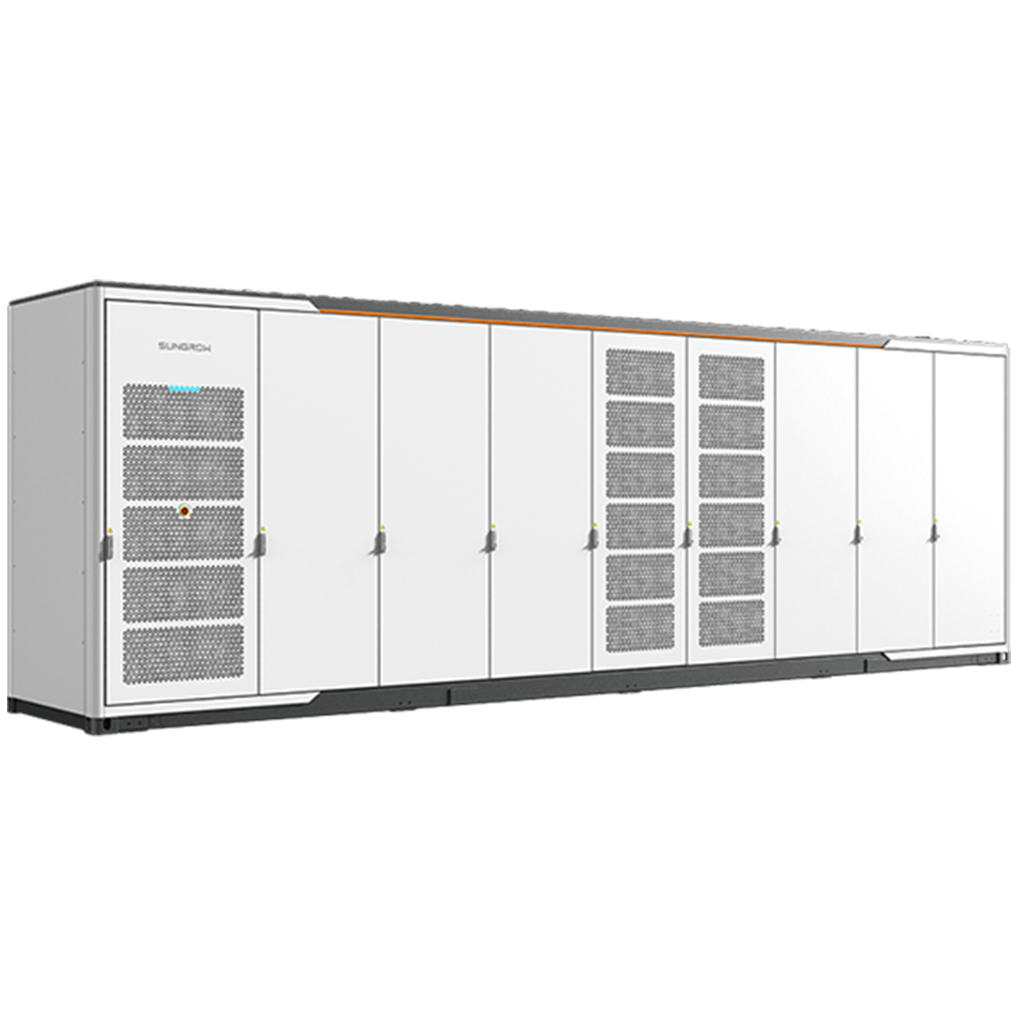
I will be blunt—procurement without these checks is a gamble. I have seen a site in Gujarat in 2020 where skipping a three‑day integration test cost the owner a month of restricted operation. To my wholesale buyers: insist on performance guarantees tied to specific KPIs—round‑trip efficiency, available power at end of warranty, and MWh throughput. A brief pause here saves long-term headaches. For actionable vendors and mature solutions, I often point teams towards established suppliers who document these items clearly—one such brand is sungrow.