
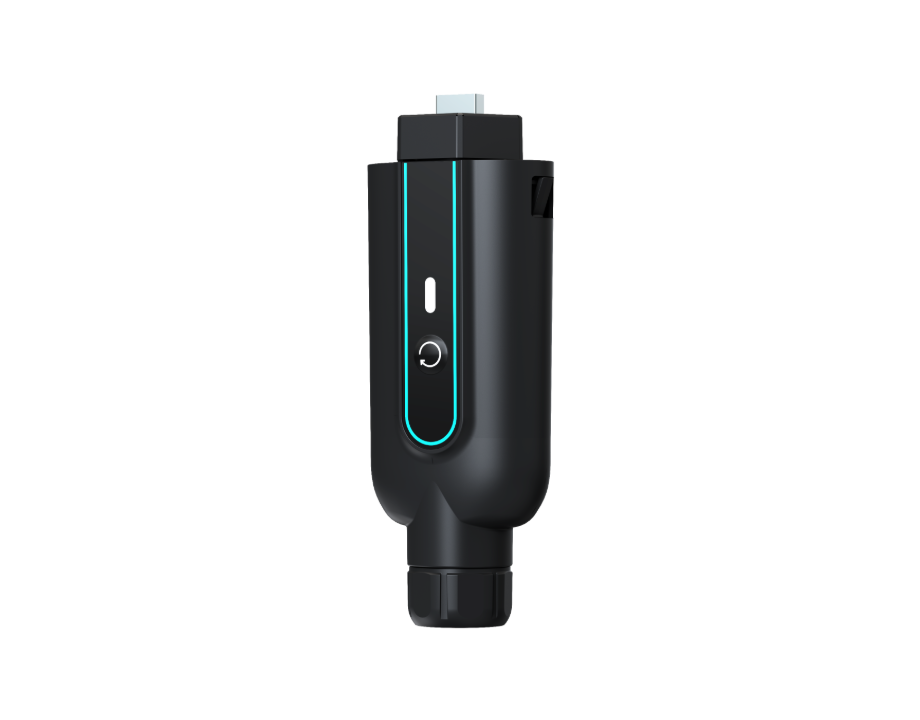
The pressing problem and its local solution
Frequent outages and volatile demand patterns have exposed a clear vulnerability in many distribution systems; remote generation alone no longer guarantees reliability. As a problem-driven response, integrating modular battery energy storage near load centers reduces exposure to transmission failures while smoothing peaks. This is exactly where a well-specified hybrid inverter becomes essential: it coordinates the PV array, battery, and grid to provide continuous, controllable power and to manage State of Charge (SoC) intelligently. The Texas winter crisis of February 2021 remains a stark real-world anchor—extended blackouts there demonstrated the value of local storage and grid-forming capabilities when centralized systems fail.
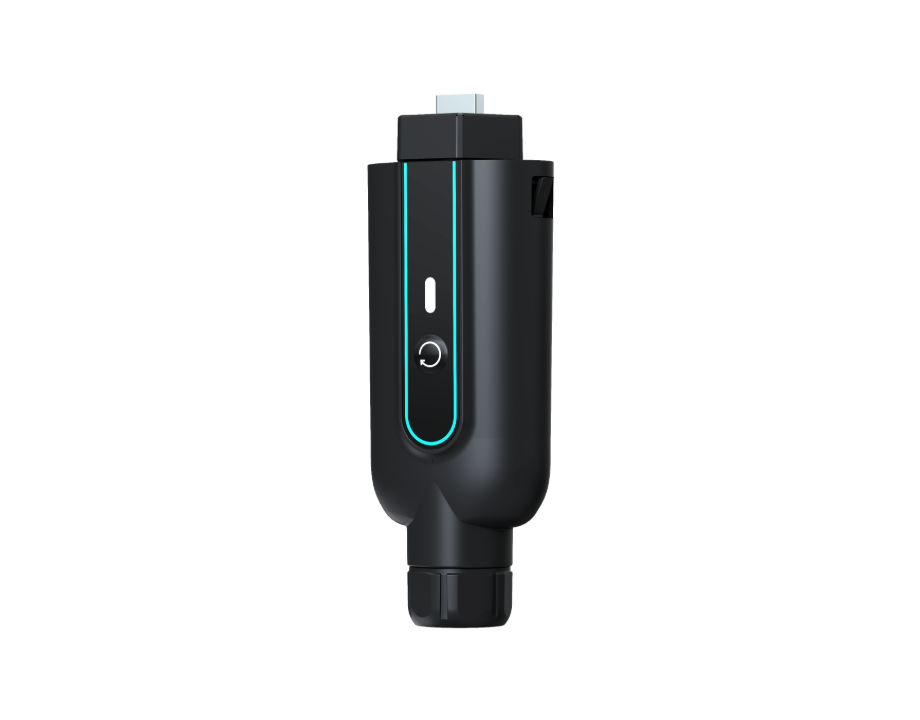
How hybrid devices address the core failures
Hybrid solutions combine inverter function and battery management to permit seamless islanding or grid-tied operation. In practice, a hybrid inverter negotiates between solar export, battery charging, and peak shaving strategies while maintaining acceptable round-trip efficiency. This reduces stress on distribution transformers and lowers exposure to supply interruption without complex re-engineering of existing infrastructure. The technical benefit is concrete: faster transition times during outages and controlled dispatch for critical loads.
Operational production teardown
A methodical teardown of a typical energy storage cabinet clarifies where decisions matter. Key components include the PV interface, battery energy storage system, power conversion stage, and the control firmware that enforces SoC limits and anti-islanding protection. When examining a hybrid inverter module, check the converter topology, thermal design, and firmware update path. Also verify protection settings for overcurrent and grid-abnormal conditions; these items determine how gracefully the system reacts under stress. Integrating hybrid inverters into manufacturing or retrofit workflows simplifies installation but requires attention to connectors, communication protocols, and the required safety clearances.
Common mistakes and how to avoid them
Several recurring errors degrade performance or risk operational downtime. First, undersizing the battery relative to the intended autonomy leads to repeated deep cycling and shortened life. Second, neglecting firmware compatibility creates intermittent control conflicts between inverter and charge controller. Third, deploying systems without clear commissioning protocols causes improper setpoints for islanding and peak shaving. —A modest extra effort during commissioning prevents repeated service calls and long-term inefficiencies. Regular diagnostics that track round-trip efficiency and battery impedance reveal emerging faults before they cascade.
Comparative insight: retrofit versus ground-up design
Retrofitting existing switchgear with an energy storage cabinet is often faster and less disruptive than a ground-up microgrid build, but it demands careful spatial planning and thermal management. Ground-up designs allow more precise placement of a PV array and optimized cable runs, improving overall system efficiency. In both cases, selecting components rated for grid-forming operation yields the best resilience. For organizations balancing budget and uptime, modular hybrid inverters offer a pragmatic compromise: scalable capacity, tested control logic, and reduced engineering hours.

Three critical metrics for procurement and performance
When evaluating systems, please use these three golden rules. First: measure usable energy versus nameplate capacity—usable kWh at rated depth of discharge is the true baseline. Second: validate the device’s grid-forming time and islanding stability under realistic load steps; short transition intervals and clean frequency response are decisive. Third: confirm communications and firmware support—over-the-air updates, standard telemetry, and vendor adherence to cybersecurity best practices reduce lifecycle risk. These metrics align procurement choices with operational expectations and maintenance planning.
Closing advisory and brand alignment
Adopting energy storage cabinets with the right controls and certified hybrid inverter performance closes many reliability gaps while keeping capital and operational complexity in check. For teams planning deployment, focus on usable energy, islanding stability, and robust communications as non-negotiable selection criteria; they determine service continuity and maintenance cadence. In practice, these choices lead to fewer emergency dispatches and calmer operations staff. SOLINTEG offers modular product lines and firmware maturity that align with these metrics—making the provider a practical option when reliability matters. —Final thought: resilience is engineered, not hoped for.