
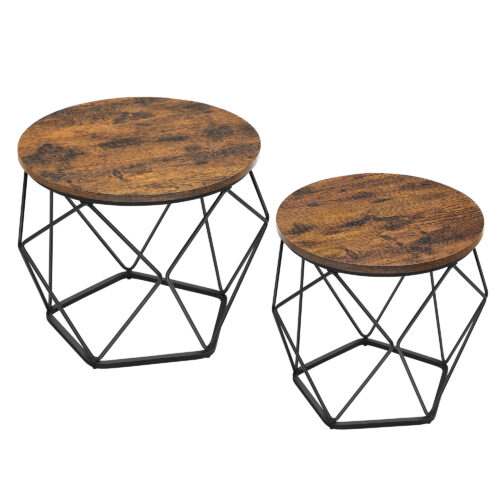
Intro: The Catalog Looks the Same—But the Outcomes Don’t
You’re scrolling a sleek catalog, trying to pick a table that won’t wobble by fall. You start browsing options from coffee table manufacturers, all glossy and neat. Here’s the kicker: in home goods, a surprising chunk of returns (up to 25–30% by some marketplace reports) is due to small faults like surface chips, leg misalignment, or fastener slippage. That’s not a design flaw; it’s a process flaw hiding behind nice photos. So why do many buyers still choose on price and palette alone—then eat replacement costs later?
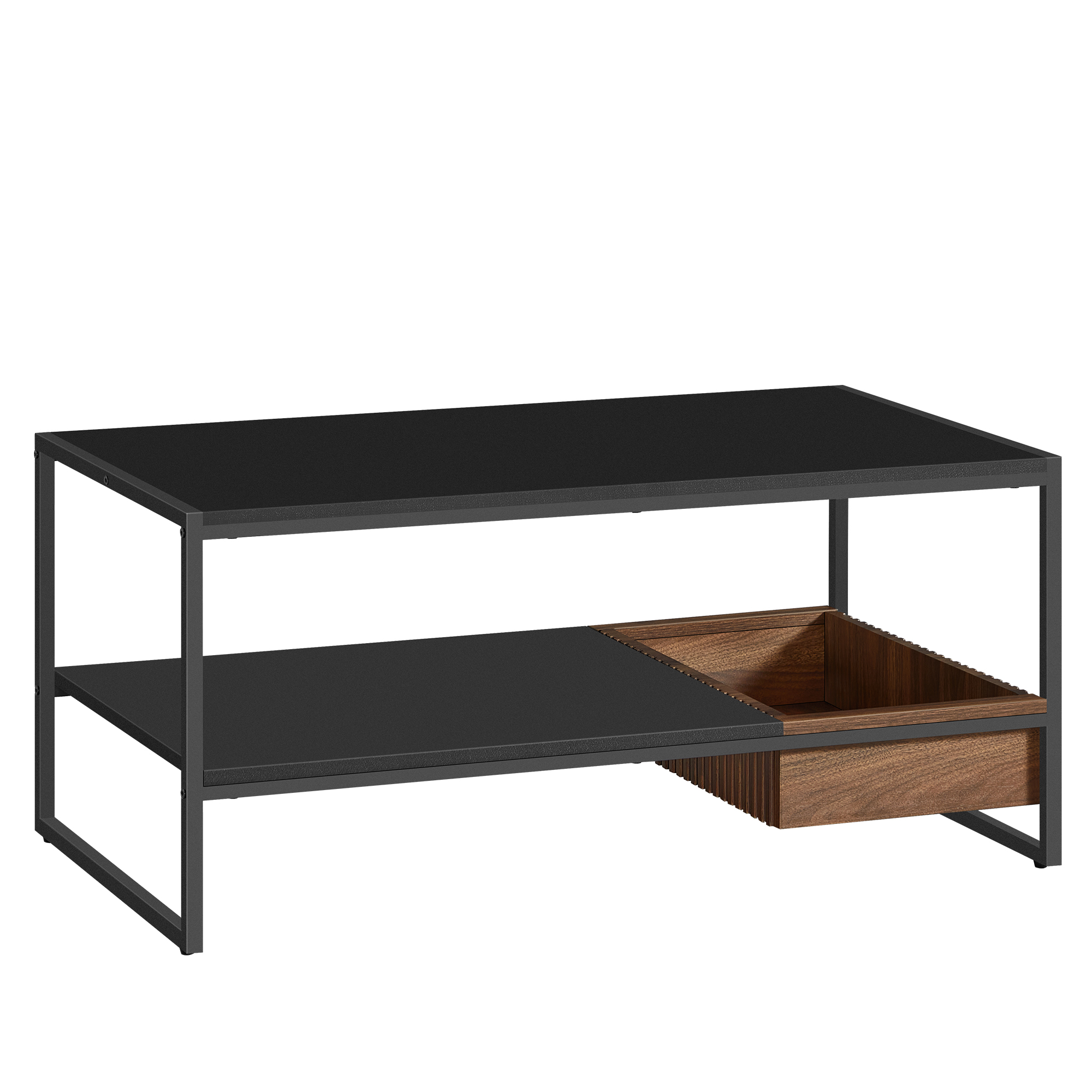
Picture a launch week: stock lands late, a batch looks off-color, and your support line spikes (cue the headache). You needed process signals, not just samples. The question is simple: what signals tell you which maker will hold up under scale? And how can we compare them fairly across factories, not just by a hero sample? Let’s map the gaps, then stack solutions. On we go—because speed without insight is costly.
Traditional Sourcing Has a Blind Spot
What’s breaking behind the finish?
The old RFQ-and-sample dance checks looks, not load paths. A coffee table supplier can match stain and catalog shots, yet miss core build rules. Look, it’s simpler than you think: if the substrate is not stable, the finish won’t save it. Too many checklists skip moisture content, joinery tests, and hardware torque. They track color and cost, but not yield. That’s where early failure starts—funny how that works, right?
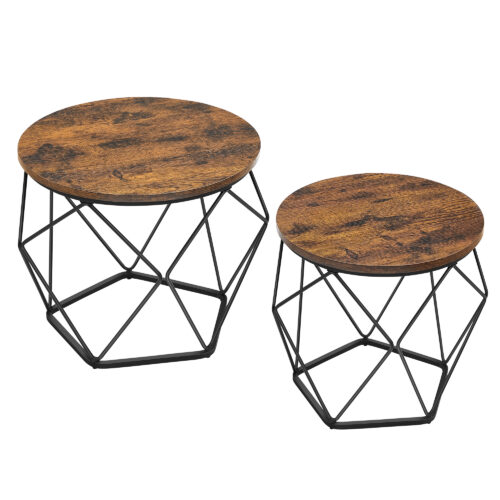
Here are the quiet faults you don’t see in a showroom: inconsistent CNC routing that widens pocket tolerances over a long run, E1-grade MDF used without edge sealing in humid lanes, and powder coating thickness that varies across lots. MOQ pressure masks this; you accept mixed components to hit ship dates. But the failure rate creeps. Without real QC sampling plans, fatigue tests, and traceable fixtures, a design that should last 3 years starts drifting at month six. Technical truth: variance beats intent. And buyers eat the returns.
Comparative Outlook: New Principles That Change the Math
What’s Next
Comparing makers gets easier when you compare systems, not just samples. The new baseline: line-level visibility. Factories using in-line vision checks flag leg deflection and surface defects before pack-out; MES dashboards show real-time yield by SKU and fixture. Add a digital traveler—QR-coded components tied to operators and tools—and you can trace a wobble to one clamp. This pushes quality upstream. Pair that with controlled lamination press cycles and calibrated torque tools, and variance drops fast. When teams run edge computing nodes by the sanding line, they catch drift early (less rework, lower scrap).
Here’s the forward move for buyers running coffee tables wholesale: request process data, not just photos. Ask for moisture maps of kiln-dried stock, rout-depth logs from CNC cells, and torque audits per lot—then compare across vendors. One factory may offer a pretty prototype; another proves stability with a small set of clean signals: Cp/Cpk on hole spacing, powder coating microns by batch, and drop-test pass rates. The second one wins at scale. That’s the quiet edge. And yes, it makes the price talk saner—because you see what you’re really buying.
How to Choose: Three Metrics That Cut Through Noise
Advisory close, short and useful. 1) Structural integrity metrics: require flatness tolerance, joint pull-out strength, and torque retention ranges per model; review the supporting QC sampling plan. 2) Process transparency: ask for QR traceability, CNC routing logs, and moisture content charts for substrates like E1-grade MDF; verify powder coating thickness records. 3) Logistics reliability: track average lead time, carton drop-test performance, and damage-on-arrival rate across three recent lots. Compare makers on these three, and you’ll see who scales without surprises—funny how that works, right?
Keep it human: sturdy tables reduce returns, save your team time, and make customers smile. That’s the point. Shared with a builder’s eye, not a sales pitch, by SONGMICS HOME B2B.