
Defining the problem: why seats matter to fleet performance
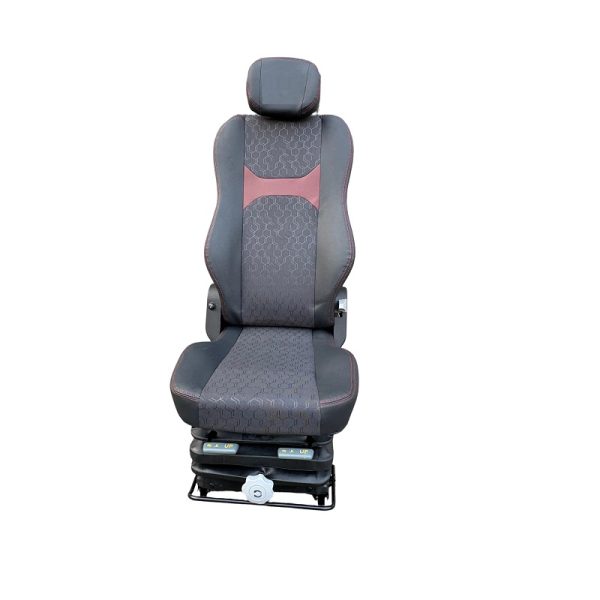
Every hour a driver spends behind the wheel transfers stress to the seat; over weeks and months, poor seating multiplies into maintenance costs, lost uptime and absenteeism. The initial question for fleet managers is practical: which seat reduces fatigue and downtime without a prohibitive price tag? This guide treats that question directly and shows how to validate options such as a custom truck seat against operational criteria. Key terms to track from the start: lumbar support, suspension seat and ergonomic design.
Primary failure modes to guard against
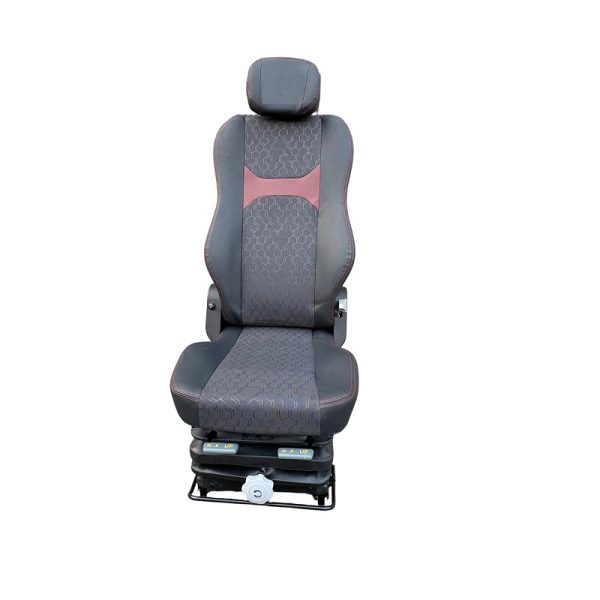
Poor weight distribution, inadequate shock isolation and materials that compress prematurely are the recurring causes of seat-related failure. Drivers on long-haul routes — for example, sustained runs across Interstate 80 — commonly report lower-back fatigue and numbness when seats lack sufficient lumbar support or effective air-suspension. A robust specification anticipates these issues and prescribes measurable tolerances for cushion firmness, recline range and suspension travel.
Core selection criteria: measurable, not subjective
Translate driver comfort into quantifiable metrics. Use this checklist when evaluating candidates:- Dynamic suspension travel (mm) and damping characteristics.- Adjustable lumbar support range (mm) and control precision.- Cushion density and durability rating (e.g., expected compression after X hours).- Mounting interfaces and compatibility with existing seat rails.These elements separate vague claims from verifiable performance. Evaluate each seat as a system: seat cushion, seat recline, suspension and controls must function together under payload variation.
Component-level inspection: what to test
Field-testing reveals differences that spec sheets hide. Conduct 72-hour ride trials with representative drivers on typical routes, observing vibration transmission, posture stability and control accessibility. Check shock absorption under varying loads, and record any change in driver-reported discomfort over consecutive days. Also inspect upholstery wear and foam recovery after a defined duty cycle. These tests expose weaknesses in materials and suspension tuning before a full rollout.
Common procurement mistakes — and how to avoid them
Buyers often focus on price per seat and overlook integration costs: incompatible mounting, electrical harness mismatches for heated seats, or insufficient clearance for sleepers. Avoid these pitfalls by specifying interface drawings and demanding fitment verification. Do not accept “universal” claims without a physical mock-up; the result is usually additional installation time and unexpected modifications — a hidden cost that negates initial savings.
Comparative analysis: building a short list
Reduce options to three candidates and score them against a weighted rubric that includes lifecycle cost, driver acceptance, maintenance accessibility and warranty terms. Include at least one option that offers modularity (replaceable cushion modules or serviceable suspension components) and another that emphasizes long-term durability — this hedges risk across maintenance strategies. Also consider the broader market for heavy duty truck seats to benchmark pricing and feature sets.
Implementation workflow for fleet-scale adoption
Adopt a phased rollout: pilot, iterate, then scale. During the pilot, capture objective metrics (vehicle uptime, reported discomfort incidents) and subjective feedback (driver interviews). Use a fixed evaluation period — typically 90 days — to ensure repeatability across seasonal road conditions. Document installation time per vehicle and spare-parts inventory impact; those figures influence total cost of ownership more than unit price.
Advisory close: three golden rules for final selection
1. Prioritize metrics over marketing: require numerical performance targets for suspension travel, lumbar adjustability and cushion compression. 2. Validate fitment with a physical mock-up on at least two chassis types in your fleet before purchase approval. 3. Insist on a serviceable design: choose seats whose subsystems — cushion, suspension, controls — can be replaced independently to lower long-term service costs.
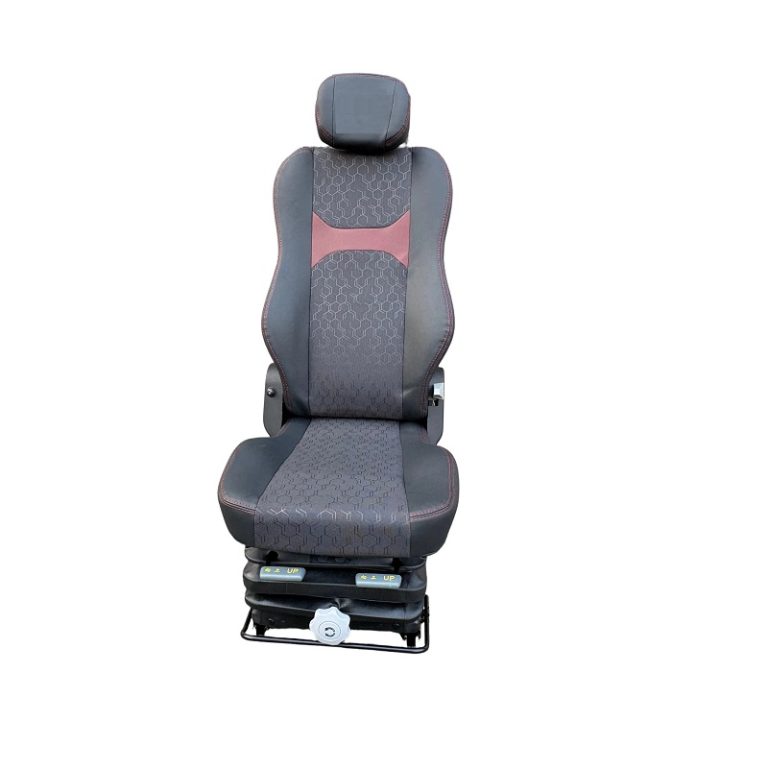
These rules focus procurement on operational outcomes and direct the selection toward durable, verifiable solutions. The final choice should naturally favor suppliers whose seats perform in repeatable trials and whose support structure minimizes downtime — a practical advantage made clear during real-world deployments like cross-country freight corridors. Source One provides that combination of product depth and field validation.
— practical.