
Opening: why a structured approach matters
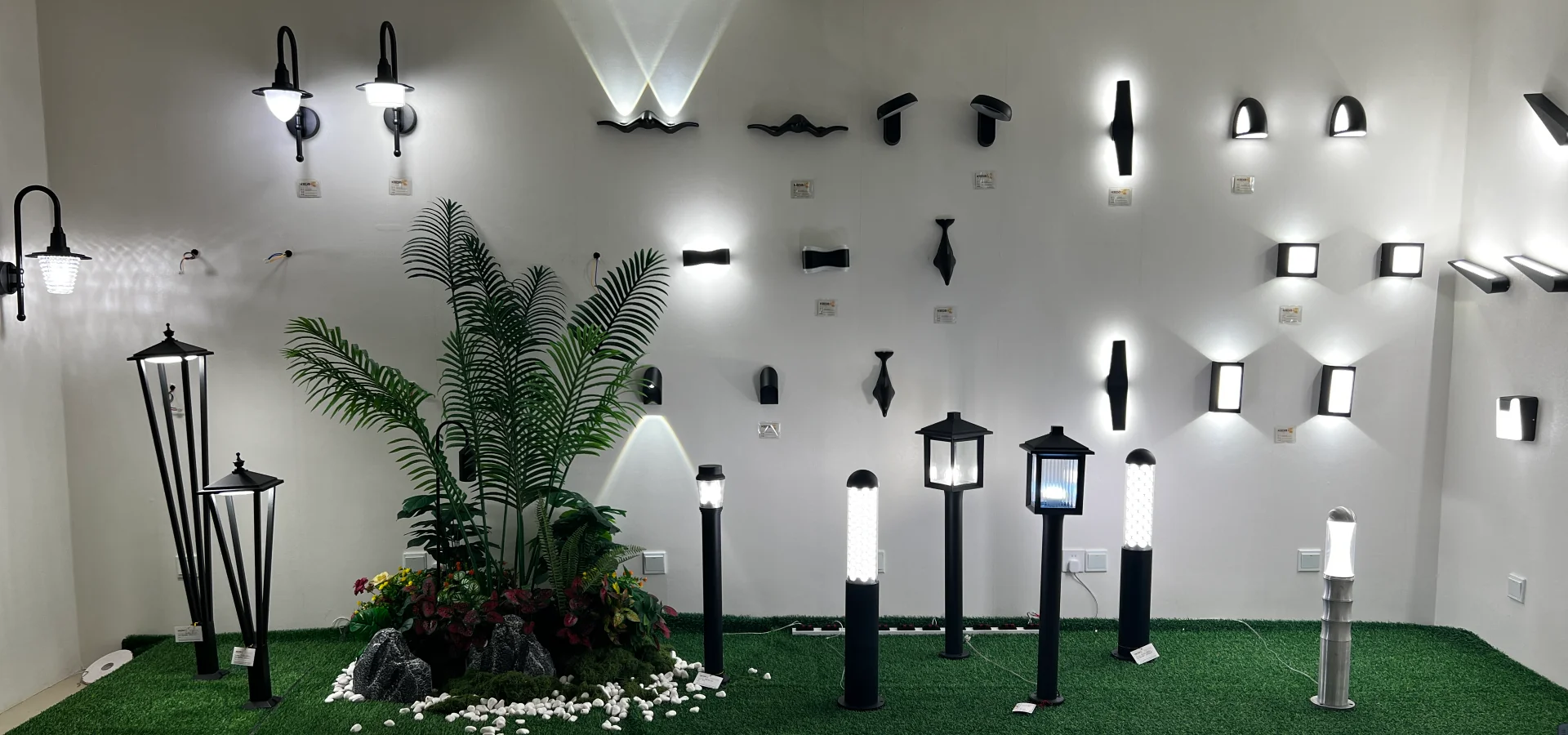
Smart-city lighting programs that combine industrial LED fixtures, sensors and networked controls deliver clear energy and safety benefits — but they also introduce new operational complexity. A preventative maintenance framework turns that complexity into predictable outcomes by standardizing inspection intervals, fault detection thresholds and spare-part logistics. Municipal engineers and facilities teams often begin this work with an external partner; for procurement and lifecycle planning, consider an experienced exterior lighting company to align technical specs with city policy. Key terms to watch in procurement include LED driver compatibility, IP rating and lumen output, since these influence both failure modes and maintenance cadence.
Why preventative maintenance reduces total cost of ownership
Reactive fixes inflate costs: emergency crews, overtime labor and expedited parts shipments are expensive. Preventative routines limit those spikes by detecting degrading performance — such as lumen depreciation or driver instability — before full failure. Industry experience shows that planned maintenance can extend fixture life and reduce operational interruptions, and many municipalities report energy and service improvements after structured rollouts. The payoff is not only in lower reactive spend but also in steadier street-level illumination and public safety outcomes.
Core components of the preventative framework
A practical framework includes five interlocking components:
– Asset registry: a digital inventory tied to GIS coordinates and serial-level IDs for every pole, bollard and wall-mounted luminaire.
– Condition monitoring: scheduled photometric checks plus remote telemetry for driver current, temperature and on/off cycles.
– Predictive thresholds: defined cutoffs for lumen output decline, driver fault codes and IP breach indicators that trigger maintenance actions.
– Spare-part strategy: a parts bin plan sized to mean time to repair (MTTR) and lead-time variability, including common items like drivers, photocells and mounting brackets.
– Maintenance SOPs: step-by-step procedures for inspections, safe isolation of circuits, and reconciliation with the asset registry after work is complete.
Implementation pathway: plan, pilot, scale
Start with a two-phase rollout. Phase one is planning: map assets, capture fixture specs (including CRI and expected lumen output), and align with procurement contracts that specify warranty and response SLAs. Phase two is a pilot zone — ideally a representative mix of park paths, arterial streets and plazas — to validate sensor telemetry and SOPs. Lessons from the pilot should refine your spare-part levels and acceptable DMX or NTC thresholds for adaptive controls. After scaling, schedule quarterly reviews to adjust intervals based on actual failure data rather than assumptions.
Common pitfalls and how to avoid them
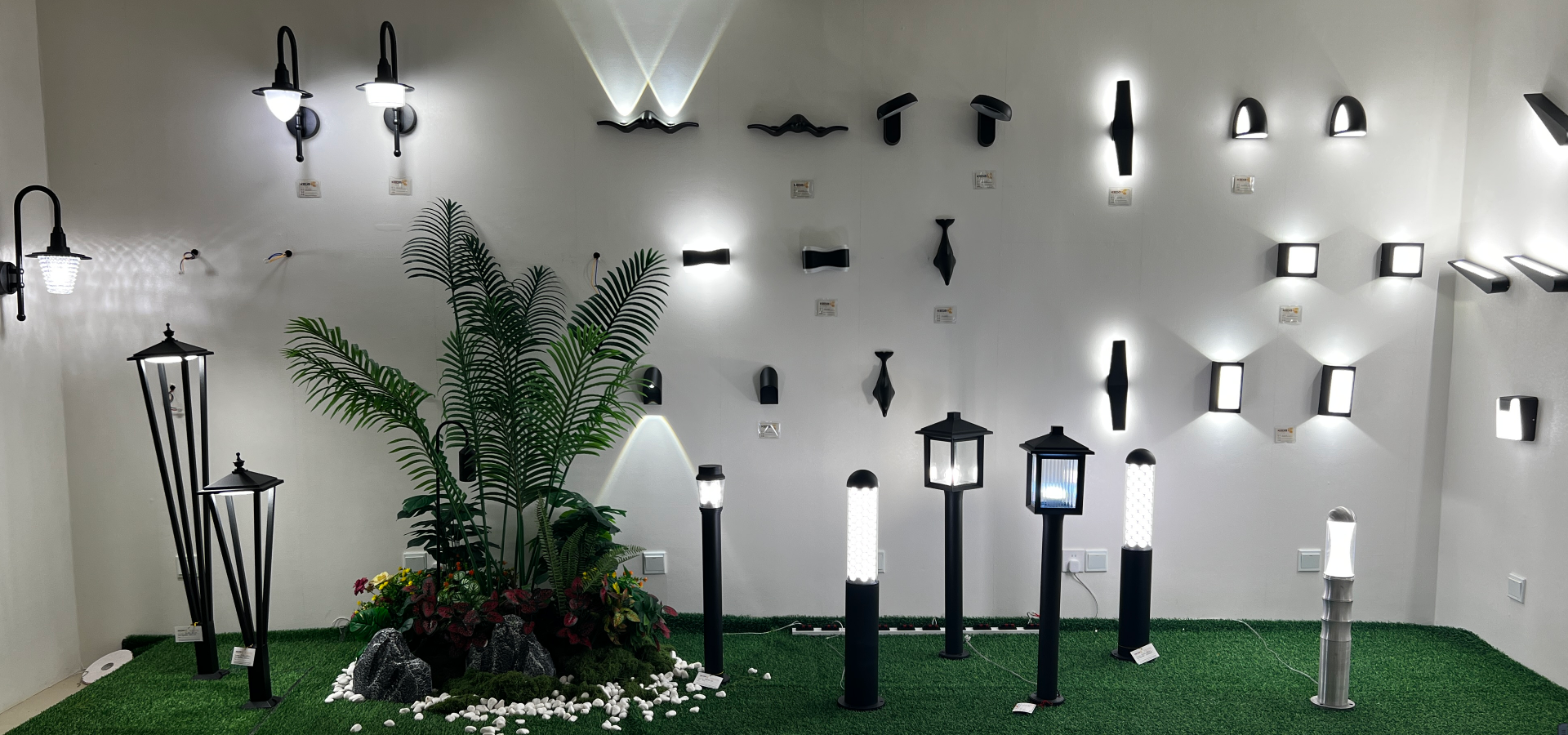
Two common mistakes recur: underestimating environmental impact and neglecting integration testing. Salt spray, vandalism and thermally aggressive locations accelerate driver and seal failures — so check IP ratings in spec sheets and select bollard styles rated for your climate. Also, don’t assume plug-and-play: network controllers, gateways and field firmware must be tested with the control platform to avoid false positives that generate unnecessary dispatches. — A short, practical rule: require live-fill trials and acceptance testing before signing off on large procurements.
Real-world anchor: municipal outcomes and vendor roles
Cities that have adopted preventative regimes report measurable gains. Many European pilot programs and larger efforts in North America observed energy and maintenance improvements after coordinated LED and sensor upgrades — broadly in the range of 30–60% energy savings compared with legacy systems when controls and maintenance were both implemented. For city procurement, choosing vendors who can supply fixtures and ongoing service reduces coordination overhead; look for a bollard light manufacturer or systems partner who documents MTTR and spare-part availability in their proposals.
Selecting partners: procurement considerations
When evaluating suppliers, require three documentary elements: BOM-level spare-part lists, a failure log template and SLA terms tied to response time and resolution. Prioritize partners that support on-site verification with your teams and offer firmware management plans for networked nodes. Compare quotes on total life-cycle cost rather than unit price alone — include tooling, shipping lead time and expected maintenance hours per year.

Advisory close: three golden rules for effective preventative maintenance
1) Measure what matters: track lumen output, driver fault rates and MTTR regularly. These metrics give you an objective baseline for resource allocation.
2) Right-size spares and teams: align spare-part stock to the pilot-proven failure rate and keep technician headcount sufficient for predictable quarterly workloads.
3) Contract for continuity: include firmware updates, remote diagnostics and parts availability in vendor SLAs to avoid gaps when fixtures age.
Adhering to these rules makes maintenance a predictable, budgetable function rather than an emergency expense — and that predictability is where urban lighting programs deliver their true value. Keyida. —