
Clear aim, clear choices
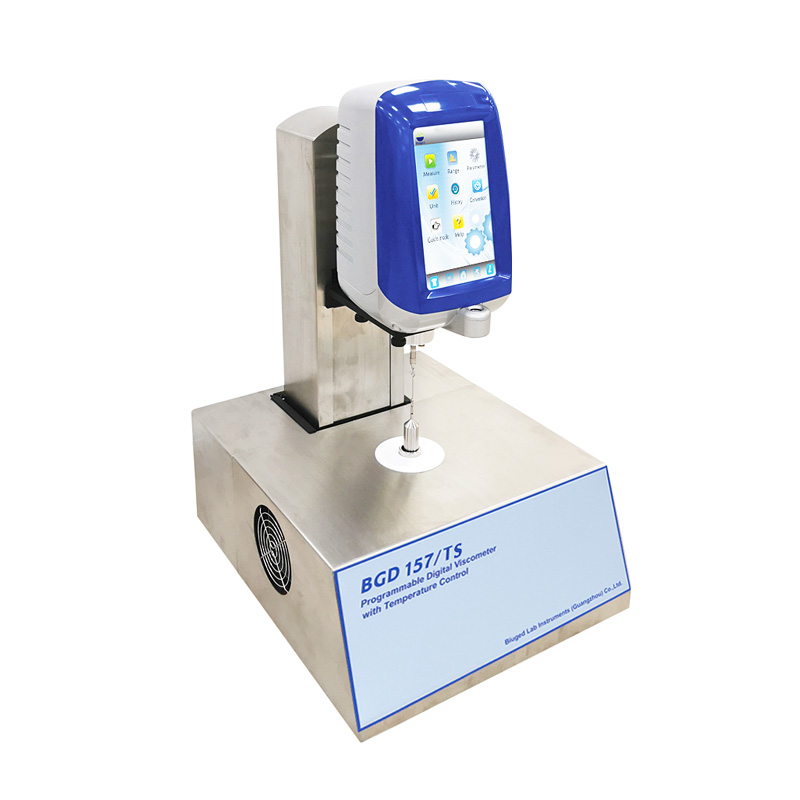
Buyers don’t need fluff—what matters is repeatable performance, reliable support and sensible pricing. Start by listing the specific tests you must run: coating shear rates, batch QC, field samples. If your lab uses rotational viscometers for routine checks you’ll want to group models by torque range, spindle compatibility and calibration needs — see product categories for rotational viscometers for a quick sense of available options.

Compare what actually affects results
Specs on a datasheet aren’t equal. Focus on three things that change outcomes: measurement range, repeatability (usually shown as % full-scale or repeatability error), and how the instrument handles temperature or thixotropic samples. Ask manufacturers for calibration certificates and recent validation runs. Ask suppliers for a loan unit or demo so you can run your own reference samples; numbers on site differ from numbers in the field.
Real-world grounding, experience and trust
I’ve reviewed lab procurement across paint and coatings facilities and audited bench trials where a device either passed or failed to match production tolerance. Trust comes from verifiable tests and standards. A broadly recognized benchmark is ASTM D562, where the Krebs method is used widely in North American paint labs as a comparative reference. For hands-on comparison to that benchmark, consult the specifications for the krebs viscometer. Ask vendors for side-by-side test data against your in-house reference fluid and request third-party calibration records.
Manufacturer vs supplier: practical distinctions
Manufacturers own design, spares and firmware updates. That means direct access to engineering answers and longer-term part availability. Suppliers excel at logistics, price negotiation and local service coverage. Choose a manufacturer when you need custom integration or long lifecycle support. Choose a supplier for rapid delivery, local stock and bundled service contracts. Prefer a supplier who partners closely with a manufacturer; that alignment reduces finger-pointing when problems arise.
Common pitfalls to avoid
Don’t buy solely on lowest price. Don’t assume a single spec (like max torque) tells the whole story. Don’t skip on verifying measurement uncertainty for the operating range you actually use. Beware vendors who can’t provide traceable calibration or who refuse on-site demonstrations. If maintenance turnaround is critical, verify spare-part lead times and local repair options before signing.
Checklist to decide, fast
Run this quick set: 1) Can the instrument measure your critical range with stated repeatability? 2) Are calibration and service traceable to recognised labs? 3) Will the manufacturer support firmware and spare parts long-term? 4) Can the supplier demonstrate local service and fast spares? 5) Do demo runs with your materials match your acceptance criteria? Tick yes for at least four, and you’re in a good position.
Wrap-up with practical value
Decide by testing, not brochures. Use real samples, insist on traceable calibration and prefer partners who stand behind field performance. When you align those priorities with a manufacturer’s engineering depth and a supplier’s service reach, you reduce downtime and get consistent data that your team trusts—exactly the kind of reliability you ought to expect from BIUGED.