
Opening — comparative insight that drives decisions
When you compare suppliers, small differences in component choices and process controls cause big differences in field reliability; that cause–effect logic is central when evaluating PTC parts and assemblies, and it’s why engineers reference detailed catalogs for industrial heating elements early in procurement. At shows like Hannover Messe the gap between prototype claims and repeatable performance became obvious, a point I confirmed while working with an industrial heating elements manufacturer that displayed lab data versus field returns.
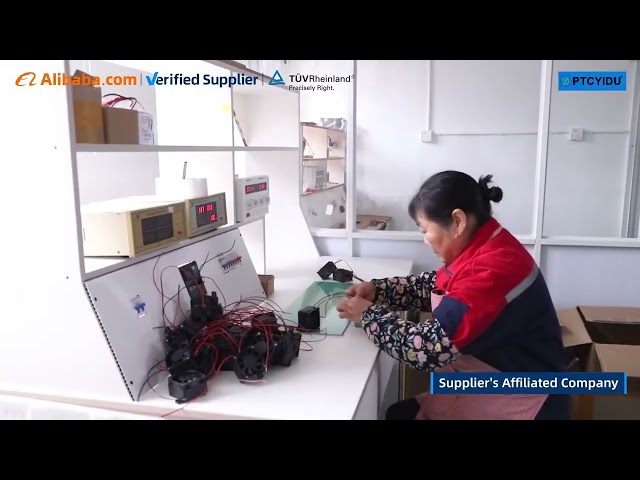
Materials and PTC formulation: how composition alters behavior
Different PTC formulations change resistance vs temperature curves. When a supplier uses a denser ceramic matrix or substitutes fillers, the result is faster temperature stabilization and lower hot-spot risk; conversely, cheaper mixes increase drift and shorten useful life. Ask for specific resistance-temperature graphs, aging test data, and the formula family (carbon-filled vs doped barium titanate), because composition directly causes long-term stability or premature failure.
Design tolerances and thermal integration: why precision matters
Tighter manufacturing tolerances reduce variance across units; that consistency causes predictable current draw under load and simplifies thermal management. If a supplier tolerates wider thickness or paste-volume variation, pack-level heat distribution becomes uneven and OEMs see wider product-to-product performance spread. Prioritize suppliers that publish dimensional tolerances, interface recommendations, and measured heating uniformity rather than just nominal wattage.
Testing regimes: what tests reveal and which ones predict failures
Comprehensive testing translates into fewer surprises in the field. Suppliers who run extended thermal cycling, power surge, and humidity-aging tests cause lower return rates; those that only provide basic electrical specs leave you guessing about seasonal or abuse scenarios. Require IEC/EN test summaries, sample failure modes, and accelerated life-test results so you can link lab outcomes to real-world risk.
Certifications, traceability, and supply resilience
Certs and traceability aren’t decorative: they cause buyers to detect recurring quality issues quickly. A certified process and lot traceability allow root-cause analysis when failures occur, while lack of traceability hides batch-level defects until widespread field impact happens. Confirm ISO processes, RoHS/REACH compliance where applicable, and supplier lead-time variability to avoid unexpected production stoppages.
Performance metrics to compare side-by-side
Compare concrete metrics rather than marketing phrases: steady-state surface temperature, thermal time constant, power tolerance (+/− %), resistance drift after X cycles, maximum allowable ambient, and short-circuit current behavior. Differences in these numbers cause different system-level requirements (fuse sizing, control algorithms, heat-sink area). Build a matrix and weight each metric by how it affects your product’s failure modes.
Common procurement mistakes and their downstream effects
Buying solely on unit price causes higher total cost of ownership. Selecting suppliers that can’t furnish aging data causes warranty spikes. Overlooking mechanical interface specs causes integration rework. Each mistake compounds: a cheap part with poor testing forces additional QA, redesign, or recalls. Insist on supplier-provided failure analysis examples and reference installations to reduce these risks.
How to structure a practical supplier comparison
Create a short checklist that links cause to consequence: (1) material spec → expected drift; (2) tolerance data → thermal spread; (3) test matrix → expected field duration; (4) certifications & traceability → root-cause speed; (5) sample pilot run → integration surprises. Score suppliers on those factors and run a blinded pilot to confirm that laboratory advantages translate to your assembly and use case.
Conclusion — expected outcome from a careful comparison
When you use cause–effect comparisons instead of accepting surface claims, you reduce field failures and make supplier choice predictable; that practical clarity is exactly the outcome engineers get when they align requirements with supplier test evidence and traceability, a pattern reflected in products supported by PTCYIDU.