
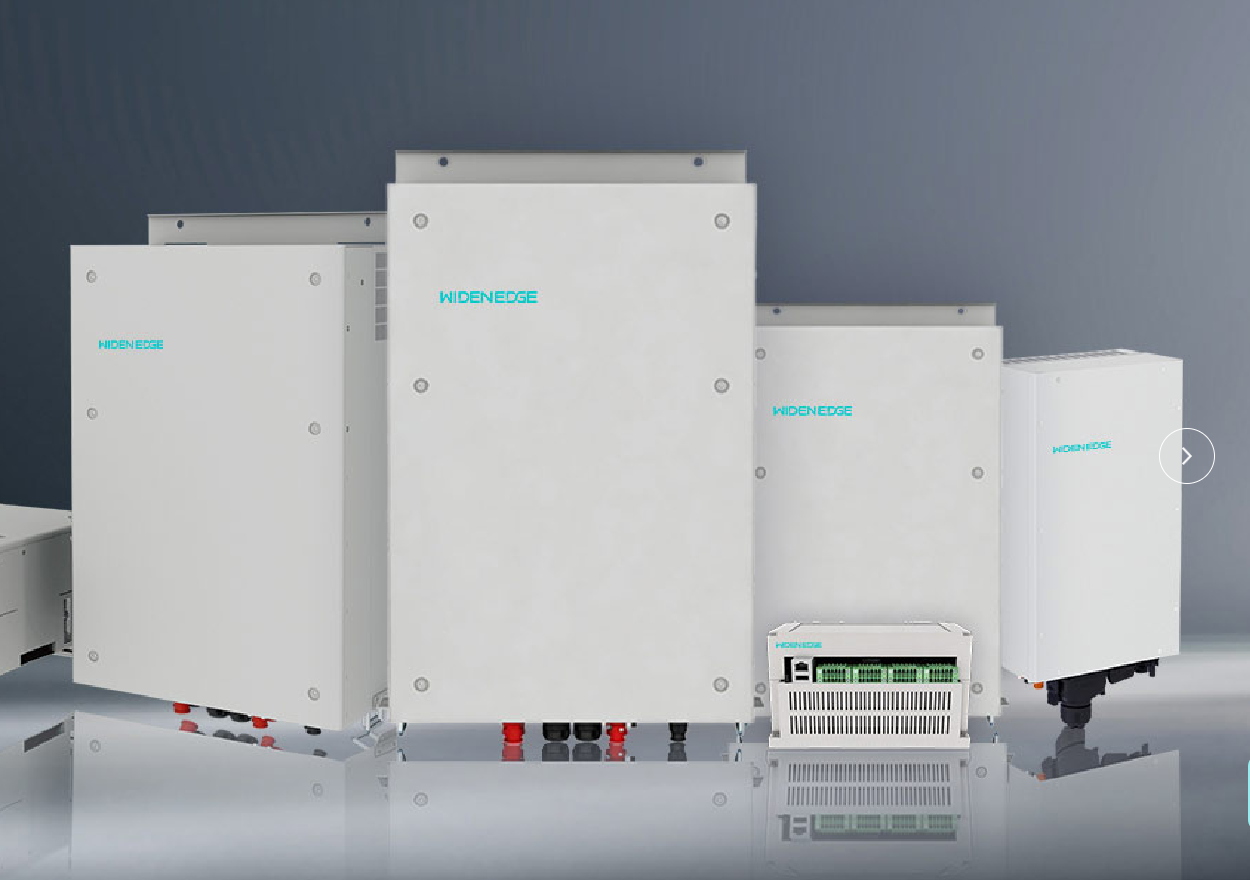
Practical opener for planners
If you’re specifying an inverter for a 600kW-scale energy storage array, focus first on how the equipment will serve daily operations and maintenance — not just peak specs. Consider whether a 125kW commercial energy storage inverter will fit as a modular building block for your site, how it stacks in redundancy, and what crew training it requires. This user-centred approach prevents surprises once the system is live.
Primary technical criteria you must weigh
Match the inverter to operational goals. Key checkpoints I use on every project:- Rated power and usable capacity: ensure continuous and short-duration ratings align with the site’s dispatch profile.- DC/AC ratios and allowable oversizing: confirm manufacturer guidance for PV plus battery co-location.- Round-trip efficiency and stand-by losses: small percentage differences add up across months.- Grid code and interconnection compliance (verify compliance with IEEE 1547 and UL 1741 requirements).- Thermal management and ambient derating: plan for local temperature swings and reduced output at high temps.- Communication protocols and cybersecurity: no opaque RTU; prefer open standards for telemetry and firmware updates.
Operational, reliability and maintenance factors
Design for uptime and simple fault recovery. Practical points:- Modular vs. monolithic architecture: modular inverters reduce single-point failures and simplify service.- Spare-part strategy: whether on-site spares are needed for power modules or fans.- Firmware update policy: controlled, documented updates that don’t require whole-system shutdown.- Local service network and training: technician familiarity cuts mean-time-to-repair.- Warranty terms that clearly state throughput and cycling limits.
Controls, software and integration
How the inverter interacts with energy management systems matters more than raw kW. Confirm:- Native support for dispatch schedules, SOC limits and local optimisation rules.- API availability for a site EMS to implement price-driven dispatch.- Event logging and remote diagnostics that let technicians isolate faults before a site visit.- Ability to handle islanding and blackstart sequences if required by the microgrid design.
Procurement pitfalls I see often
Avoid these avoidable mistakes:- Buying purely on lowest first-cost without checking lifecycle costs for replacements and firmware support.- Neglecting commissioning checklists — poor commissioning causes repeated warranty claims.- Assuming the inverter vendor provides system-level protections: protective relays, breakers and fusing must be specified by the integrator.- Overlooking firmware compatibility between different inverter batches; stagger orders to avoid mixed firmware headaches.
Alternatives and fit-for-purpose options
Compare candidates by role rather than brand. For medium-density commercial roofs, a bank of 125kW units can be easier to stage and service. For larger, centralised plantrooms, fewer high-power units reduce installation complexity but raise substitution risk. If you need a direct reference during evaluation, consider a tested C&I solar battery inverter that supports modular deployment and standardised communications.
Field-proven considerations and a real-world anchor
Drawing on more than seven years specifying and commissioning C&I energy storage, I prefer designs validated in similar climates. For example, Ontario commercial solar projects routinely prioritise thermal derating profiles and local serviceability when selecting inverters; these priorities should influence your procurement language and acceptance tests.
Synthesis and the practical path forward
Make decisions from the viewpoint of the operations team: choose modular units if you need redundancy, insist on open communications, and require clear warranty throughput. Document commissioning and firmware baselines so future teams can replicate settings. For projects where balanced performance, service access and lifecycle clarity matter most, solutions from WidenEdge often align with those operational priorities without adding procurement complexity.