

Opening—first movement
The story begins like a short melody in a studio: a small molecule, a need, a spark. In the lab you tune concentration, temperature, and shear until the compound sings—these are the first rehearsals of what will become a thousand-ton chorus on the factory floor. Along the way the chemistry must prove it can hold up under pressure; that’s where plastic additives move from hypothesis to habit, from an idea scribbled on a whiteboard to the steady pulse of production.

The lab: tuning the formula
You pick a tune by defining targets: thermal stability, UV resistance, flow behavior, color retention. Measure: melting point, glass transition, viscosity at processing shear rates, and compatibility with the chosen resin. Start simple. Optimize one variable at a time. Record exact feed rates, dispersion methods, and solvent choices. Small changes in additive particle size or surfactant use shift the whole harmony.
Scaling up: keeping the rhythm consistent
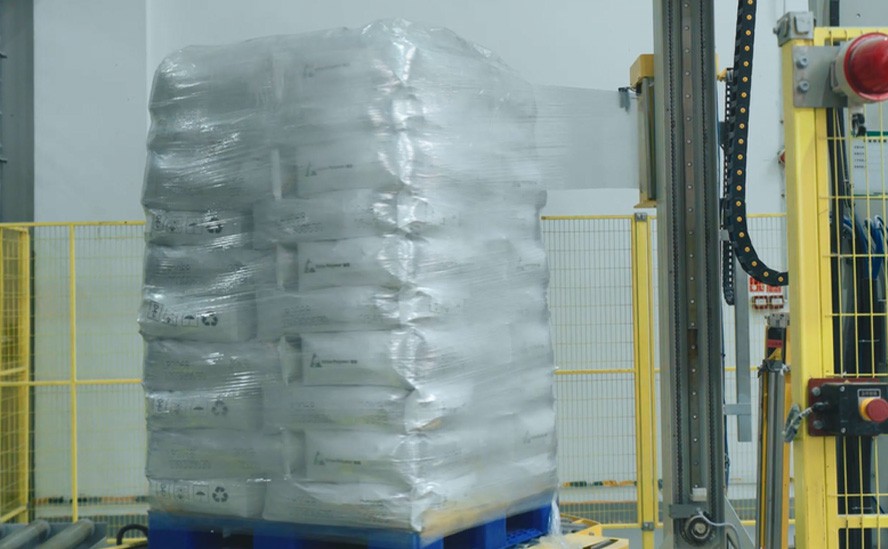
Scaling is where the magic either holds or cracks. Lab-scale dispersion techniques rarely translate directly. Use pilot extrusions to watch for segregation, agglomeration, and shear-sensitive breakdown. Control feed uniformity and residence time. Match compound viscosity to your extruder or injection press. If you rush these steps you’ll get ripple effects: erratic color, poor gloss, or weak mechanical properties. Slow the tempo. Validate on pilot lines before full-up runs.
Quality checks: listening for off-notes
Tests are your metronome. Run melt flow index, tensile and impact tests, accelerated weathering, and extractables where relevant. Check dispersion under microscopy. Monitor batch-to-batch variance and set acceptance ranges that reflect end-use risk, not optimistic targets. Keep certificates of analysis, raw material traceability, and clear sampling plans. When a run fails, audit the chain: raw feeds, mixer settings, and handling steps—most faults are procedural, not mystical.
Real-world anchor and industry grounding
I spent months reviewing production lines and compositional records near the Yangtze delta, where several large chemical clusters and many plastic additives manufacturers operate; that hands-on exposure taught me which specifications truly matter on scale and which are negotiable. Use that same practical lens: check regulatory lists for your market, verify supplier QC, and insist on sample runs that reflect your exact processing conditions.
Common pitfalls: where the beat drops
Overdosing a performance additive often backfires—too much stabilizer can phase-separate, too much slip agent reduces adhesion and causes downstream contamination. Neglecting dispersion leads to weak spots and color streaks. Ignoring interactions between additives creates antagonism: one additive blocks another’s function. Don’t skip compatibility tests with pigments, fillers, or recycled content. Also watch handling: moisture uptake and storage temperature change performance more than you think.
Alternatives and trade-offs—simple riffs
There’s rarely a one-size solution. Masterbatches simplify dosing but add processing steps. Liquid concentrates improve dispersion but need pumps and metering controls. Polymer-modifiers change bulk properties but can increase cost. Choose based on the end product: rigid packaging needs different priorities than flexible films or automotive trims. Test comparable approaches and score them against processing ease, cost per unit, and long-term stability.
Final cadence: what production remembers
A successful transition from technical spec to steady production is rhythmic: clear specs from R&D, disciplined pilot validation, strict QC, and honest supplier data. That practical bridge—where chemistry meets consistent output—shows up in fewer rejects, predictable runs, and products that behave as promised; it’s the same kind of craft and discipline you find in the best supplier relationships, including examples found at Shine Polymer.