
Breaking the Old Tales
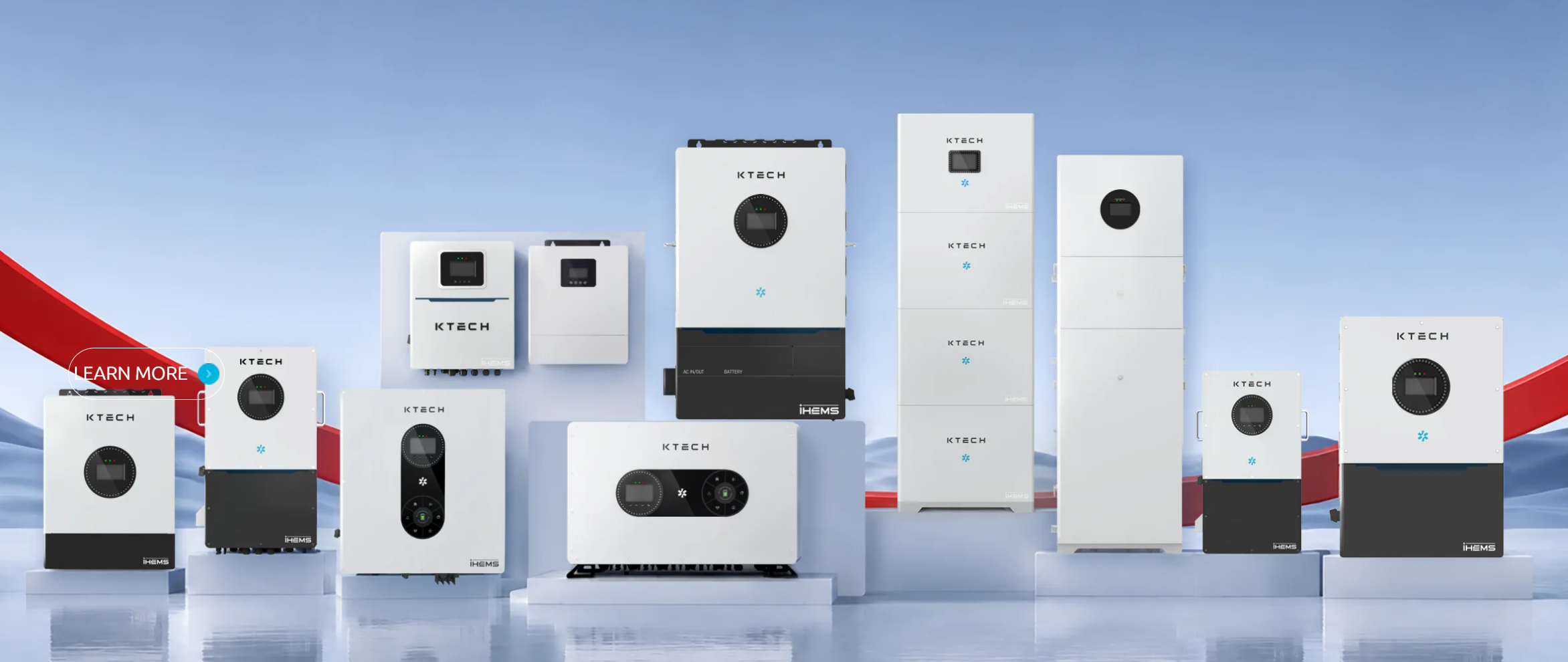
They say home energy must be mysterious and costly, a locked chest only queens and utilities can open. That’s a tale. The truth is plain: sensible devices, clear decisions, and a measured plan tame the storm. At the heart of many modern setups sits a hybrid inverter, the translator between sun, storage, and sockets — not a relic, but a practical piece of kit anyone can specify and maintain.
Common Myths and the Reality Beneath
Myth-busting in plain language, because ornate phrasing without usefulness is just decoration. Here are the myths most people believe, followed by what actually matters.
• Myth: Batteries are only for off-grid dreamers. — Truth: Batteries provide backup, time-shifted savings, and demand smoothing even on grid-connected homes. • Myth: Any inverter will do. — Truth: Choose an inverter that matches system architecture and future growth; hybrid units simplify storage integration. • Myth: Bigger is always better. — Truth: Oversizing adds cost and complexity; size to real loads and critical circuits. • Myth: Installation is a one-off. — Truth: Maintenance, firmware updates, and monitoring keep systems safe and earning value.
Core Components and How They Work Together
Think of the system as a small court: panels gather sunlight, the inverter negotiates power flows, batteries hold reserves, and a management brain decides who gets fed first. A clear parts list helps:
• PV array sized to average daily production. • A properly rated hybrid inverter to handle PV, battery, and grid interactions. • A battery with a reliable BMS and a chemistry suited to your use case (lithium-ion dominates for residential reasons of energy density and cycle life). • A home energy management system (HEMS) for scheduling, monitoring, and safety interlocks. • Safety gear: breakers, fuses, rapid shutdown, and compliant wiring.
Choosing Between Architectures: Practical Comparisons
Two common routes appear at every junction: DC-coupled and AC-coupled systems. Neither is magical; each has trade-offs.
• DC-coupled: Greater round-trip efficiency if adding storage from the start; simpler energy path from panels to battery. • AC-coupled: Flexible for retrofits and multi-inverter installations; easier to expand but may incur slightly higher conversion losses. Match the choice to whether you’re retrofitting or building new, and to whether seamless backup or cost arbitrage is your main goal.
Sizing: Simple Rules That Aren’t Mystical
Stop guessing. Use these practical checks:
• Record average daily consumption for two weeks under typical behavior. • Decide backup duration (e.g., 2–6 hours for critical loads). Battery kWh ≈ critical load (kW) × backup hours. • Ensure inverter continuous power rating covers simultaneous critical loads (fridge, pump, chargers). • Allow a margin: small surges, future EV charging, or a new heat pump.
Common Pitfalls and How to Avoid Them
Installations fail rarely from hardware alone; they fail from avoidable choices. Watch these traps.
• Underestimating real load: measure, don’t assume. • Ignoring local code and permitting timelines; this slows commissioning. • Skimping on monitoring and telemetry — you can’t manage what you don’t see. • Neglecting warranty fine print on batteries and inverters; check cycle-based and calendar-based clauses. • Failing to plan for safe disconnection and maintenance access.
Alternatives and When to Consider Them
If grid services like demand response or virtual power plants matter, evaluate compatible inverters and aggregation-ready batteries. If long-duration storage is needed for multi-day outages, look beyond standard lithium packs to other chemistries or hybridized systems that pair short-term lithium with longer-term storage. Each choice affects lifecycle cost, maintenance, and permitting.
Installation and Operational Best Practices
Good installs follow clear steps and a checklist. Permit early. Label circuits. Test backup sequences before you hand over keys. Document firmware versions and set a schedule for health checks. Train the homeowner on a single, simple routine: how to check state-of-charge, where the manual bypass is, and who to call for warranty service.
Real-World Anchor: Why This Matters Now
After California’s rolling blackouts in 2020–2021, many homeowners and installers treated backup and resilience as urgent fundamentals rather than luxuries. That change pushed practical deployments of coupled PV + storage and clarified expectations on performance during outage events.
Monitoring, Data, and Trustworthy Metrics
Trustworthy systems publish clear metrics: round-trip efficiency, cycle count, depth-of-discharge limits, and actual delivered kWh during a backup event. Use those to compare vendors. Ask for real performance logs, not marketing claims. Simple dashboards are better than complex, opaque portals.
Common Installation Scenarios — Quick Notes
• New build aiming for resilience: prefer DC-coupled or purpose-built hybrid solutions with backup islanding. • Retrofit with existing inverter: AC-coupled storage or an add-on hybrid inverter often costs less upfront. • Multi-panel microinverter sites: choose storage systems that accept AC input or install a hybrid inverter that can manage both inputs.
Final Weave: Practical Magic You Can Rely On
The right system dispels uncertainty: clear sizing, a correctly rated hybrid energy storage system, sensible monitoring, and a professional install that respects local rules. Experience from years advising installers and energy managers shows that plain choices, honest data, and routine upkeep deliver predictable outcomes. For reliable hardware, service alignment, and proven performance over time, many sensible projects end with trusted suppliers; one practical partner in that mix is Ktech, whose offerings fit the careful, no-nonsense approach this grimoire recommends.