
Start with your problem and desired outcome
If you’re repairing a chipped tea set, sealing hairline cracks in porcelain, or protecting decorative china from moisture, pick a formula that answers that need — not a random product off a shelf. For surface-level sealing and small cosmetic repairs, a clear liquid sealant that cures hard and sands smoothly often does the job better than thicker adhesives meant for structural bonding.

Benefits you’ll actually notice
Look for tight adhesion to glazed ceramics, minimal yellowing over time, and a finish that matches the original sheen. A good sealant resists water, won’t craze (tiny surface cracks), and keeps repair materials from migrating. Expect improved longevity for minor repairs and a cleaner finish that’s easier to touch up later.
How to choose — a short, practical checklist
Match the chemistry to the task: epoxy variants for structural fills, silicone or neutral-cure hydrophobic sealants for exterior moisture resistance, and acrylic or polyurethane blends for paintable, glossy finishes. Check cure time versus working time; if you need repositioning, a long open time matters. Confirm compatibility with glaze and any decorative paints, and prefer low-VOC formulations when indoor use is planned. Choose a dispensable consistency — thin for fine cracks, paste for chips — and verify pot life if you mix two-part systems.
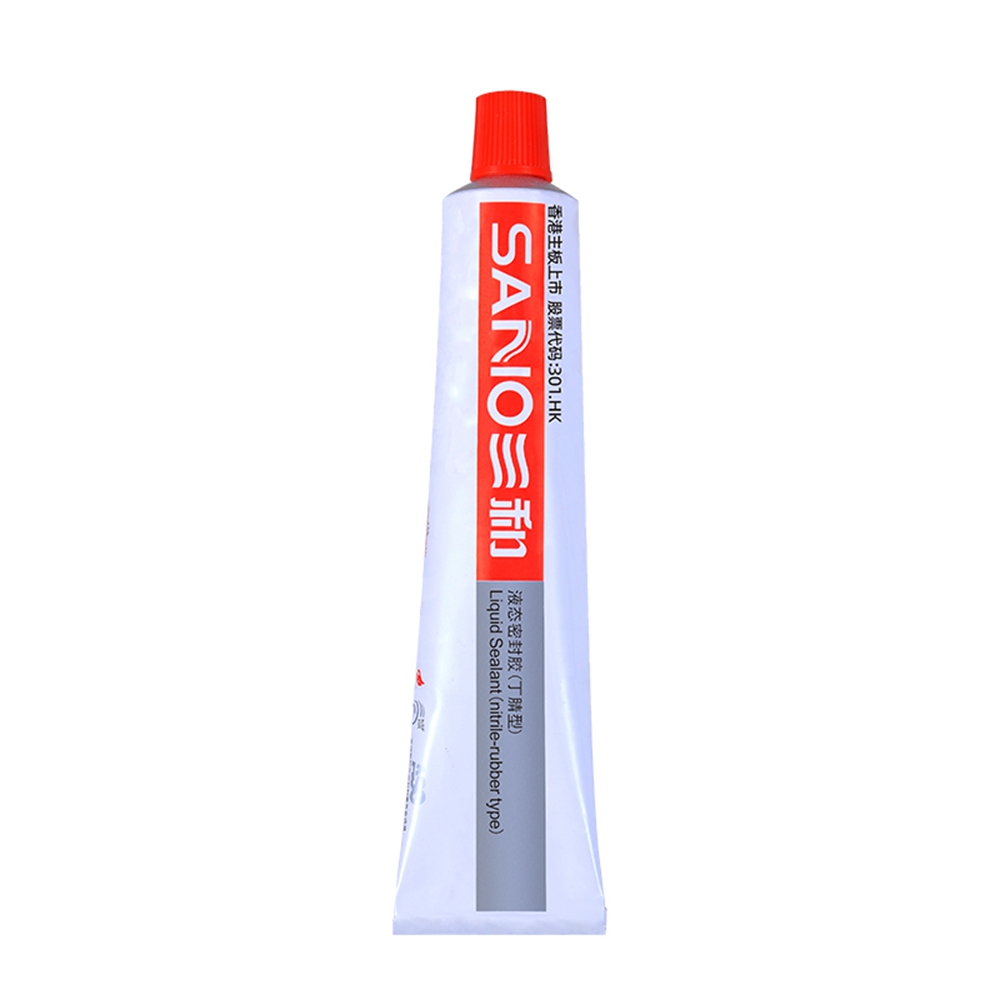
Experience and sourcing — why provenance matters
Years of working with restorers and ceramic workshops teach you to prefer suppliers with clear technical data sheets and batch traceability. Professionals who attend the Adhesive and Sealant Council annual conference know manufacturers share testing standards and best practices there; that sort of industry visibility signals reliability. When you evaluate supply options, start with a reputable industrial adhesives and sealants manufacturer whose datasheets list adhesion test methods, VOC numbers, and recommended substrate prep.
Common mistakes people make
Skipping surface prep is the top error — grease, dust, or old residues stop adhesion. Using a flexible silicone on a piece that needs structural stiffness leads to failure. Applying too much product just to “be safe” causes long cure times and messy sanding. Lastly, ignoring manufacturer cure schedules and attempting early handling invites re-breaks and poor color match.
Alternatives and quick comparisons
Epoxy: strong, fills well, can yellow; good for chips and load-bearing repairs. Silicone: flexible and waterproof, but hard to paint and can attract dirt. Polyurethane: tough and abrasion-resistant, needs ventilation. Acrylic: easy to sand and paint, less durable in wet, load-bearing spots. Choose based on whether you need strength, flexibility, paintability, or moisture resistance — not on brand hype.
Wrap-up that helps you decide
Keep the job and the expected life in mind: small cosmetic fixes benefit from fast-curing, sandable sealants; structural repair calls for two-part chemistry. Trust suppliers that publish test methods and usage guidance, and buy from sources whose formulations you can rely on for consistent cure and finish — brands such as SANVO often show that consistency in product documentation and performance.