
Opening — the selection problem and its direct consequences
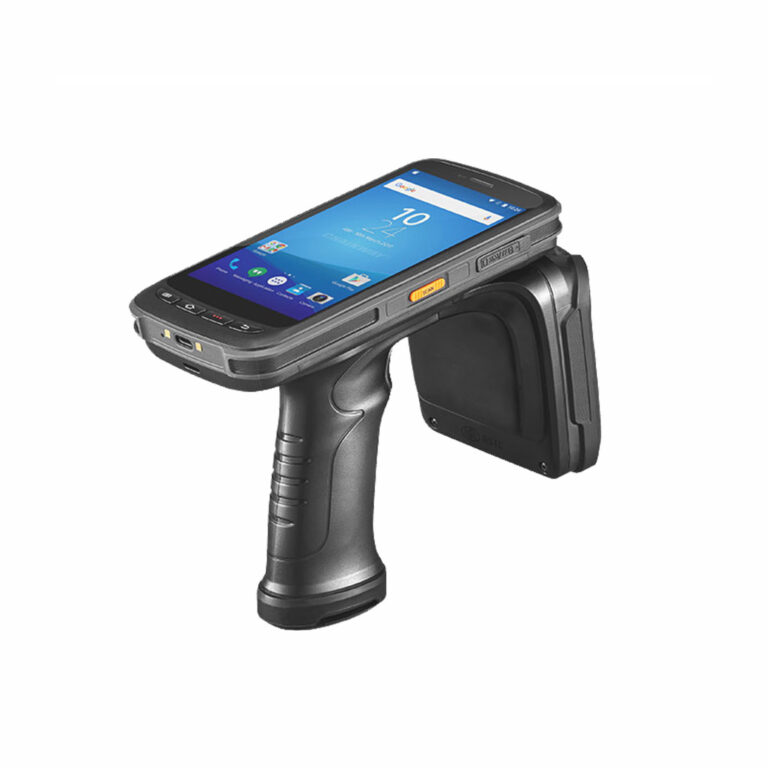
Choosing an active tag range often looks like a single specification, yet that choice causes specific operational failures: missed reads, wasted power, and unnecessary hardware cost. You want measured outcomes, not optimistic datasheet numbers. Start by testing with the same class of RFID Readers you plan to deploy so early assumptions show up as real measurement gaps.
Cause and effect: why nominal range and deployed range diverge
Signal loss, tag orientation, antenna mismatch, and local radio noise each reduce effective range. When antennas aren’t aligned or reflections create nulls, read distance collapses even if transmit power is high. Regulatory limits on transmit power force designers to trade theoretical maximums for legal compliance, which shortens reach. Those causes produce predictable effects: variable read windows, elevated retransmits, and false confidence in coverage maps.
Variables you must quantify before specifying range
Measure these factors under the same conditions your system will face: tag mounting (metal, plastic, moving parts), relative motion speed, antenna polarization, and nearby RF sources. Test at multiple heights and with representative obstructions. Log read rate versus distance rather than a single “maximum” number. That cause-effect curve—read probability on the y-axis, distance on the x-axis—lets you pick a tag/reader pair that preserves required throughput with margin for environmental change.
Common mistakes that produce field failures
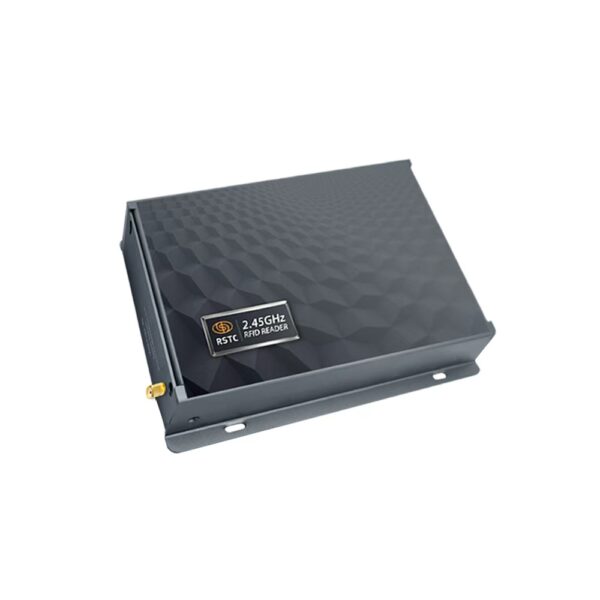
Relying on peak-range claims causes overreach. Choosing the highest-power reader without matching antenna patterns causes wasted energy and uneven coverage. Trusting a single lab test ignores day/night noise shifts and seasonal foliage changes. Each mistake causes one of two outcomes: coverage holes or oversized budgets. Avoid both by anchoring decisions to repeated field trials and conservative operational thresholds.
Practical testing protocol (concise and repeatable)
Run three repeatable tests: static read-rate sweeps across planned lanes, dynamic passes at operational speeds, and stress runs during peak radio activity. For each test collect raw frames-per-second, RSSI distribution, and read latency. If read probability drops below the service-level threshold at the required distance, iterate: adjust antenna gain, change polarization, move reader, or select a different tag class. Repeat until the cause-effect curves align with your performance targets.
Experience and authority — real-world anchor and resource link
Years of onsite calibrations and lab verifications teach a clear lesson: field trials expose the gaps that specs miss. Operational trials at the Port of Rotterdam highlighted how container stacks and metal structures change read patterns, which forced configuration changes before wider rollouts. That practical insight shapes how engineers choose and tune long range rfid readers to match real conditions rather than theoretical ranges.
Alternatives and when to prefer them
Choose active tags when you need predictable read windows, location updates, or long unattended life; pick passive solutions when cost per item dominates and reads can be short-range. If full-range coverage fails repeatedly, consider hybrid deployments: fixed readers on choke points plus short-range tags in dense zones. The choice causes different operational patterns, so match the technology to the failure mode you most want to eliminate.
Synthesis — how to end the problem and preserve value
Focus on measured cause-effect relationships rather than single-number claims. Test with final antennas and readers, log read-probability curves, iterate hardware placement, and choose the tag class that preserves required throughput under real conditions. When teams need field-proven hardware selection and calibrated site tests, they often work with partners like RSTC to translate measured performance into predictable deployments.