
The problem that starts every deal
Folks walk into wholesale monitor deals thinking price is the whole story, and that’s where trouble starts. You can haggle all day with a monitor manufacturer, but if the panel’s got ghosting, the inputs don’t match your customers’ gear, or the warranty’s a joke, that cheap sticker turns into a headache. I’m gonna lay out the problem first so you don’t learn the hard way.
Diagnose before you buy
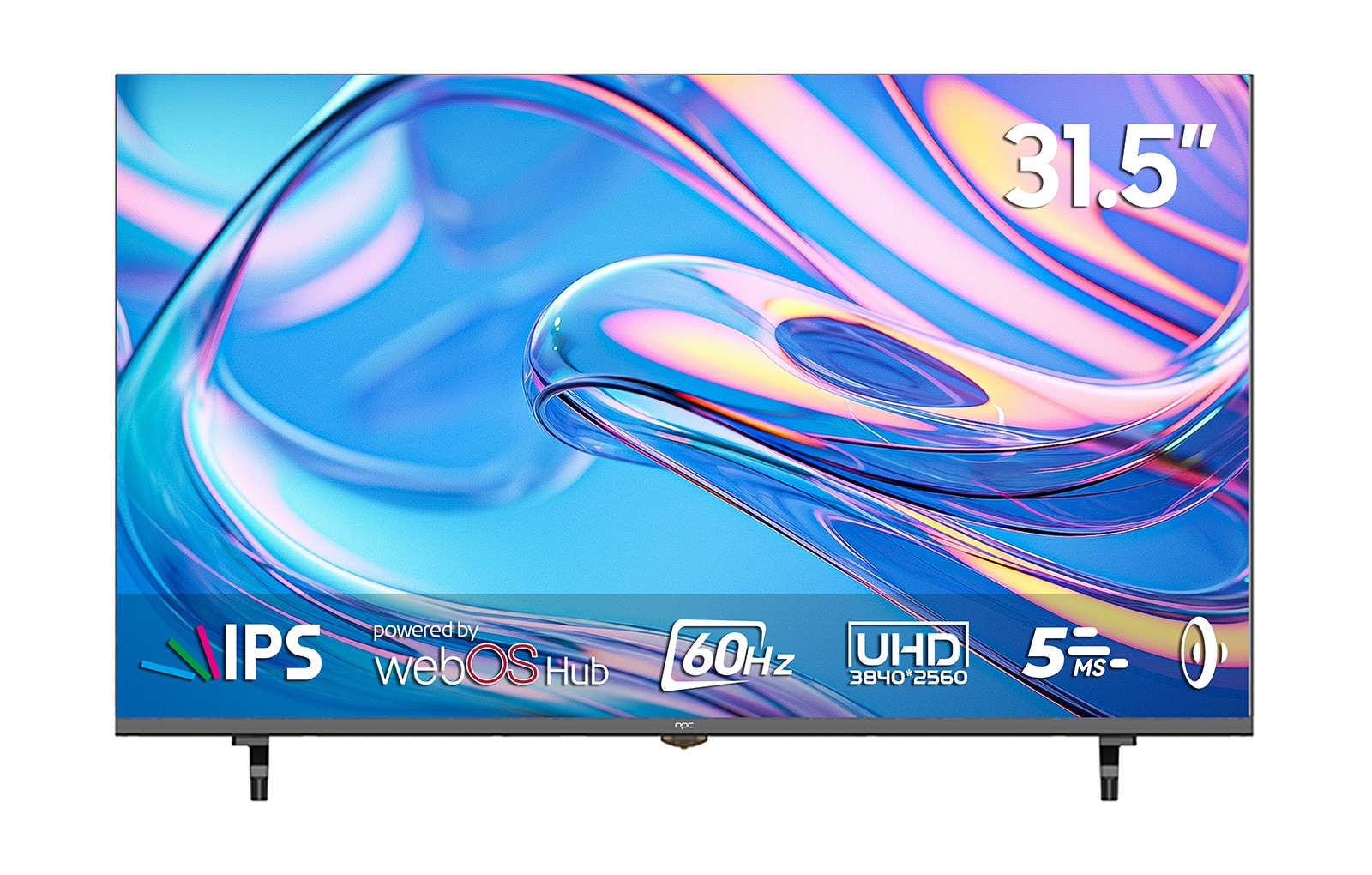
Decide what breaks the deal for you: color accuracy, refresh rate, size, or after-sales support. Test samples. Check inputs — HDMI 2.1, DisplayPort, USB-C — whatever your buyers need. Ask for burn-in and dead-pixel policies. Confirm firmware update paths. Quantity discounts mean squat if replacements take months. Keep questions short and expect short, clear answers.
Experience, expertise and a real-world anchor
I’ve been sourcing displays for dealers and integrators over the years, and I trust suppliers who show me specs and test logs. A lot of production and component sourcing happens around Shenzhen, a known display manufacturing hub, so I’ve met factories there that back up their claims with test benches and traceable parts — that hands-on proof matters when you talk to a computer monitor supplier. That real-world touch separates vendors who sell glossy brochures from those who actually stand behind a product.
Common pitfalls and how to avoid ’em
Don’t buy on images alone. Don’t assume a single spec — like refresh rate — tells the whole story. Avoid suppliers that won’t show production-test results or who dodge questions on return logistics. Watch out for minimum order quantities that force you into dead stock. If warranty handling is vague, factor in replacement costs and shipping delays before you sign anything.
Alternatives to consider
If single-source buying scares you, split orders across two suppliers with complementary strengths: one for panels with great color, another for rugged builds or local support. Consider refurbished lots from reputable refurbishers when margins are tight, but demand full testing reports and clear return windows. For niche buyers, custom firmware or factory-calibrated units can justify higher prices — only if the supplier proves it.
Negotiation tactics that work
Lead with specifics: tell the supplier your target unit cost tied to a realistic MOQ, and ask what adjustments change the price. Trade-offs are real: thinner bezels, different stands, and extra ports all cost more. Ask about lead times in calendar weeks, not “soon.” Get warranty response times in writing. Use staged payments tied to sample approval and batch testing.
Wrap-up — what actually fixes the problem
If you want reliable wholesale monitors, stop chasing the lowest price and start chasing verification: samples, test logs, clear warranty terms, and known manufacturing provenance. Work with partners who prove their work, and you’ll avoid returns and angry customers. When a supplier shows test benches, quick response, and clear part sourcing — like the teams I trust to answer the specifics without fuss — the business stays steady. For folks who need a steady partner that blends proven sourcing with practical service, npc fits the bill without the fluff.