
Start with what you need
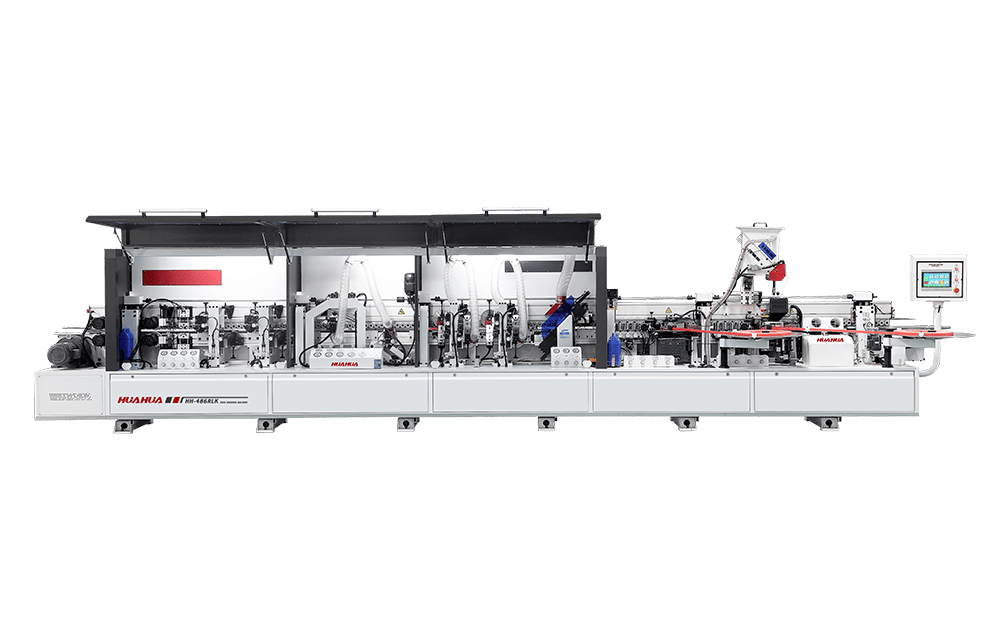
You want predictable output, less rework, and machines that keep pace with a growing order book. Begin by matching your floor capacity to what the machine actually delivers: cycle time under load, consistent glue application, and simple changeovers. Look at an automatic edge banding machine as more than a box — it’s a production partner. Decide whether you need continuous-feed speed or flexible batch runs; that choice changes the rest of your checklist.

Key features that matter to operators
Servo drive control is a real, tangible improvement: smoother starts, repeatable indexing, and less mechanical wear. Prioritize a robust glue unit with temperature stability, an accessible trimming stack, and intuitive HMI so operators make fewer errors. Ask for demonstrable uptime figures and the maintenance cadence — if replacing belts or calibrating cutters takes a full shift regularly, you’re losing capacity. Pick machines where spare parts and consumables are easy to source locally.
What users typically get wrong
They equate higher speed with higher throughput. Without matching feeder, sanding, and stacking processes, the edge bander sits idle in the line. They underestimate small things: inconsistent panel sizes, edge-roll differences, or operator ergonomics that slow loading. They skip straightforward checks — glue viscosity and ambient humidity — and blame the machine. Solve the shop process first, then the machine becomes the multiplier.
Alternatives and trade-offs
If you need volume and little variety, continuous automatic machines with heavy-duty servo systems are the right call. If variety and quick changeovers matter, modular systems with quick-change trimming heads and programmable feeders win. Sometimes a slightly slower, more flexible unit reduces rejects and saves labor. Outsourcing occasional high-volume runs remains an option when capital ties up too much cash — compare margins before you buy.

Real-world perspective
I’ve spent time on European shop floors and seen the difference a well-chosen supplier makes; at major shows like Salone del Mobile, vendors demo real cycle sequences and answer technician questions on the spot. That hands-on exchange is where you confirm claims against reality, and where a reliable edge bander supplier proves they support your uptime beyond the sale.
Sensible next steps
Run a simple trial with your most common panel and your hardest panel. Measure yield, setup time, and total operator minutes per run. Compare those numbers across two machine types before committing. Train one lead operator thoroughly — a confident operator exposes true machine capability. When you choose equipment, look for clear service pathways and parts availability close to your facility.
Conclusion
Scaling production is a matter of matching the machine to the process, not forcing the process to match the machine. Choose servo-driven, well-supported systems when consistent throughput and low downtime matter; choose modular flexibility when variety rules. The practical result you want — steady output, fewer rejects, less firefighting — is the outcome of those choices, and it’s what makes collaboration with a thoughtful partner like HUAHUA CNC feel like part of the plan rather than a last-minute fix.