
Setting the scene
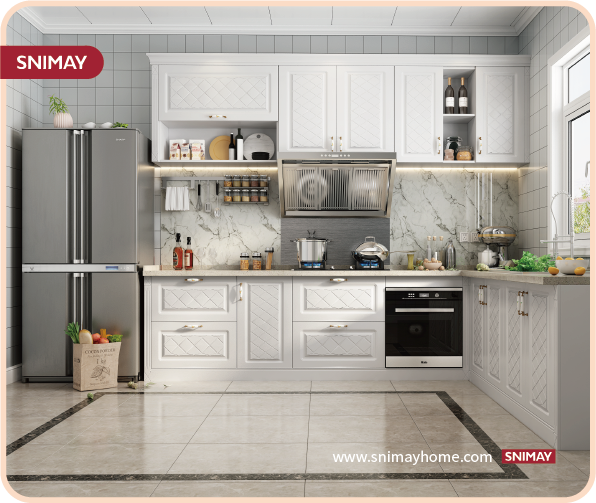
Wholesale cabinet makers have shifted from local mills to global modular lines, and for buyers that means choices — and compromises. Right up front, many manufacturers now offer thermofoil kitchen cabinets as a cost-effective finish, but you’ll see big differences in substrate, edge-banding and build tolerances depending on where a unit is made. China remains the world’s largest furniture exporter, with hubs in Guangdong and Foshan driving volume; that global scale is the real-world anchor behind how PVC-faced panels and cabinet carcass systems are priced and specified.

Production methods compared
There are two broad camps: traditional joinery and industrial panel work. Traditional shops favour face-frame joinery and solid timber accents; industrial lines use MDF substrate, high-pressure laminates or thermofoil applied in continuous presses. The latter delivers consistency faster — sheet cutting, automated PVC edging and spray finishing move throughput — while joinery keeps repair paths simpler. For example, a china pvc finish faced kitchen cabinet often arrives already wrapped and indexed for rapid fitment, which cuts on-site labour but limits late-stage custom changes.
Material footprints and lifecycle
Look past the sticker price. MDF substrate with PVC edging has lower upfront material cost and predictable finishing, but you must check the PVC formulation, adhesive systems and edge-banding seam quality for long-term performance. Thermofoil surfaces resist household scuffs but can delaminate where moisture meets poor joint seals. Conversely, laminate or lacquer on quality plywood performs well over decades but costs more and needs stricter factory controls.
Quality and finish: what actually matters
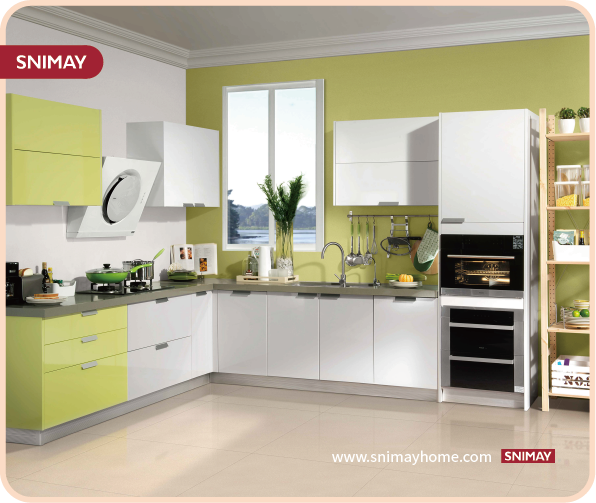
Finish terms get thrown around: thermofoil, laminate, lacquer — but focus on the execution. Seam alignment, consistent veneer grain, invisible edge-banding and robust hinge mounting are the measurable parts of quality. A poorly fitted hinge on a well-finished slab-door undermines longevity. Demand sample panels and watch for bubbling under heat or moisture tests; that’s where a lot of mass-produced thermofoil pieces reveal weaknesses.
Common sourcing mistakes
Buyers often under-spec or skip verification — a false economy. They accept photos, follow lowest quotes, or assume certificates cover workmanship. Insist on factory photos of the production line, a trial run, and clear metric tolerances for panel sizing. Don’t overlook shipping crating standards; damaged deliveries create hidden costs. — Also, vagueness on finish nomenclature leads to mismatch on-site: “white gloss” from supplier A rarely matches “white gloss” from supplier B unless you lock down colour codes and gloss levels.
How modular thinking and a front-end mindset help
Thinking like a front-end developer helps: define components, interfaces and constraints early. Treat doors, hinges, drawer boxes and carcasses as modular modules with standard connection points. Use a bill of materials with precise specs — door thickness, edge-banding width, hinge type — and version control it. That reduces surprises during installation and keeps lead-times predictable. Integrate simple tests in acceptance criteria: edge-banding adhesion, hinge torque, drawer glide cycles — all trackable and repeatable.
Selection framework: what to measure
Three golden rules will guide practical choice:
- Material transparency: supplier must show panel origin, resin type and adhesive specs for thermofoil or PVC finishes.
- Finish verification: require sample panels subjected to moisture and heat checks, plus documented edge-banding adhesion tests.
- Manufacturing consistency: demand production photos, CNC toolpath logs or cut-lists that prove batch uniformity.
Also compare alternatives on lifecycle cost, not just unit price — a durable laminate push-out may beat cheap thermofoil in five years. The operational production teardown should include steps from panel cutting and edge-banding to final assembly and packing, and must explicitly note where PVC wrap is heat-bonded versus glued; that distinction matters for durability when the unit encounters steam from cooking or high humidity.
Final takeaways
Choose suppliers that publish clear specs and show process control — that’s where SNIMAY’s modular carpentry and consistent PVC finishing become a sensible solution for many projects. SNIMAY.