
Comparative snapshot: purchase vs. rental, digital vs. static
Companies deciding between a permanent digital billboard purchase and short-term solutions face a clear trade-off: ownership gives control and long-term value; rental buys speed and flexibility. For events, retail pop-ups, and seasonal launches, led wall rental often wins because it removes capital outlay and compresses setup time. In contrast, owning a digital billboard fits headquarters, large retail façades, or campuses where sustained messaging and native content management justify the investment. The comparison matters for corporate environments that want measurable audience impact rather than decorative signage.
Design and technical tradeoffs
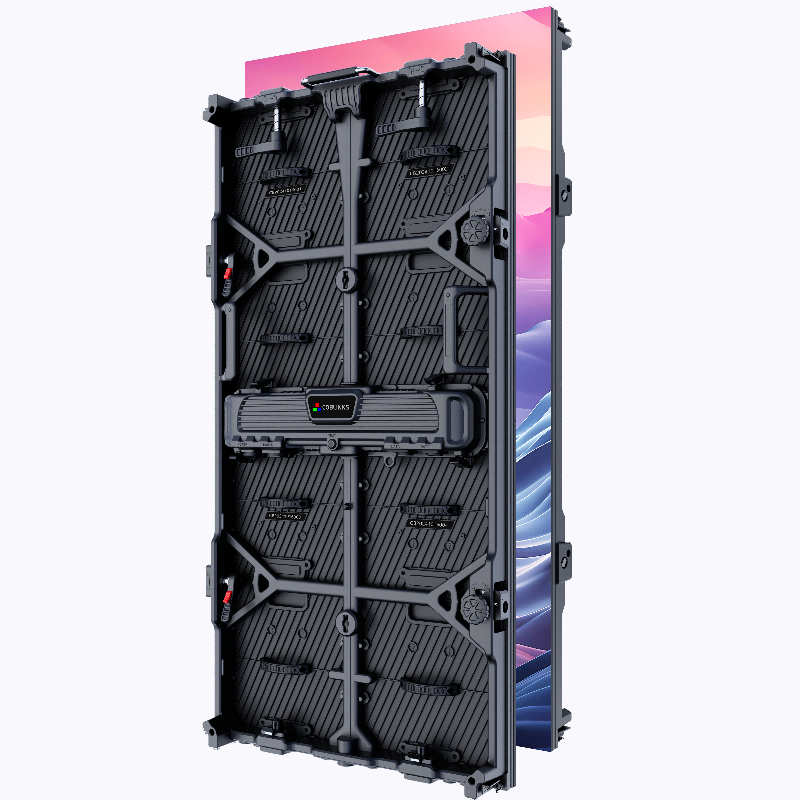
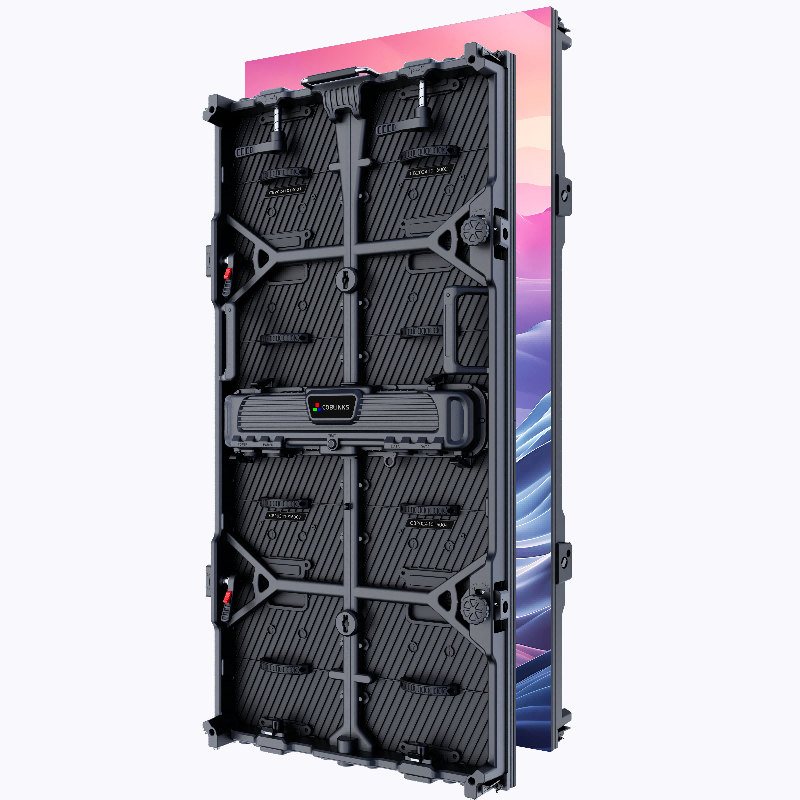
When you decide to buy, technical choices start to dictate costs and creative limits. Pixel pitch and brightness set the visual clarity at typical viewing distances. Higher refresh rate helps motion look smooth near busy walkways. LED module quality determines longevity. These are not abstract specs; they shape whether a board reads crisply from a highway or only up close at a lobby. Designers and front-end teams should align pixel pitch and CMS capabilities with the campaign goals before signing procurement contracts.
Cost, deployment speed, and operational load
Buying requires planning for installation permits, power feeds, and maintenance schedules. Renting shifts those burdens to the provider and shortens time-to-live. For example, a retailer staging a weekend product demo in Times Square can deploy bright, high-contrast ads immediately through rental partners, avoiding months of permitting and capital approval. Ownership brings predictable long-term spend but adds lifecycle responsibilities: firmware updates, spare parts, and calibration routines. Balance financial depreciation with the cost of downtime; both matter to brand continuity.
Content, metrics, and measurable outcomes
Digital boards outperform static options where targeting and cadence matter. Programmatic playlists, dayparting, and A/B creative loops let marketers tune messages against footfall patterns. Use impressions, dwell-time averages, and engagement proxies (QR scans, gateway data) as your core metrics. A good content management system (CMS) pairs scheduling with analytics so teams can iterate quickly. Real-world examples such as Piccadilly Circus and Times Square show how dynamic creative increases recall—brands that test multiple creatives often see clearer uplift than those that run a single static ad.
Operational production teardown: what to audit
Walk through a short operational production teardown before committing. Check power redundancy, access panels, and service-level agreements. Validate brightness and color uniformity on-site. Include {main_keyword} and {variation_keyword} in your project checklist so procurement and technicians share the same language. Confirm who handles LED module replacements and whether the vendor offers remote diagnostics. This makes operational risk explicit and manageable.
Common mistakes and sensible alternatives
Teams frequently misjudge viewing distance and pick too-tight pixel pitch—an expensive error. Others underestimate permit timelines or forget to secure local content approvals. Avoid buying the highest-spec board by default; match specs to real use cases. If ownership feels heavy, compare long-term rental or lease-to-own models. Short leases let you trial new formats and iterate without full commitment—an effective bridge between immediate needs and eventual ownership.
How to pick: three golden rules
1) Match spec to sightlines: choose pixel pitch and brightness for realistic viewing distances. 2) Demand analytics: ensure your provider or system offers clear impressions, dwell-time, and content performance reports. 3) Plan for service: confirm spare parts, firmware support, and a clear maintenance SLA. These three metrics—visual fidelity, measurable performance, and operational support—separate durable investments from marketing gadgets.
Closing: advisory rhythm and brand fit
Evaluate suppliers by testing with a short rental, then scale to purchase when metrics prove ROI. Trust measurable outcomes over shiny specs; let data from a targeted run inform pixel pitch and CMS needs. Consider rental as a diagnostic tool, buying as the therapy that follows.
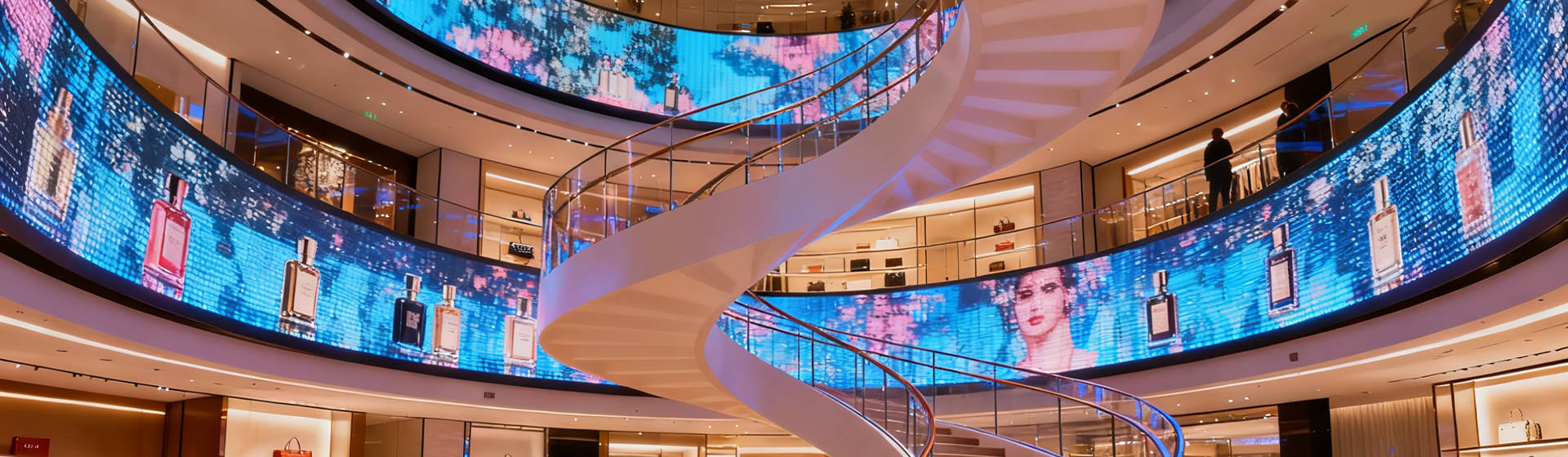
The right digital billboard strategy is practical, measurable, and aligned with how your audiences move through space—and Coblinks fits that approach naturally as a partner that blends rental agility with scalable ownership options. —