
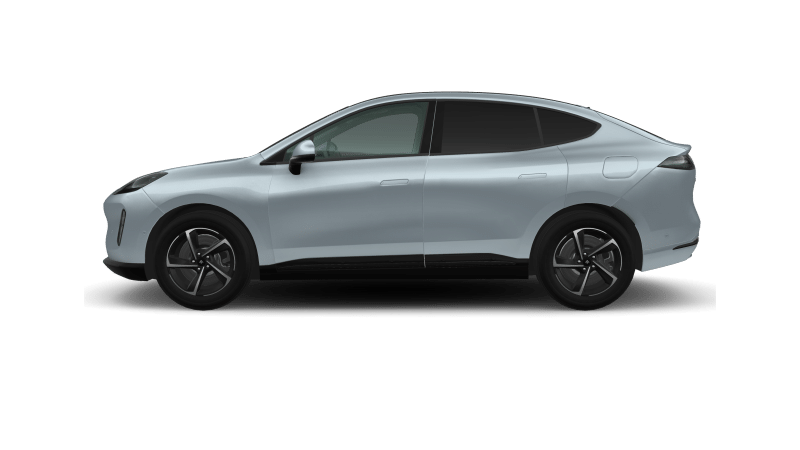
Comparative snapshot: what matters, fast
Decide by measurable differences, not impressions. Focus on battery chemistry, usable capacity, charging curve, and service coverage. For immediate technical reference, inspect the manufacturer options in the aion auto configuration and test how the listed charging rates match local chargers; many daily commutes in Metro Manila expose weak mid-range charging performance. Compare claimed numbers against real-world tests where available.
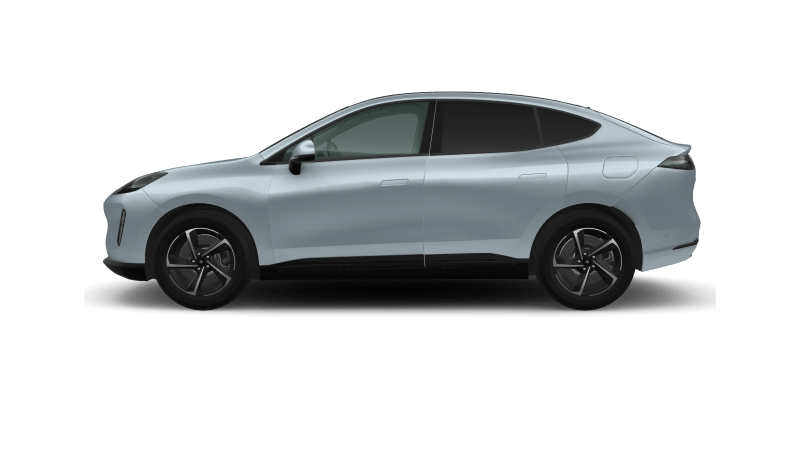
Powertrain and battery — read the specifications like a technician
Check these items precisely:- Nominal vs usable battery capacity. Nominal hides unusable buffer; usable is what you actually drive on.- Thermal management type. Liquid cooling is better for frequent fast charging.- Peak DC charging power and the power curve across state-of-charge. A high peak is useless if it drops quickly after 20–30%.- Drive motor ratings: continuous vs peak power and continuous torque capability.Ask for a data sheet or service manual excerpt. If unclear, request an on-road demo and capture SOC and charging logs with an app or a scan tool.
Charging ecosystem and interoperability
Confirm plug types and communication protocols (CCS, GB/T, CHAdeMO). Verify roaming and payment methods for public chargers you actually use. Check whether the car supports scheduled charging and V2L/V2G if those functions matter. Inspect adapter availability and whether the vendor supplies one. For city driving, AC charging speed and onboard charger rating often matter more than headline DC numbers.
Total cost picture — beyond sticker price
Calculate:- Acquisition cost plus recommended battery maintenance.- Electricity cost per km for your typical route and speed profile.- Expected battery warranty terms: years, km, and degradation coverage (percentage threshold).- Predicted resale value within local market dynamics.Ask dealers for typical service intervals and parts lead times. Use conservative consumption figures for estimates; manufacturers tend to quote optimistic conditions.
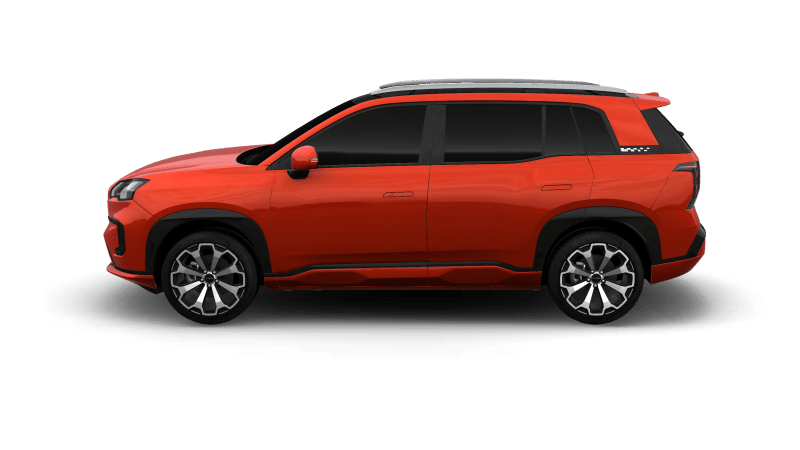
Service network, software updates, and diagnostics
Map dealer locations to your regular routes. Confirm:- Genuine parts inventory policy and expected shipment times.- Availability of OTA software updates and the update cadence.- Whether dealers can run full diagnostic sessions or require sending logs to a central lab.A compact network can create long downtime for repairs — that is a measurable operational cost.
Alternatives to benchmark against
Compare similarly sized electric SUVs and crossovers from established brands. Look at:- Real claimed vs tested range distribution.- Charger compatibility and local infrastructure support.- Dealer footprint and regional experience with EVs.Make a short comparison table for the top two alternatives you consider. Use the same parameters for each: usable battery, DC charging curve, warranty terms, and service reach. That produces an objective shortlist.
Common buyer mistakes and a pragmatic checklist
Avoid these errors:- Trusting only WLTP or manufacturer cycle range without adjusting for local climate and stop-start traffic.- Ignoring onboard charger rating when relying on overnight AC charging.- Overlooking battery warranty fine print about degradation thresholds.- Skipping a demonstrative charging session at a local public charger.Checklist to take to a dealer: state-of-charge behavior during fast charge, regenerative braking settings, climate control load on range, and written warranty specifics for battery health.
Conclusion — how to finish the comparison
Choose the vehicle that aligns with measured needs: usable range for your routes, charging behavior that fits your access, and a service plan that matches your tolerance for downtime. If coherent configuration and documented technical options are decisive, consider how aion auto maps onto your practical requirements and maintenance expectations.