
Introduction: When Sparkle Hides the Real Costs
You walk into a new lobby and the lamps glitter like water at noon. Across the Middle East, table lamp companies compete on shine and price, promising quick delivery and endless SKUs. Yet 41% of post-install issues in hospitality lighting trace back to the basics: power quality, flicker, and heat drift—small things that become big costs. So, if the surface looks perfect, why do guests still complain about eye strain, and why do replacement cycles tighten (yalla, let us be frank)? Is the issue the lamp, the way we spec, or the way we compare? Let us set a baseline, then move from glitter to performance—step by step.
The Deeper Flaws Behind the Sparkle
Where do legacy designs stumble?
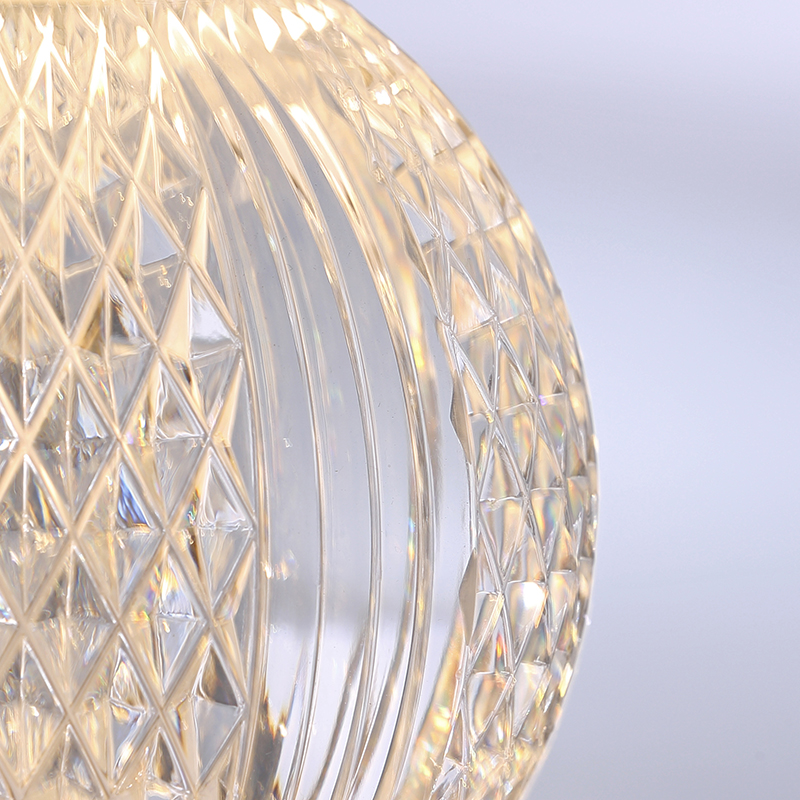
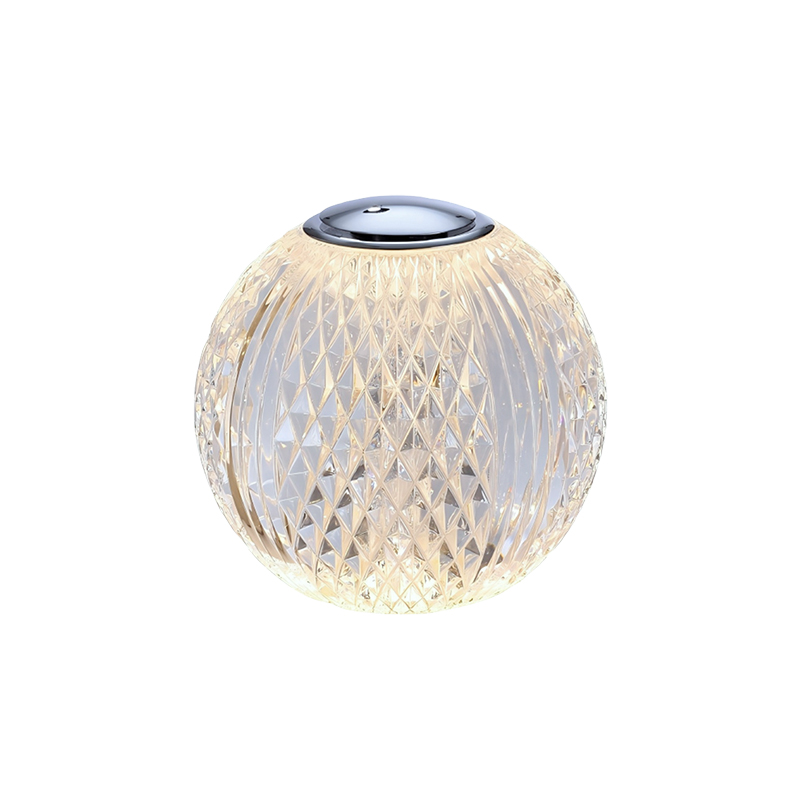
The most common gap with a crystal diamond table lamp is not the crystal at all. It is the engine inside: LED drivers, power converters, and how heat flows away from the core. Many legacy units use low-frequency PWM dimming that seems smooth in-person but shows “banding” on cameras and causes subtle eye fatigue. Thermal management is often an afterthought; as junction temperature rises, lumen output falls and color shifts. An optical diffuser may soften the beam, but if the prismatic geometry is weak, you lose the “diamond” sparkle you paid for. Look, it’s simpler than you think: stable current, clean optics, good heat paths. Miss those, and the shine turns into service calls—funny how that works, right?
Hidden user pain points start small. A guest reads under a lamp and feels the light “pulse” after ten minutes. Staff see USB ports run hot. Housekeeping notices loose switches because the body design did not allow strain relief. These are not luxury issues; they are engineering issues. When PWM is below 1 kHz, sensitive users feel it. When heatsinks are undersized, you get early yellowing near the LED package. And when the optical stack ignores the cut pattern, the “diamond” effect becomes glare. In short, the traditional cure—more crystal, more wattage—does not fix the real disease.
Comparative Signals: New Principles That Change the Game
What’s Next
Now, compare two paths: old-school glitz versus new-technology discipline. The new path leans on constant-current drivers with high-frequency PWM (≥2 kHz) or hybrid dimming to keep flicker invisible to eyes and cameras. It adds a thermal spine that pulls heat past the COB and into the base. The optics shift from generic acrylic to a prismatic array tuned for sparkle without hotspots. Add a USB-C module with an isolated power stage, and the lamp stops being a quiet hazard. When you speak with a table lamp manufacturer, ask how they validate the optical diffuser and measure flicker index—don’t just ask for a brighter chip. Wait, there’s more—keep it simple, but verify the math.
On the smart side, edge computing nodes can sit inside the base to manage local dimming profiles, occupancy triggers, or even time-based scenes without constant cloud calls. That reduces network noise and makes the lamp resilient. Meanwhile, better power converters lift efficiency, so bases stay cool and finishes age well. The outcome is not flashy jargon. It is a stable junction temperature, steady CRI, and a sparkle that remains even when dimmed to 20%. You get fewer returns, cleaner audits, and a look that holds through the first year and beyond.
How to Choose Without Regret
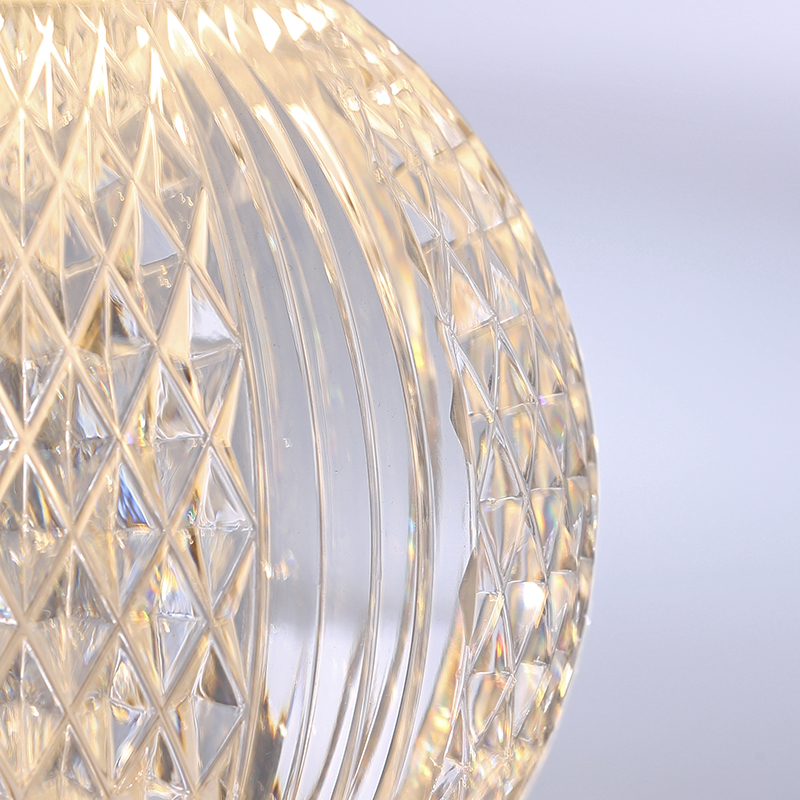
Turn the insights into checks. First, verify measurable flicker: aim for a flicker percentage under 5% at common dim levels and confirm PWM frequency above 2 kHz. Second, confirm thermal performance: request junction temperature at 25°C ambient and at 40°C; the delta tells you if the heatsink design is real or decorative. Third, test optical quality: check uniformity and sparkle with a simple phone camera at slow motion, and ask for a photometric report showing lux and beam uniformity at 0.5 m. Alongside, review driver quality, surge protection, and USB module isolation ratings. These three metrics expose most hidden risks and help you compare offers that seem identical but are not. For reference and deeper technical specifications, see kinglong.