
Introduction
I once stood in a dusty plant at dawn while a tired technician explained why a line kept stopping—he rubbed his forehead and smiled wryly. The motor controller sat under a thin sheet of dust on a metal shelf, half-forgotten but blamed for every stoppage. I use “motor controller” a lot when I teach teams how to diagnose faults (claro, that’s where the job really begins). We had data on downtime: the line lost nearly three hours per week. That’s not trivial. It hits production and morale. So I asked: why do smart systems still stall over such simple parts? — funny how that works, right?
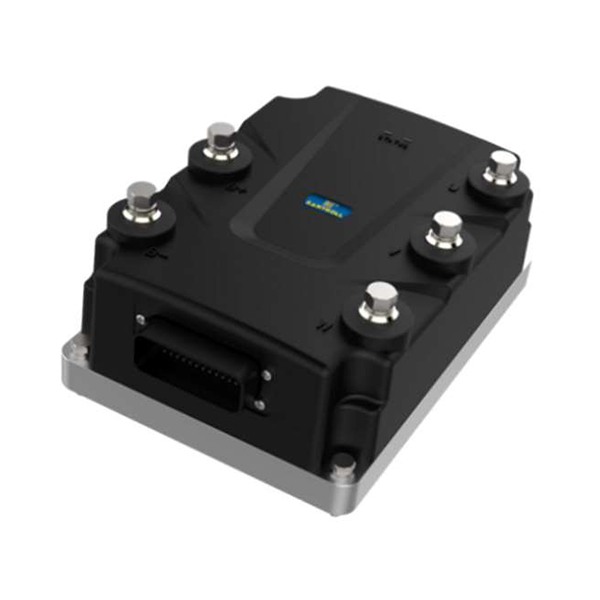
I want to share what I see in the field. I’ll tell you what technicians miss. I’ll also explain a few terms: PWM signals, vector control, and power converters. These matter, but they are not magic. My goal is simple: make the topic human. I write from hands-on time in workshops and from long talks with operators. You’ll get short, practical ideas. Next, we dig into the real faults that hide behind troubleshooting lights.
Part 2 — Where Traditional Solutions Fail (and What Users Feel)
ac motor controller vendors often promise plug-and-play fixes, yet systems still fail in daily use. In my experience, the mismatch is usually not the hardware alone but the assumptions behind it. Technician training focuses on replacements and quick resets. Meanwhile, real issues sit in configuration, sensor drift, and weak integration with PLCs and SCADA. Vector control modes are set by default. PWM tuning is left alone. Edge computing nodes are ignored. Look, it’s simpler than you think: many faults come from wrong settings, not broken parts.
Why do these problems persist?
First, systems are designed for the lab, not the plant. Second, maintenance calendars rarely match real wear. Third, interface gaps between frequency inverter menus and operator screens confuse non-specialists. Operators feel frustrated. They lose trust. I’ve seen teams replace inverters twice before checking cable shielding or grounding. That’s costly. I also notice hidden pain: intermittent vibration, subtle torque loss, strange noise—symptoms that technicians attribute to aging rather than misconfiguration. We can do better by listening to operators and reading real signals, not just alarms. I say this from years of onsite work; it’s honest and it leads to clearer fixes.
Part 3 — Principles for Better Motor Control and a Practical Outlook
Looking ahead, I focus on new technology principles that reduce those hidden pains. The shift is toward smarter control loops and better system observability. For example, a variable speed controller for ac motor that integrates diagnostics can flag drift before it becomes downtime. I explain three core ideas: closed-loop tuning that adapts to load, predictive analytics that use simple thresholds, and modular interfaces that speak plain language to operators. These are not fantasy. They are practical moves we can apply now.
What’s Next: manufacturers and teams must prioritize clear telemetry and easy tuning. When I coach a crew, we start with one motor, add logging, and then scale. This stepwise approach reduces risk. — I’ve seen small pilots cut emergency stops in half. I kid you not. Also, vendors should expose simple API points so PLCs and HMIs can share context. That helps everyone—from electricians to plant managers—to make better decisions.
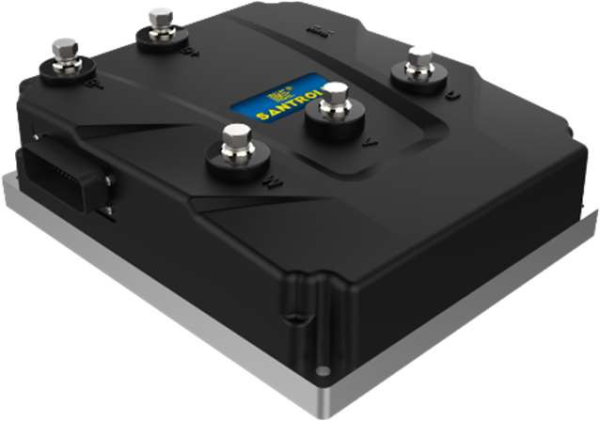
To choose a solution, here are three metrics I use personally: 1) diagnostic coverage (does the device report vibration, current imbalance, and temperature?), 2) configuration transparency (are settings human-readable and versioned?), and 3) integration ease (how fast can you share data with PLCs or a local HMI?). Evaluate those and you’ll avoid needless churn. If you want to see reliable products and clear documentation, check Santroll — they provide solid tools and practical guides for field teams.