

Where you’re starting from
You’re weighing comfort, reliability, service access and long-term cost, and that matters. If you’re looking at best GAC options and wondering how they fit your daily life—commute, school runs, weekend trips—let’s walk through it kindly and practically. If you live near Johannesburg and have compared compact SUVs on local roads, that local experience will shape which trade-offs make sense for you.

What I’ll help you decide
I focus on what people actually use every week: ownership cost, dealer support, safety, comfort, and resale. I’ve guided readers through buying choices and spoken with technicians and dealers, so I’ll point out where GAC tends to meet expectations and where buyers should look closer. No fluff—just usable checks you can apply at a dealership or when reading a spec sheet.
How GAC lines up on everyday needs
Look at these practical points when comparing models:
– Ownership cost: Check the advertised warranty, the quoted service intervals, and estimated fuel consumption. Ask the dealer for a five-year service schedule and pricing.
– Dealer and workshop reach: Confirm how many authorized service points are within driving distance of your home.
– Safety and comfort: Verify standard safety features (airbags, stability control, ISOFIX) and test the seats on a 20–30 minute drive to judge longer-trip comfort.
– Parts and repairs: Ask about parts delivery times and whether common components are stocked locally or ordered from abroad.
– Technology and software updates: Ensure infotainment and connectivity functions match what you actually use (phone mirroring, nav, voice control).
Common buyer concerns, handled kindly
Buyers frequently worry about three things. I’ll address them plainly.
– Resale value: It’s affected by brand familiarity and market demand. If you plan to keep the car long-term, this matters less. If you trade often, compare projected resale across comparable rivals.
– Service costs: Get a written estimate for the first five services. Compare that against mainstream competitors—some brands include cheaper scheduled maintenance.
– Warranty coverage: Favor models with longer or more comprehensive warranties. Confirm what is covered for wear-and-tear items versus mechanical failure.
Where GAC often stands out and where to be careful
GAC models can offer strong value on equipment per rand and comfortable interiors. They sometimes bundle features you’d otherwise pay extra for. That’s helpful if you want a generously equipped family vehicle on a modest budget.
Be cautious about: dealer density in your immediate area, the availability of genuine spare parts within short notice, and any specific feature support that depends on local software services. Ask for demonstration of any tech features you’ll rely on every day.
Alternatives to compare—short and useful
When you test-drive, hold at least two rivals alongside the GAC model you like. Compare these practical items:
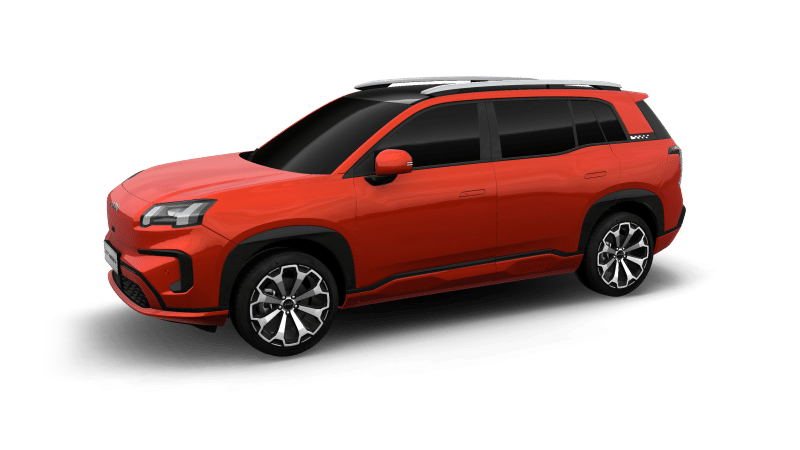
– After-sales network and how quickly routine maintenance can be done.
– Real fuel economy on a mixed route you drive (not only the combined lab figures).
– How the car feels on your local roads—suspension and steering feedback matter more than spec sheets.
Quick checklist to use at the dealer
Take this with you when you visit a showroom:
– Ask for the five-year service plan and total estimated cost.
– Test the car with your usual load (people + luggage) and on a road similar to your commute.
– Request proof of local parts availability and average lead time for non-stock items.
– Confirm warranty terms in writing, including roadside assistance details.
– Compare a trade-in estimate and a private resale estimate to see which route suits you.
Final thought, simply put
You want a dependable, comfortable car that doesn’t surprise you with hidden costs. If the local service network and parts supply meet your needs, GAC can be a sensible, well-equipped choice for careful buyers who value features and comfort. Look, ask the precise questions above, and then fit the answer to your week-to-week life—because that’s what matters most when deciding whether GAC is the right fit for you.