
Introduction
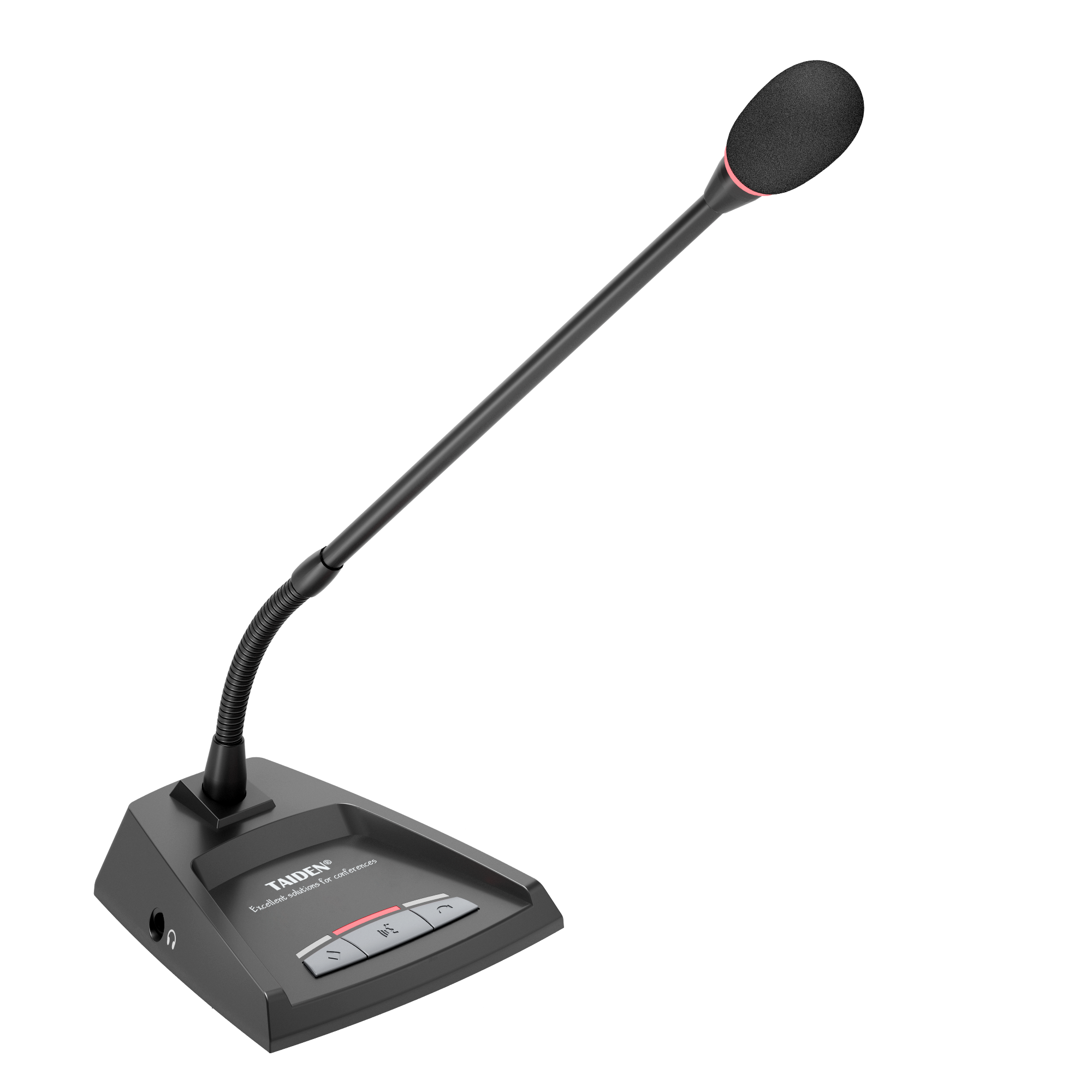
You arrive early to a high-stakes meeting, breathe in, and hope the air stays calm when people start talking. A conference room mic system waits on the table, small lights muted, yet you wonder if the voices will carry true. The numbers are not kind: teams report that a big slice of meeting time gets lost asking for repeats or “Can you unmute?” moments (we have all felt it). And when audio fragments, trust does too—remote teams feel farther, decisions stall, and the room feels noisy even when it is quiet. So here is a simple ask, and a big one: can you get natural, crisp speech without piles of wires, raised voices, or the awkward pause? Can you have clarity with less gear and more grace? The answer sits in how we design the path of sound, not only in the mics we buy but in how they work together as a whole. Let’s start with what usually gets missed.
The Layer Beneath: Hidden Pain Points of the Discussion Device
What keeps meetings from sounding clear?
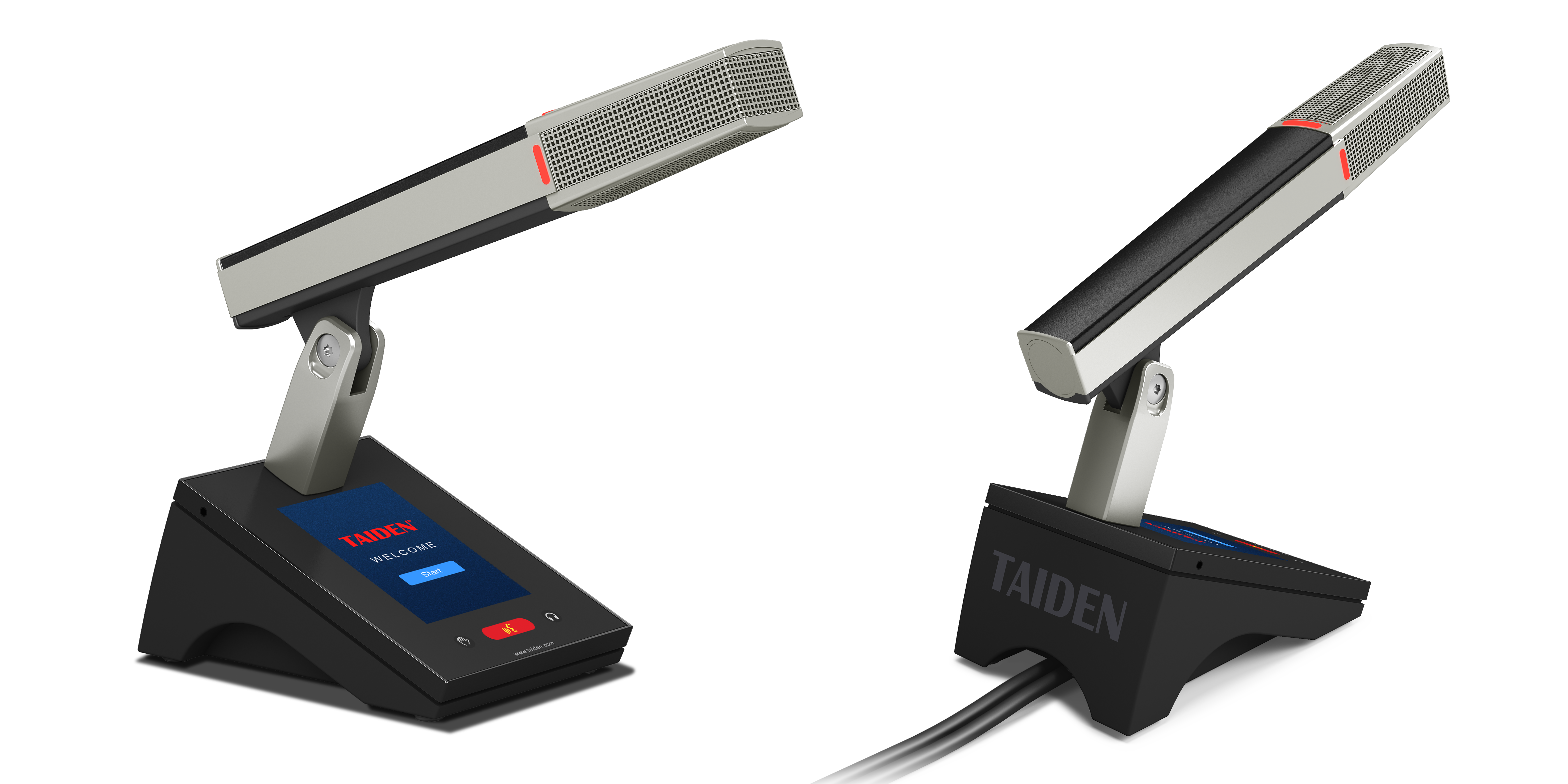
A discussion device does more than light up a nameplate or pass the right to speak; it shapes the flow of speech across a network. Yet many rooms still suffer from quiet voices, clipped starts, and fatigue. The culprits are often invisible: poor gain structure, late acoustic echo cancellation (AEC), or a mismatch between beamforming and seating geometry. Add in jitter buffers that are set too high, Wi‑Fi contention without QoS, and you get lag that people feel but cannot name. Even power matters—noisy power converters feeding PoE inject a faint hiss that mutes nuance. These are not dramatic failures. They are micro-frictions that pile up until someone says, “Let’s take this offline.”
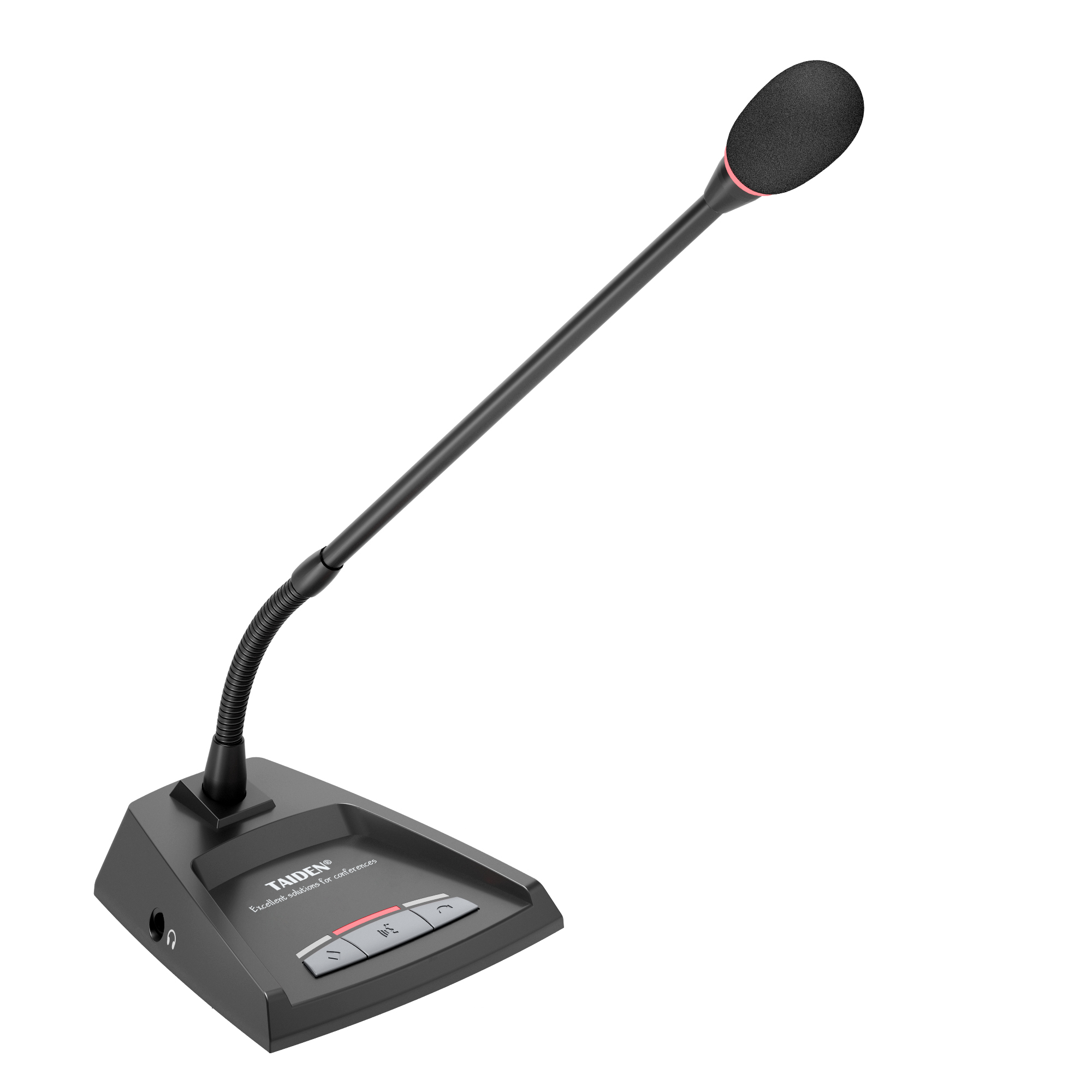
Look, it’s simpler than you think. Treat the chain as a system, not a pile of devices. Prioritize low‑latency DSP through the whole path, set AEC before auto-mix, and align beamforming lobes to real seating maps, not floor plan drawings. Reserve network lanes with Dante or VLANs so speech packets never fight for air. Calibrate talker levels to a narrow window, then let the automixer enforce it, fast. Use RF shielding where handhelds meet screens. When a discussion device is tuned this way, people speak softer, interruptions drop, and the meeting regains flow—no big show, just better work.
Comparative Insight: From Old Wiring Tricks to New Audio Principles
What’s Next
Old rooms leaned on big mixers, long analog runs, and a trained tech on call. They worked, until they didn’t. New rooms flip the script: put intelligence at the edge with microprocessors inside each mic, then keep the path clean. Think edge computing nodes inside table units, doing beamforming, AEC, and auto-mix locally, then sending a tidy stream upstream. A modern microphone manufacturer will pair this with network audio (Dante or AES67), QoS rules, and smart jitter buffers so speech stays locked to lips. Power over Ethernet helps, but only when clean power converters keep noise down. Compare the two: the old way fixes problems after they show; the new way avoids them by design—funny how that works, right?
Here is the principle view, and it is practical. Short signal paths beat long ones. Low‑latency DSP (<20 ms end to end) preserves timing cues that your brain uses to parse words. Adaptive beamforming narrows the pickup zone as the room gets louder, which keeps speech-to-noise ratio high. Auto-mixers that look at talker intent (gate speed plus priority logic) reduce crosstalk without the “pumping” sound. Network lanes marked with QoS ensure speech frames outrun screen‑share data. And when issues do arise, logs from edge devices show where—at the mic, the switch, or the codec—so fixes are fast. To choose well, use three simple metrics: 1) intelligibility with STI ≥ 0.6 in your actual room, 2) end-to-end latency under 20 ms with video on, and 3) stable SNR ≥ 60 dB across seats, not just at the head of the table. That checklist turns guesswork into progress, and progress into calm. If you keep those measures close—and revisit them after layout changes—you build a room that sounds like people, not gear. In the end, tools serve the conversation, not the other way around. Start there, and refine with care, one meeting at a time. TAIDEN