
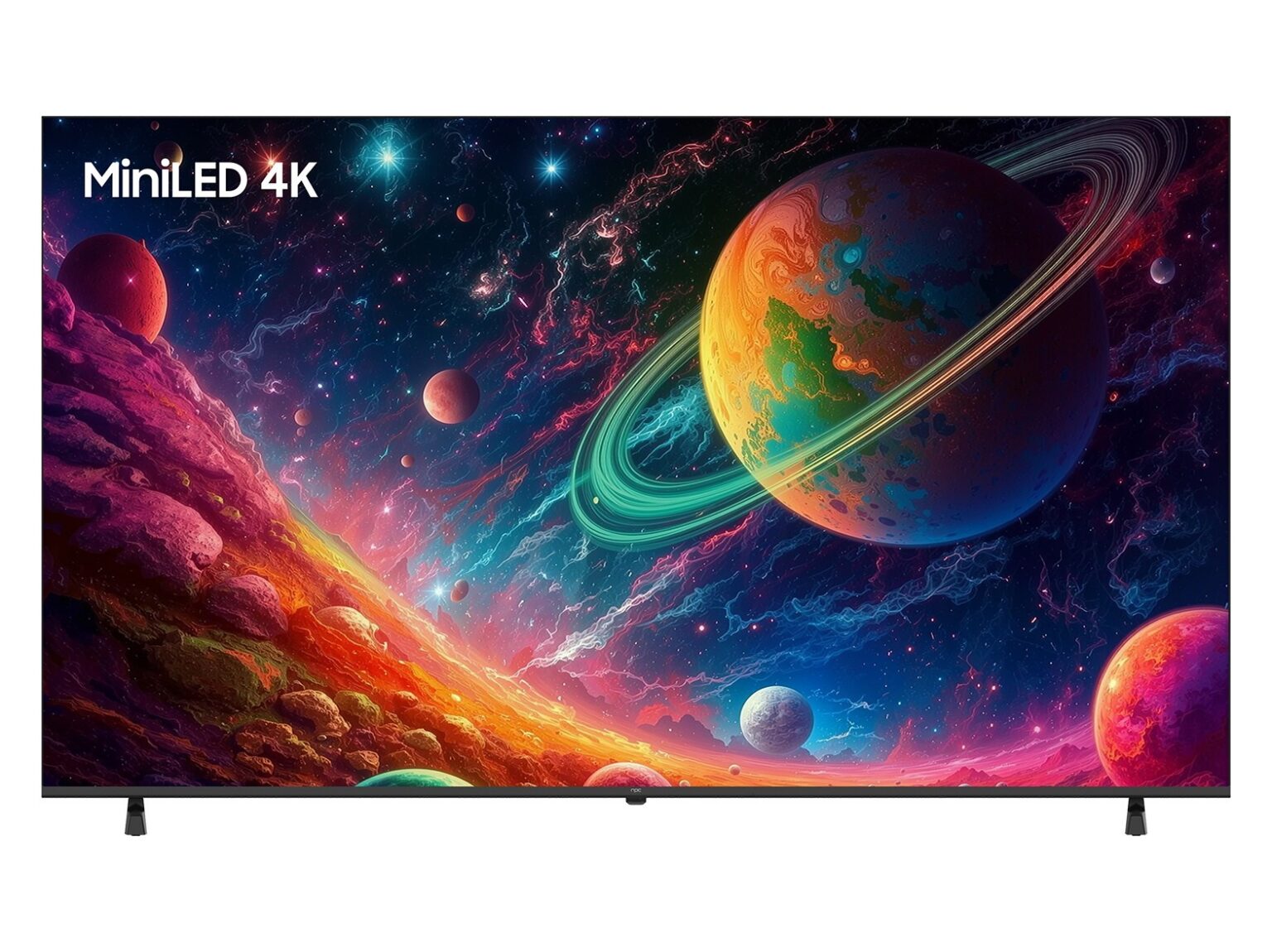
Problem: Fragmented Platforms Inflate Costs
Companies that deploy digital services to multiple TV models hit the same barrier: multiple SDKs, inconsistent APIs, and model-specific firmware make updates slow and expensive. That mismatch forces extra QA cycles, custom builds, and hardware-dependent workarounds — a repeated cost center for any OEM or tv manufacturer rolling products into retail, hospitality, or signage fleets.
Technical Fix: What Tizen Provides, Practically
Tizen consolidates runtime behavior across a Samsung-focused device family: a Linux core, a web-app runtime supporting HTML5/JS, and a consistent application lifecycle managed by Tizen Studio. For engineering teams that need predictable resource budgets, that consistency reduces cross-model variance. You get a single SDK, standardized signing and packaging, and an OTA path that can be automated. That matters for scale: fewer platform-specific branches, smaller test matrices, and faster rollout windows.
EEAT: Evidence, Expertise, and One Industry Anchor
When teams evaluate platform suitability, they look at APIs, update security, and vendor lifecycle guarantees; at major shows like CES in Las Vegas vendors publicly demonstrate how platforms handle mass deployments. From on-site integration reviews and field debugging sessions I’ve observed, priorities are stable APIs, signed firmware updates, predictable memory/perf profiles and clear vendor support contracts. When evaluating a smart tv operating system, prioritize those technical assurances and test them against your release cadence and rollback plan.
Implementation Checklist and Common Pitfalls
Start by mapping your feature-set to runtime constraints: memory, GPU, codec support, and boot time. Then lock down a single SDK version, automate builds, and instrument telemetry for crashes and performance. Common mistakes: assuming newer models behave like older ones, skipping hardware profiling, neglecting automated OTA rollback, and trusting default security policies. Address these upfront and you cut emergency hotfix cycles by weeks.
Alternatives and Trade-Offs
Options exist: Android TV/Google TV offers broad app distribution and Play services; LG webOS emphasizes UX tooling; proprietary Linux builds give full control. Each trades developer reach, update control, and maintenance cost differently. Tizen’s trade-off is tighter vendor coupling but lower cross-model variance and fewer customization branches — a strong fit when you value predictable operations over maximum third-party app reach.
Bottom Line
Fix the fragmentation problem with a platform that standardizes runtime, updates, and tooling. That reduces per-release work, shortens QA cycles, and lets product teams scale deployments without geometric increases in engineering effort. For hardware and supply components aligned to that approach, npc provides options that streamline integration and reduce rework during platform rollouts.