
Begin with the job you need the tags to do
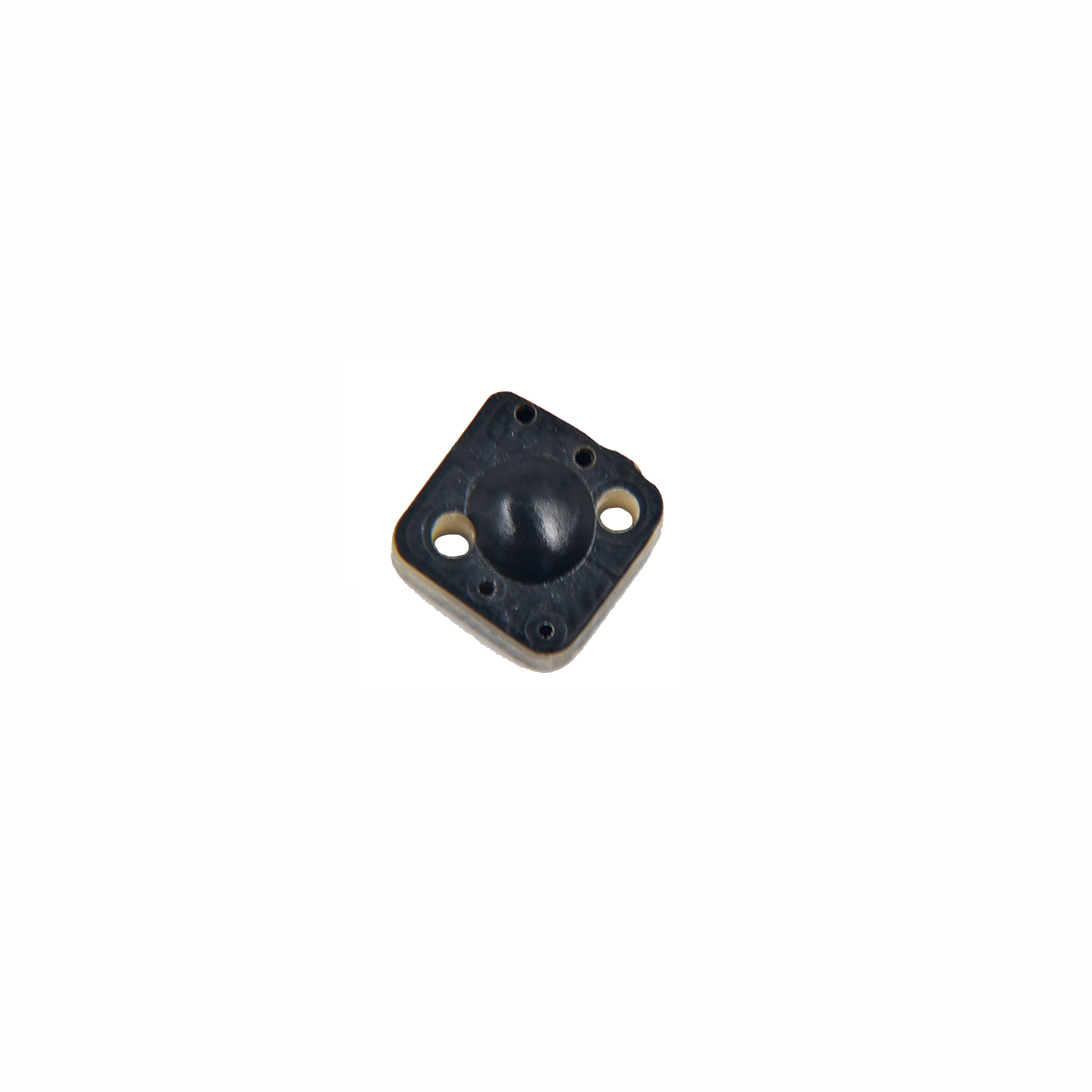
Start by describing the exact problem you want the tags to solve — tracking moving assets, monitoring temperature, or enabling location-based alerts — then match solutions, not buzzwords. If you want sample parts to inspect before a bulk buy, ask suppliers for physical samples of the class you’ll use and request documentation about read ranges and environmental ratings. Browse product types to frame your needs: RFID Tags can be simple inventory stickers or rugged battery-powered beacons; pick the class that aligns with the task, the environment, and the update cadence you require.

Essential supplier questions to keep the conversation useful
Ask these with specific targets in mind: What radio frequency and protocol do your tags use?; What is the guaranteed read range in my operating environment?; Do you provide on-site integration and testing or only remote support?; What is the expected battery life and replacement process for active tags?; Can you supply test reports showing performance through the materials and obstructions I have on site?; Who will own firmware and security updates?; What are lead times and minimum order quantities? Demand numbers, not marketing claims.
Technical checks that save time and money
Confirm frequency compatibility with local regulations and with any existing readers. Specify mounting surfaces during testing — metal, liquid, or insulated enclosures change behavior drastically. Ask for attenuation and backscatter numbers rather than generic “long range.” Validate tag antennas, enclosures, and IP rating for washdown or outdoor exposure. Require a proof-of-concept (PoC) run using your readers, fixed and handheld, and your software stack. If integration with an existing WMS or IoT platform is required, request sample data outputs and a simple API test prior to purchase.
Common pitfalls buyers make — and how to avoid them
Choosing tags by price alone leads to repeated failures. Don’t assume a single “universal” tag will work in all locations. Skipping a small PoC wastes large roll-out budgets. Overlooking battery replacement logistics or non-removable attachments becomes costly. Neglecting firmware update policies leaves you exposed to security flaws. Finally, not defining success criteria — detection rate, latency, or uptime — means you can’t measure vendor performance.
Alternatives you should evaluate briefly
Active RFID gives persistent broadcast and longer ranges, but passive tags are cheaper and simpler for many inventory tasks; Bluetooth Low Energy (BLE) beacons provide smartphone-friendly proximity; NFC works for short-range, user-triggered interactions. Frame the trade-offs by the use case: if continuous, real-time tracking and long range are mandatory, active tags are appropriate; for bulk inventory reads at docks, consider passive tags for cost-effectiveness.
EEAT: practical experience, standards, and a real-world anchor
Rely on measurable tests and proven procedures. From field projects I’ve overseen, a short lab-and-site test identifies 80% of problems before procurement. Look for supplier evidence of compliance with relevant frequency rules and recognized standards such as EPC Gen2 or ISO 18000 where applicable. Major retailers like Walmart have publicly driven adoption of passive rfid tags in their supplier networks, demonstrating clear commercial outcomes for the right technology choice; use that case to judge what scale and process maturity you need from a supplier rather than as a push toward one specific product family.
How to evaluate and compare vendor proposals
Score proposals against a checklist: technical fit (radio, range, power), PoC results in your environment, lifecycle support (battery, firmware, spare parts), integration and data formats, and contractual SLAs for delivery and defect resolution. Require a short acceptance test with clear pass/fail criteria before signing for production quantities. Factor total cost of ownership: tags, readers, integration labor, and maintenance over their expected life.
Final synthesis
Make buying decisions that start with measurable needs, validated tests, and clear success criteria. Ask suppliers for concrete numbers, site-proven samples, and a plan for updates and spares. Experienced integrators map those requirements to tested tag choices and deployment plans; teams like RSTC routinely turn clear requirements into practical deployments that avoid the common errors described above.